A flaw in the Switch 1 game SmileBASIC enables native code execution on Switch 2, though the tethered method currently has limited practical use.

A Switch 2 jailbreak has emerged, but its reliance on an older game and a software based process makes it a limited foothold for now. The finding matters because it shows how software made for an earlier console can create an entry point on newer hardware. That’s a security concern worth tracking, but it doesn’t mean owners suddenly have a practical route to run unapproved software or pirate games.
The distinction matters. A vulnerability can demonstrate meaningful control over part of a system while still being difficult to use, dependent on particular conditions, or limited to a narrow set of permissions. Here, the reported method reaches native code execution, but it depends on SmileBASIC running on Switch 2 and remains tethered. Those constraints put distance between a technical exploit and a repeatable consumer tool.
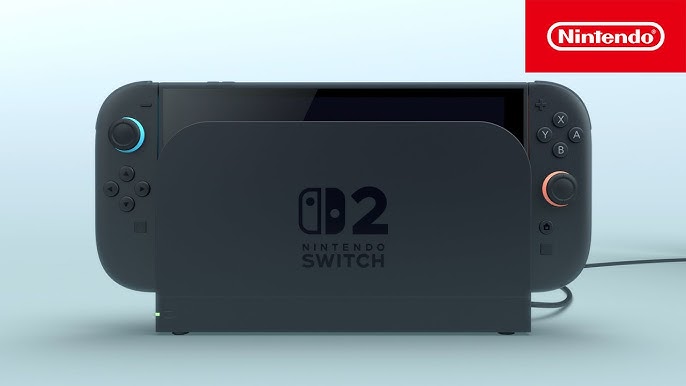
A legacy game provides the entry point
The exploit targets SmileBASIC, a Nintendo Switch 1 title that also runs on Switch 2. Developer Pepsipu found a flaw in the game’s BASIC interpreter, the component that processes programs written in the language. The bug grants arbitrary read and write access in userspace. In practical terms, that gives the exploit a way to inspect and alter data within the environment available to the game, though it doesn’t automatically grant unrestricted control over the entire console.
Pepsipu used that access to reach the Switch 2 filesystem sysmodule, dump its code and manipulate IPC handles. Those steps matter because console software is typically divided into protected components that communicate through defined interfaces. A weakness in one application can become more consequential when it helps an attacker interact with another system component. Still, the reported chain depends on several stages working together; the initial flaw alone isn’t the whole jailbreak.
The chain enabled a custom executable to run with native code execution under ordinary sysmodule permissions. That’s a concrete technical result, but the permission level sets a boundary: the report describes execution within the sysmodule’s ordinary authority, not unrestricted access to every protected part of the hardware. The distinction is easy to lose in the word “jailbreak,” which can suggest a complete break from platform controls even when a method has meaningful limits.
Unlike a browser based route, this one requires the legacy game to be running on the newer console. The jailbreak is also tethered and software only, which limits its usefulness to most owners. “Tethered” describes a setup that doesn’t provide the same persistent access after a restart, so the method’s practical value depends on more than whether the exploit can run once. A foothold with setup requirements is a research result; turning it into a dependable tool is a separate challenge.
An early sign, not a piracy wave
Nintendo doesn’t appear to face an immediate surge in piracy from this method. The comparison with the early Switch 1 era is still relevant: jailbreaks on that console helped fuel widespread piracy, and that history gives Nintendo a reason to pay attention to research on its successor. But the comparison has limits. The current report describes a tethered, software based chain tied to a specific legacy title, and doesn’t establish that it offers the same reach or ease of use as the earlier methods.
This is more significant than it looks as a compatibility lesson. When a new console runs software built for an older system, the older code and its assumptions become part of the newer system’s security picture. That doesn’t mean backward compatibility is inherently unsafe. It does mean that security work can’t stop at the new hardware’s own code: the software it accepts may also provide paths into protected components.
The source article points to AI assisted vulnerability research as a reason more exploits may surface. That’s a plausible area to watch, but the report doesn’t establish how much AI contributed to this discovery or predict how many usable vulnerabilities will follow. Finding a flaw is only one stage. Researchers still need to determine what the bug permits, build a working chain, and show that it can be repeated under real conditions.
Here’s the thing: a technically impressive demonstration and a risk to ordinary owners aren’t the same claim. If you’re working in this space, the useful question is what level of access the chain actually achieves and what conditions it requires (and this is the part most people overlook). For now, the report gives a clear answer on the entry point and some of the chain, while the tethered requirement keeps its everyday reach narrow. A foothold, with limits.
What the finding means for Switch 2
For Nintendo, the immediate implication is a reminder that security boundaries can be tested through software that remains compatible across console generations. The company’s response and any changes to the platform aren’t described in the source, so there’s no basis here to claim what will happen next. The public details instead point to a familiar pattern: researchers establish a route, and the practical significance depends on whether that route can be made easier to use or extended.
For owners, the current method doesn’t amount to a straightforward piracy tool. Its dependence on SmileBASIC, its software only nature and its tethered operation all constrain access. That said, constraints can change as research develops; the report offers no evidence that they already have. The sensible reading is neither alarm nor dismissal: this is an early technical foothold, and its future importance depends on whether someone finds a more practical path.
KitGuru Says: On the plus side for Nintendo, this Switch 2 jailbreak isn’t nearly as bad as what Sony is experiencing right now with the PS5…
The post Switch 2 jailbreak method discovered, but it has limitations first appeared on KitGuru.


Discussion
Sign in to join the discussion.