The first major Stalker 2 update since Archmajor 2.0 expands A-Life, adjusts combat and anomalies, and repairs quests and stability issues.

Stalker 2’s Zone Lookout update takes aim at problems that could disrupt both exploration and quest progress. GSC Game World calls it the game’s first major update since Archmajor 2.0, with changes spanning A-Life, combat, missions and performance. That range matters because problems in one system can spill into another: a mission bug may stop a player reaching an area, while unreliable NPC behaviour can make the world feel less reactive. The scale of the patch also means mod users may run into stability issues; GSC advises disabling mods if problems appear. For players returning after a break, the practical question is whether these fixes make a new trip through the Zone more predictable without dulling its rough edges.
A-Life reaches farther
The expanded A-Life system adds an option to increase how far away players can see NPCs. Updated binocular behaviour and longer audible ranges for gunfire support that change, giving encounters more room to register across the world. Together, those adjustments affect how players gather information before deciding where to go: distant movement and gunfire can signal activity without requiring a close encounter first. That can make exploration feel less like moving from one isolated fight to the next.
Squad leaders can now also arrange fast travel between hubs, offering a direct way to move around the Zone. It’s a convenience with a trade-off built into the design: less time spent retracing routes can mean more time for missions, but travel itself is also part of how a player encounters the world. The update doesn’t remove that tension; it gives players another way to manage it. If you’re working through a long quest chain, this could make returning to a hub feel less like busywork.
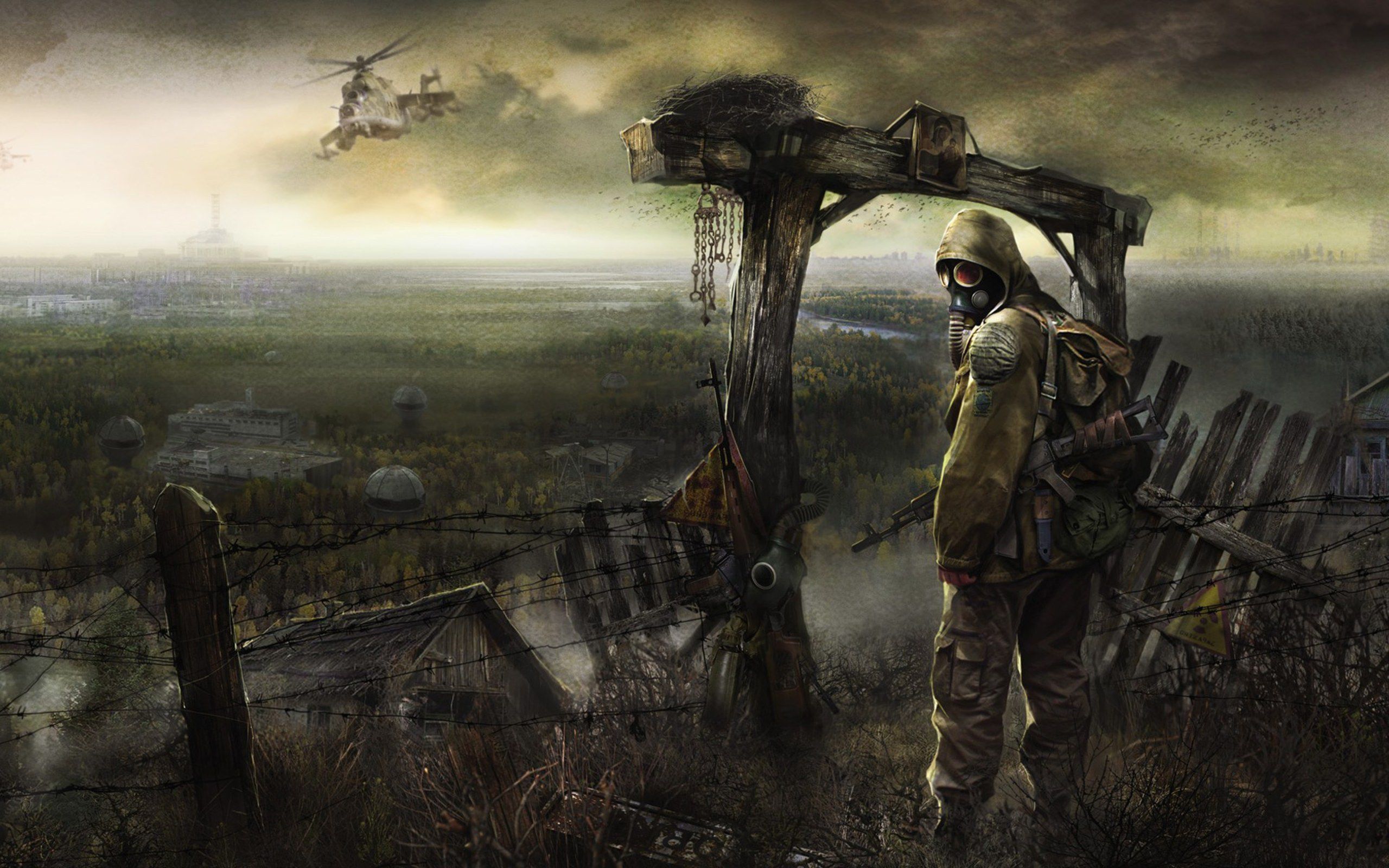
Anomalies get their own set of adjustments, including rendering and visual effects changes. The patch also corrects cases where bodies or scripted sequences interacted improperly with anomaly triggers. Those fixes matter beyond appearance: anomalies are hazards players need to read and navigate, so visual clarity and consistent interactions help make danger feel understandable. When bodies or sequences behave strangely around a trigger, the result can blur the line between intended threat and a technical fault. A clearer signal. That’s the sort of polish that can support tension without explaining every danger away.
Quest and world fixes
Several missions that could fail to begin now work, among them The Road to the Center of the Storm, Shadows of the Past, The Destructive Power of the Mind and Distant Mirage. A quest that won’t start is more than a small inconvenience: it can cut off the story’s next step and leave a player unsure whether to wait, backtrack or reload. Fixing those entry points helps protect the basic rhythm of play, where an objective leads naturally into the next encounter or location. The list also shows how a collection of individual scripting faults can affect the wider experience.
GSC has repaired cutscenes and scripted encounters that could leave NPCs visibly spawning, suspended in mid-air or in the wrong place. These moments can break immersion precisely because they occur during scenes designed to direct the player’s attention. A character appearing in an unexpected position may also make it harder to follow what the scene is trying to communicate. The underlying cause isn’t specified in the patch summary, so the fixes shouldn’t be read as evidence of one shared technical problem.
Level art and layouts have been adjusted in the X-16 and X-18 labs, Generators, Cooling Tower, CNPP and Malachite. The update also removes progression blockers involving fast travel, emissions, radiation fields and parkour exploits. That spread suggests attention to both the spaces players move through and the rules that govern access to them. A blocked route or a broken travel interaction can turn exploration into repetition, while a layout adjustment can change how a familiar location reads. The notes don’t describe every individual change, but they point to work across several distinct parts of the game.
Combat and stability
Combat changes address NPCs aiming incorrectly, ignoring melee attacks, getting trapped in campfires or tight cover, and failing to engage unless the player looks directly at them. Each problem weakens the same basic expectation: that enemies will react in ways players can read and respond to. If an opponent ignores a nearby attack or can’t leave cover, the encounter stops feeling like a contest of decisions. Correcting those behaviours should make fights more consistent, though the patch notes don’t claim that every encounter will now play out the same way.
The patch corrects excessive mutant and mercenary spawns, while expanded A-Life settings now come with increased NPC identification ranges. This is more significant than it looks: enemy counts and detection distances shape whether a journey feels tense or simply crowded. Changes to both can affect the pace of exploration as well as the challenge of a particular fight. And yet, players may have different preferences about how often the Zone turns hostile. The added settings give some control over visibility, while the spawn correction addresses a problem GSC identifies directly.
Performance and visual work covers hair, foliage, anomalies and lighting. GSC has also fixed memory leaks related to map markers, along with cases of NPCs and corpses appearing unexpectedly or falling through geometry. Memory leaks can affect stability over extended play, while rendering or lighting faults can make it harder to judge a scene; the notes don’t quantify the effect of these fixes. Other changes cover portable consoles, SteamOS DLC detection, GeForce NOW and cutscene behaviour. That list reaches beyond the core PC experience, though it doesn’t establish how much each platform or feature will benefit.
What the update changes for players
The full patch notes are available HERE. The update’s breadth suggests GSC is addressing the systems that make the Zone feel unpredictable as well as the bugs that can halt a playthrough. That’s a useful distinction: atmosphere depends on uncertainty, but players still need to trust that quests, enemies and hazards are responding as intended. A game can be hostile by design and still be legible.
For anyone considering a return, the strongest case is the combination of mission repairs and changes to A-Life, combat and anomalies. Those systems touch different parts of a playthrough, so improvements could be felt both on a routine journey and at a quest bottleneck. The limits are clear, too: the summary offers no before-and-after performance figures and doesn’t detail each fix. GSC’s advice to disable mods if stability problems appear is also relevant for players whose setups include them. Here’s the thing: the patch reads as a substantial repair pass, but its value will depend on how reliably those changes show up in play.
KitGuru Says: This is a sizeable update with meaningful improvements to A‑Life behaviour, anomalies and combat, alongside a huge number of mission fixes. Are you planning on jumping back into Stalker 2 following the new patch?
The post Stalker 2 Zone Lookout update brings hundreds of fixes first appeared on KitGuru.


Discussion
Sign in to join the discussion.