EA reportedly chose a potential Battlefront III over Mass Effect 5 as financial pressure mounted, leaving the future of its original sci-fi franchise uncertain.

EA’s reported decision to favor a new Star Wars Battlefront over Mass Effect 5 puts a familiar business calculation in sharp focus: a licensed franchise may look like a safer bet, even when the publisher already owns a science-fiction series with a devoted audience. The choice, described in Bloomberg reporting by Jason Schreier, came as EA faced financial pressure following its recent buyout. For a publisher under pressure to show that it can direct resources toward projects with commercial potential, the appeal of Star Wars is easy to understand. But familiarity and reach don’t guarantee a successful game, and the decision carries a cost beyond the cancellation of one release: it puts the future of an owned series on hold.
EA was weighing two projects at very different stages. Mass Effect 5 had reportedly advanced through pre-production, but remained years from release. That means it had some development work behind it, while its eventual audience and commercial prospects were still uncertain. A potential Battlefront III emerged as an opportunity through Lucasfilm. According to Schreier’s sources, executives chose to put resources behind Star Wars, a decision that preceded BioWare’s closure and the cancellation of the next Mass Effect. The sequence matters: a project’s cancellation can reflect a broader review of a studio’s future, not just a judgment about the game itself.
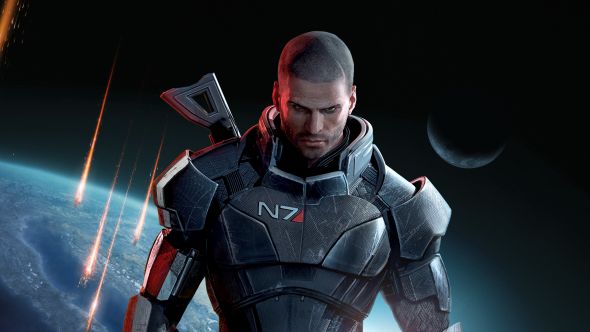
Why BioWare was vulnerable
The reported project choice came after a run of commercial disappointments. Mass Effect: Andromeda and Anthem fell short of expectations, and Dragon Age: The Veilguard missed EA’s sales targets. Each result would have made it harder for BioWare to argue that another large project deserved years of funding, particularly when Mass Effect 5 was still far from release. The record explains the pressure on the studio, though it doesn’t establish that the next Mass Effect would have repeated those outcomes.
By the time the studio closed, around 50 employees reportedly remained at BioWare; many developers had already moved to other EA teams. That detail suggests the closure followed a period in which the studio’s workforce had already been reduced or redistributed. It also changes how the cancellation reads: this wasn’t simply a fully staffed team being stopped at the last moment. The project had advanced, but the organization expected to make it had already been weakened.
That history helps explain the publisher’s calculation, but it doesn’t make the strategic trade-off less striking. Mass Effect built its standing through original world-building, memorable characters and choices that shaped the story. Those strengths give the series a clear identity, but they don’t remove the execution risk involved in building a new entry. Star Wars brings far greater global recognition, yet EA’s decade holding exclusive rights to major Star Wars games didn’t produce consistent results across the license.
Respawn’s Jedi games found success, while Battlefront II became a hit only after a troubled launch that sparked one of gaming’s most prominent controversies. A third Battlefront might have appeared more predictable on a financial spreadsheet: the brand is familiar, and the series already has an audience. But a recognizable property can still arrive with expectations shaped by earlier releases. EA’s own record with Star Wars raises a question: why give up a wholly owned series with an established following for a licensed franchise that has proved difficult to build on consistently? The numbers here are underwhelming as a case for treating the license as a sure thing.
A TV series without a new game
Mass Effect may still reach a broader audience through the television series Amazon is developing. Adaptations have helped bring new viewers to franchises such as Fallout and The Last of Us, and a show could renew interest in the Mass Effect universe. But attention from a television audience doesn’t automatically translate into game sales, and the adaptation’s success remains unknown. Without a new game on the schedule, EA won’t have a fresh release ready to meet that attention.
That gap could matter for the franchise’s visibility. A new game can give viewers a direct way to spend more time in a fictional world, while a show can introduce that world to people who haven’t played the games. When those releases don’t coincide, the publisher may have less ability to turn renewed curiosity into a continuing relationship with the series. And this is the part most people overlook: a television adaptation can keep a property in public conversation, but it can’t by itself answer whether EA still intends to fund another game.
What the decision means for EA
My read is that the reported decision reflects the pressure to favor a project executives consider less risky, even when that choice sidelines a valuable original property. This is more significant than it looks. EA isn’t only choosing between two science-fiction settings; it’s deciding whether the value of owning a series can outweigh the perceived security of working with a globally recognized license. That’s a difficult judgment when one project is years from release and the other depends on an agreement with Lucasfilm.
If you’re working in this space, the lesson is less about which brand sounds bigger and more about how publishers assess risk when development timelines stretch. A familiar franchise can help attract attention, but past performance still matters, and a licensed property doesn’t become predictable just because audiences know its name. For EA, Battlefront III now has to justify the resources reportedly directed toward it. Mass Effect’s next chance to grow may depend on the television series finding its audience—and on EA deciding that the games still merit a place in its plans. For now, the series is waiting.
KitGuru Says: If EA had to choose between Mass Effect 5 and Battlefront III, which project should it have backed?
The post EA reportedly abandoned Mass Effect 5 for Star Wars first appeared on KitGuru.
Discussion
Sign in to join the discussion.