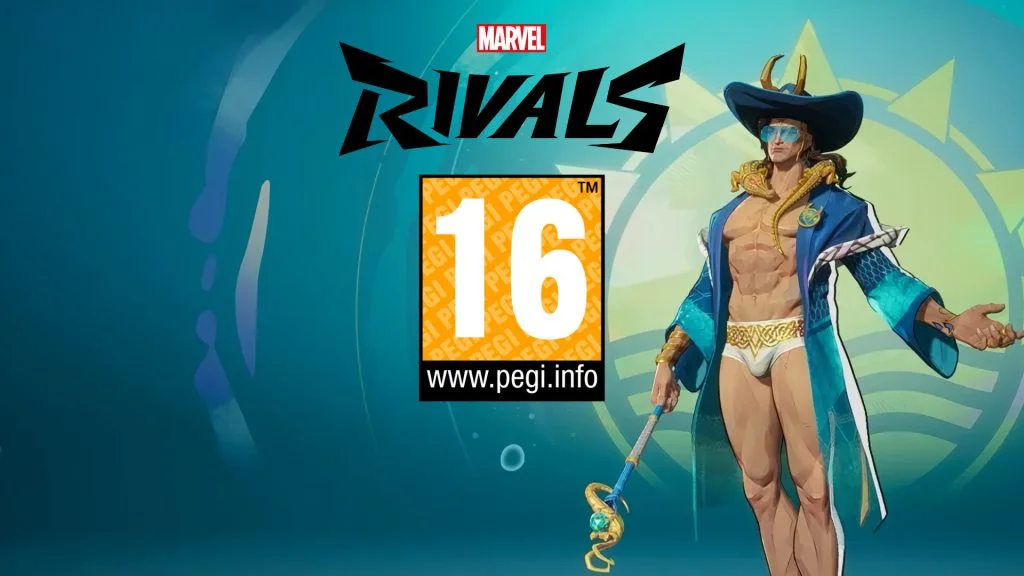
Marvel Rivals has updated its age rating to PEGI 16, reflecting new monetization mechanics, including a gacha system that raises concerns.
Marvel Rivals: A Rapid Rise and Controversy
Introduction to Marvel Rivals
Marvel Rivals has quickly carved out a niche in the gaming community, attracting about 10 million players within just 72 hours of its launch. This rapid growth can largely be attributed to its status as a free-to-play game tied to a globally beloved franchise—Marvel, known for its rich universe of superheroes. Given that the game initially carried a PEGI 12 age rating, it naturally drew in a younger audience, positioning itself as an accessible entry point for fans of the franchise.
Changing Ratings and Implications
As Marvel Rivals gains traction, the PEGI ratings board has adjusted its classification to PEGI 16. This alteration isn't just a bureaucratic footnote; it signals a shift in the game's content that warrants closer scrutiny. PEGI 16 suggests that new content may now include themes or mechanisms unsuitable for younger audiences. The transition likely stems from recent modifications in monetization strategies that, while perhaps intended to enhance player engagement, introduce elements that could be viewed as exploitative.
For context, PEGI ratings are crucial for informing parents and players about suitable content. The increase from PEGI 12 to PEGI 16 is more than a technicality. It reflects that the game, previously aligned with family-friendly content, is now positioned within a more mature sphere. If you're a parent or guardian in charge of monitoring gameplay for younger players, this change should give pause. The implications of such ratings on purchasing decisions, and even gameplay habits, shouldn't be underestimated.
Monetization Mechanics Under Scrutiny
While some have speculated that the new rating might result from cosmetic changes—like the introduction of fan-service skins—the PEGI update is primarily influenced by the game's monetization model. Most notably, the recent 'Pop & Win' system has come under fire. Modeled somewhat similarly to gacha mechanics prevalent in mobile gaming, this feature allows players to expend in-game currency to pop balloons, potentially earning exclusive skins. Though there's a guarantee of acquiring a skin once all balloons are popped, this approach raises concerns. This isn't unlike traditional loot boxes that often hinge on chance and can lead to unrestrained spending habits.
This is the part most people overlook: the psychological impact these systems can have on players, particularly younger ones. Gambling-like mechanics can foster a mindset where users are incentivized to spend continuously in pursuit of new items. They’re designed to keep players engaged but can easily spiral into excessive habits—something that has led to increased scrutiny from regulatory bodies.
PEGI's Clear Advisory
The updated PEGI analysis is unequivocal. It cites three specific areas of concern: Moderate Violence, User Interactivity, and In-Game Purchases that include randomized items. Each of these points deserves attention. Moderate Violence can imply a certain level of maturity is required to navigate the game's narrative themes, while User Interactivity acknowledges that players are likely to interact with others, potentially broadening exposure to negative behaviors or language. And then, of course, there’s the elephant in the room: randomized in-game purchases. Such elements introduce a risk of unintentional spending, raising alarms among consumer advocates and parents alike.
Access in a Digital World
Despite the uptick in age rating, the digital-only nature of Marvel Rivals makes access relatively easy for younger players. If you're working in this space, it’s vital to consider how such ratings function in a predominantly digital environment. Digital storefronts often lack robust age verification schemes, meaning that children might still gain access to content that’s now deemed more appropriate for older teens. This effectively nullifies the potential protective power of ratings, underscoring the need for better enforcement or self-regulation within digital gaming platforms.
Future Outlook and Industry Accountability
Looking ahead, the future of Marvel Rivals may depend significantly on whether developer NetEase chooses to reassess its gacha-style monetization strategy. Skepticism around such mechanics is growing, particularly as players become more aware of the financial risks involved. This could push developers to rethink how they incentivize spending or even how they classify their games. The industry should be prepared for more scrutiny and calls for transparency around microtransactions and in-game purchases. Players and regulators alike are sharpening their focus—a shift that could create ripples across the gaming landscape.
KitGuru asks: What’s your take on the Pop & Win system? Do age ratings hold any weight in a predominantly digital gaming environment? Share your thoughts on gacha mechanics below.

Discussion
Sign in to join the discussion.