Bit Planet Games CEO Christopher Stockman discusses the ideas behind the Ultrawings remasters, the studio’s VR roots and its 12-year journey.
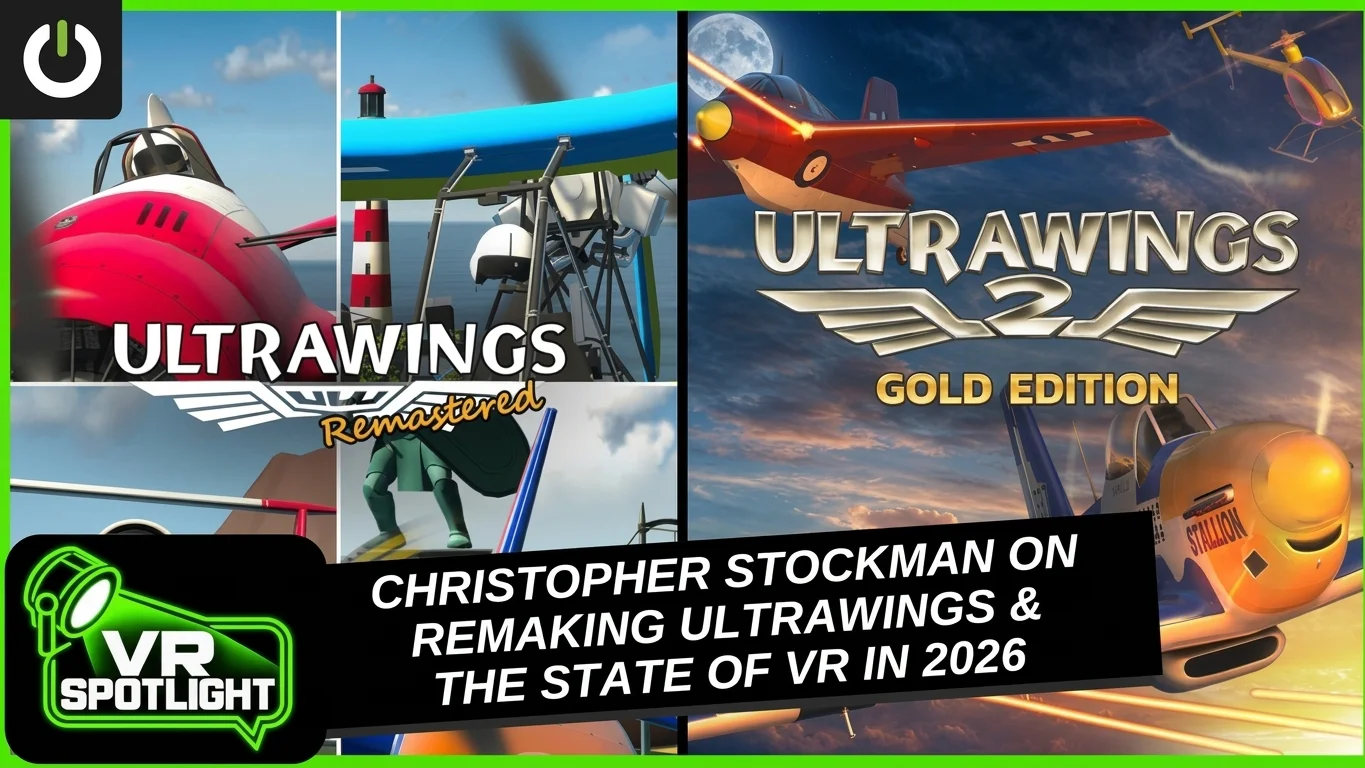
The Quest 3 versions of Ultrawings didn’t arrive as part of a launch-day upgrade wave. They came after Christopher Stockman, CEO of Bit Planet Games, had time to revisit two games that helped define his studio. That timing matters: the new editions grew from specific ideas he wanted to try, not from a routine hardware refresh.
Stockman discussed the remasters, Bit Planet’s 12-year history in VR, and the state of the industry in 2026 on the first episode of UploadVR’s VR Spotlight. The live interview series streams from a virtual studio in VR and is also distributed through podcast platforms. For the premiere, UploadVR’s Mike Johnson spoke with Stockman about how Ultrawings Remastered and Ultrawings 2: Gold Edition took shape, the studio’s beginnings, PlayStation VR2, Valve’s Steam Frame, and questions from viewers.
You can listen to the episode on Apple Podcasts or Spotify, or read the edited transcript below.
How Bit Planet and Ultrawings Took Flight
Mike Johnson (UploadVR):
Welcome to the inaugural edition of VR Spotlight. My guest today is Christopher Stockman, the CEO of Bit Planet Games, whom you know best for the Ultrawings series. Chris, thank you for being the first guest on this new series. Before we get into the Ultrawings remasters, for the people who aren't familiar with your company and your background, could you give a little history of how you came to form Bit Planet and how you got into VR?
Christopher Stockman (Bit Planet Games):
Thank you for having me. I'm super excited. Bit Planet will have been open for 13 years in February. I started it in 2014 before the VR craze happened because I wanted to make indie games. I've been making games for a very long time and it [Bit Planet] is not the first company I've started. It's actually the second. I'm best known, for old-school gamers, as the design director on the very first Saints Row. I left and started my first company after that and made some Xbox Live Arcade games and a Wii game using original IP.
So I started the second company and about a year into it, I saw a demo of Job Simulator at Alex Schwartz's garage and house, and I pivoted and decided that I wanted to do VR stuff. I loved Pilotwings, so Ultrawings was my original brainchild of doing Pilotwings in VR. That was the pitch. I went to Meta, got a little bit of money, and we were off to the races. Here we are 12 years later and still at it.
Mike Johnson (UploadVR):
That's incredible. I know Ultrawings launched in 2017, but what year did your team first start working on it full-time?
Christopher Stockman (Bit Planet Games):
This was probably mid-2015. It took about a year and a half to make. We were a tiny team. It launched in 2017 on PC and then, I'll be honest with you, it did not light the world on fire. In the first month, I think it made around $30,000, which was certainly not enough to support a team.
We were criticized for various things that were accurate, but what happened was we got a little bit of money from Samsung and we ported it to Gear VR. Then we got a little bit of money from Sony and we started the original PlayStation VR version. From there, we just kept signing deals. We got money from Microsoft. It was these smaller deals that kept us afloat. It wasn't until it came out on Gear VR and then [Oculus] Go and when Oculus put us on the Go box. Samsung heavily promoted it. Oculus heavily promoted and then everything really took off when we ported it to the original Quest.
Mike Johnson (UploadVR):
And it was a launch title for the original Quest in 2019, right?
Christopher Stockman (Bit Planet Games):
Yeah, and then COVID happened and sales really took off for the first one. Then Ultrawings 2 came out, which was light-years better than the first one in every way imaginable, and that did incredibly well.
Mike Johnson (UploadVR):
Ultrawings was one of the first flying games in VR that didn't rely on a gamepad or traditional controller. You were actually hands-on with the throttle and stick, flipping switches to start your ignition and get the propeller going. You didn't really have a blueprint for that sort of interaction when you built it, and I think people underestimate how long it takes to make something as simple as reaching out your hand and flipping a switch feel natural. How long did it take you to get those mechanics figured out?
Christopher Stockman (Bit Planet Games):
When we first started working on it, we only had a gamepad because the Oculus Touch controllers weren't available yet. Once we got early access to those, it took maybe three months or less to get something up and running. I wouldn't say it felt good right away, but it was fairly quick. I will say this, when we first put it in, I've said this many times, but I'm really susceptible to motion sickness.
Mike Johnson (UploadVR):
That is fascinating given the games that you make.
I didn't know this until our first playable build. I couldn't play it for more than five minutes and then I was out for the rest of the day. Here's the odd thing though. Motion sickness affects everybody differently, but as soon as we got motion controls working, it cured it for me completely.
Mike Johnson (UploadVR):
Really? Just the simple fact of being hands-on with the controls tricked your brain? That's interesting too.
Christopher Stockman (Bit Planet Games):
Yeah. I could play it then for hours and do crazy things like barrel rolls and somersaults.
Mike Johnson (UploadVR):
Did your susceptibility to motion sickness encourage you to put both realistic and more constrained arcade flight controls into the first game, or was that always the plan?
Christopher Stockman (Bit Planet Games):
It wasn't because of me; it was suggested to us at the time, along with the various comfort blinders. At the time, there were huge concerns around motion sickness, whereas nobody really talks about it as much anymore. We didn't even put arcade settings into the sequel because it would have been impossible to complete the game. You can't dogfight when you can't actually do any maneuvers.
Mike Johnson (UploadVR):
Was bringing dogfighting into Ultrawings 2 always part of the plan, or was it driven by player feedback from the first game?
Christopher Stockman (Bit Planet Games):
That was a natural evolution. It's funny because we partnered with Meta again on the second game, and they wanted to see a playable demo. The very first thing we built was the ultralight aircraft with the grenade pistol. We had the Hawaii island built and what we demoed was firing on a convoy. And we thought this was crazy. You'd never do that in real life. Grenade pistols don't even exist! Getting the dogfighting itself right, though, took a long time. It took about a year just to get the AI feeling fun and engaging.
Ultrawings Remastered trailer
Why the Quest 3 Editions Came Now
Mike Johnson (UploadVR):
Moving to the remasters that just launched here in 2026: when Quest 3 first came out in 2023, there were well over a hundred games that received Quest 3 updates, ranging from simple render resolution bumps to higher-resolution textures or more enemies on screen like in The Walking Dead: Saints & Sinners. That was all several years ago. Now we're in 2026 with Ultrawings Remastered and Ultrawings 2: Gold Edition. Why was now the right time to put these out?
Christopher Stockman (Bit Planet Games):
Well, we were in the middle of developing another game that we put out last year and diverting attention to anything else wasn't possible. When that game came out, it just wasn't very good. I mean it was okay for a certain audience, but the core loop suffered. I basically sold that off and tried to figure out what I wanted to do next. I signed a deal with a company for another game.
While that new project was spinning up, I had a hunch that I could get the PC VR version of the original Ultrawings running on Quest 3 using some tricks up my sleeve. And I didn't want to just port it without improvements, so I went above and beyond: new skyboxes, new music, new water, ambient life, a photo mode, new achievements, and a collection system mechanic in free flight, just to see if it could be done.
In tandem, I was poking around with Ultrawings 2. I'd been working on this for a while. I love the game, but I always had a problem with the static skyboxes. It just bugged me that I never saw any variety. There were different times of day, but they never changed. So I went off and explored that and wondered what I could do. That's how both editions materialized.
Quest Sales, Franchise Fatigue, and PS VR2
Mike Johnson (UploadVR):
We have a question from the audience asking what sales figures were like on Quest compared to PC VR for the first game. You don't have to give exact figures, but if you can share a rough ratio since you mentioned it didn't light the world on fire until it launched on Quest.
Christopher Stockman (Bit Planet Games):
For the first game, the Quest version made seven figures, whereas the PC VR version made low six figures. And Ultrawings 2 has made more than Ultrawings 1, which is actually pretty rare for a sequel on the Quest market.
Mike Johnson (UploadVR):
A friend of mine actually asked why you didn't just make Ultrawings 3. My response was that threequels haven't typically done well in VR. There's a point of diminishing returns. Just checking review counts and reading the tea leaves, the deeper you get into a franchise, you start having people drop off. There's a natural attrition.
Christopher Stockman (Bit Planet Games):
I'm also of the mindset that when you continue a franchise, there has to be a reason to do one. It can't just be new environments and a couple of new aircraft. There has to be a fundamental reason to come back to it. Ultrawings isn't about story or characters you know and love and want to see continue. There has to be other reasons you want to come back. The delta between the first and second game was huge because we added combat, a helicopter, and a full open world on Quest 2 that hadn't been done before, that sort of scale. For a third game, we have to ask ourselves what we can bring to the table that will get people to buy it. That will make it feel like it's not just a 1.5 or 2.5. That is truly a new product that you want to sink your teeth into.
Mike Johnson (UploadVR):
I love that because that feels more like a creative decision than "this game did really well, so we should make another one." Coming from a CEO, that's really refreshing.
Another viewer in chat asks: "Loved Ultrawings on my original PlayStation VR. Do you think PlayStation VR2 has not been supported properly by Sony?" David Heaney and Kyle Riesenbeck just had a long discussion on The VR Download about PlayStation VR2 winding down as Sony removed it from direct sale on its website. Don't get yourself in trouble though.
Christopher Stockman (Bit Planet Games):
This guy knows my history. I've gotten in trouble with some of my comments from some hardware manufacturers. I don't have any allegiance or ties to Sony, so I'll just say this: I knew pretty early on that Sony was not going to support PlayStation VR2 in any meaningful way when they decided to launch with basically only one exclusive VR game—not counting Gran Turismo 7 since that's a VR mode. When that launch title came out and they weren't doing more, and weren't supporting a lot of developers with deals, I had a feeling that the writing was on the wall. Actions speak way louder than words.
I think it's a shame because it's great hardware. I love PlayStation VR2. We ported Ultrawings 2, on our own dime, to PS VR2 because we thought there was a market for it, and we more than tripled or quadrupled our money back, so I have no regrets there. But if you release hardware and you have a plethora of IP to pull from that wouldn't even take crazy budgets to make, you have to trickle out exclusive content to support that platform. And they didn't.
I begged them to let us make a Colony Wars game, if you remember Colony Wars on the original PlayStation. I have history making space combat games and cockpit games, which is not that much of a stretch at all, and they didn't give me the time of day. They were not interested in talking about that at all and I thought they were crazy.
Mike Johnson (UploadVR):
I will say this. I've talked to multiple developers both on and off the record, and you're not the first person I've heard that from. You're not even the tenth I have heard that from. I've heard that quite often.
I was very disappointed.
Ultrawings 2: Gold Edition trailer
What the Quest 3 remasters change
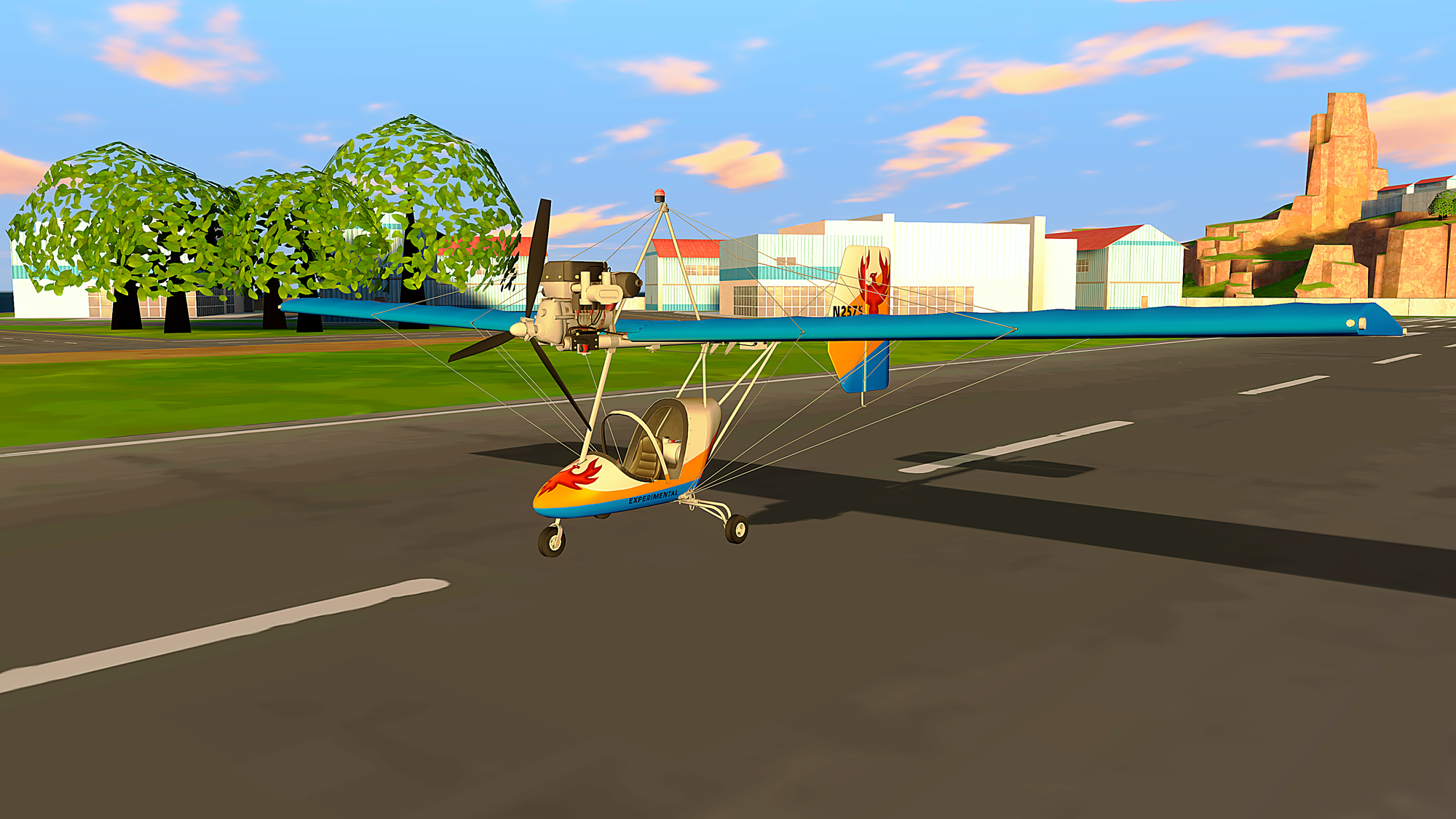
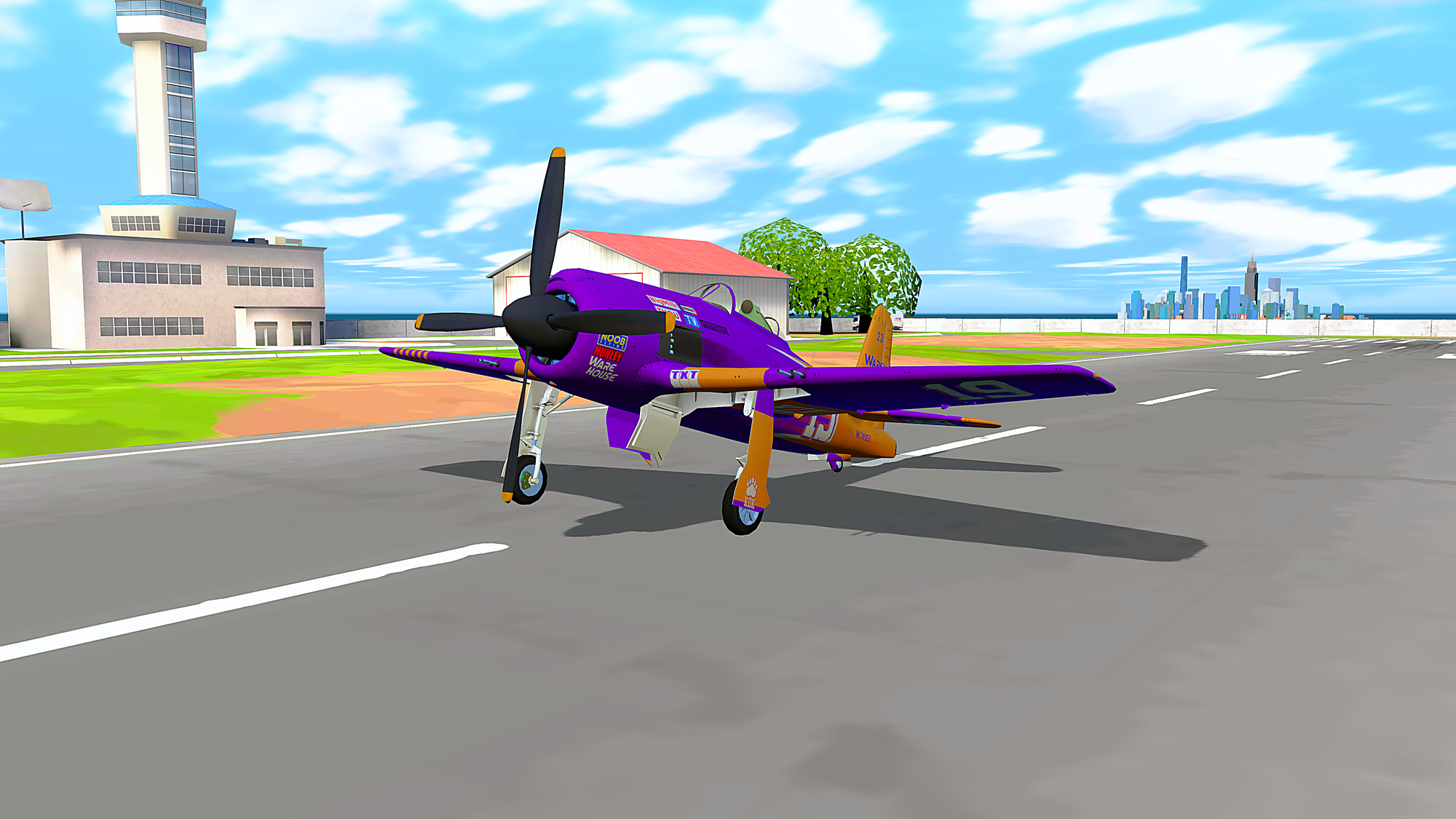
The scale of the upgrade is the point. Ultrawings Remastered rebuilds the original Quest experience around a world that can be explored continuously, drawing on assets from the PC VR version. The first Quest release split its islands into separate loads, with design compromises made to fit the hardware. On Quest 3, Bit Planet Games says the islands can sit together in one world.
That shift supports more than a larger map. The remaster adds real-time lighting and moving shadows, replacing the original’s projected shadows, as well as a photo mode with zoom. The latter has a steep rendering cost: Stockman says the game effectively renders the world three times to make it work. There’s also more activity in the scenery, including cows and dolphins, plus achievements tied to taking pictures.
Here’s the small feature that says a lot about the game’s pace. In Free Flight, pilots in the ultralight can pick up a tablet and take photos that save directly to the device with a postcard overlay naming the island. Stockman says players can share those images on social media, though he’s unsure how many will. A balloon hunt adds another set of targets and achievements. These additions suit the original’s gentler sightseeing focus; the sequel’s dogfighting gives it a different center of gravity.
The original Quest version remains available to Quest 2 and Quest Pro owners, and Stockman hasn’t decided whether to retire it as Meta winds down support for those headsets. Meta is winding down Quest 2 and Quest Pro support, but the developer’s plans for the older release are still undecided.
Stockman describes the remaster as a larger leap than the move from Ultrawings 2 to its Gold Edition, though he sees different strengths in each. The striking technical achievement is getting a version based on PC VR assets, which he says weren’t optimized for mobile, running on Quest 3 at what feels like 90 frames per second. The Gold Edition’s gains, meanwhile, come through the added visual detail and stronger sense of a living world. Stockman says the original series began on Gear VR and Go; this remaster was built from the PC VR version, with extra features added to give players a reason to return.
A changing sky, and the cost of getting it right
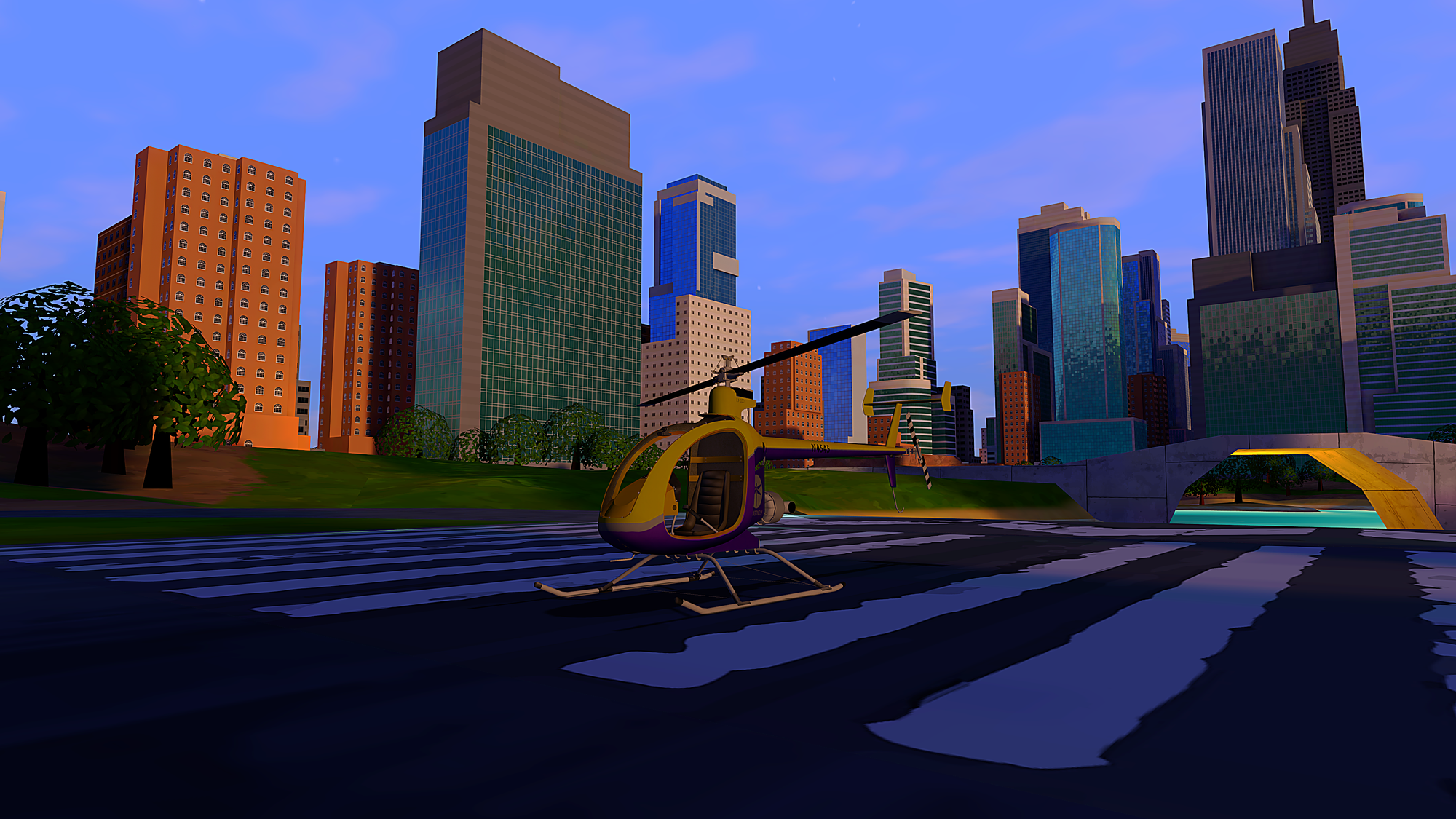
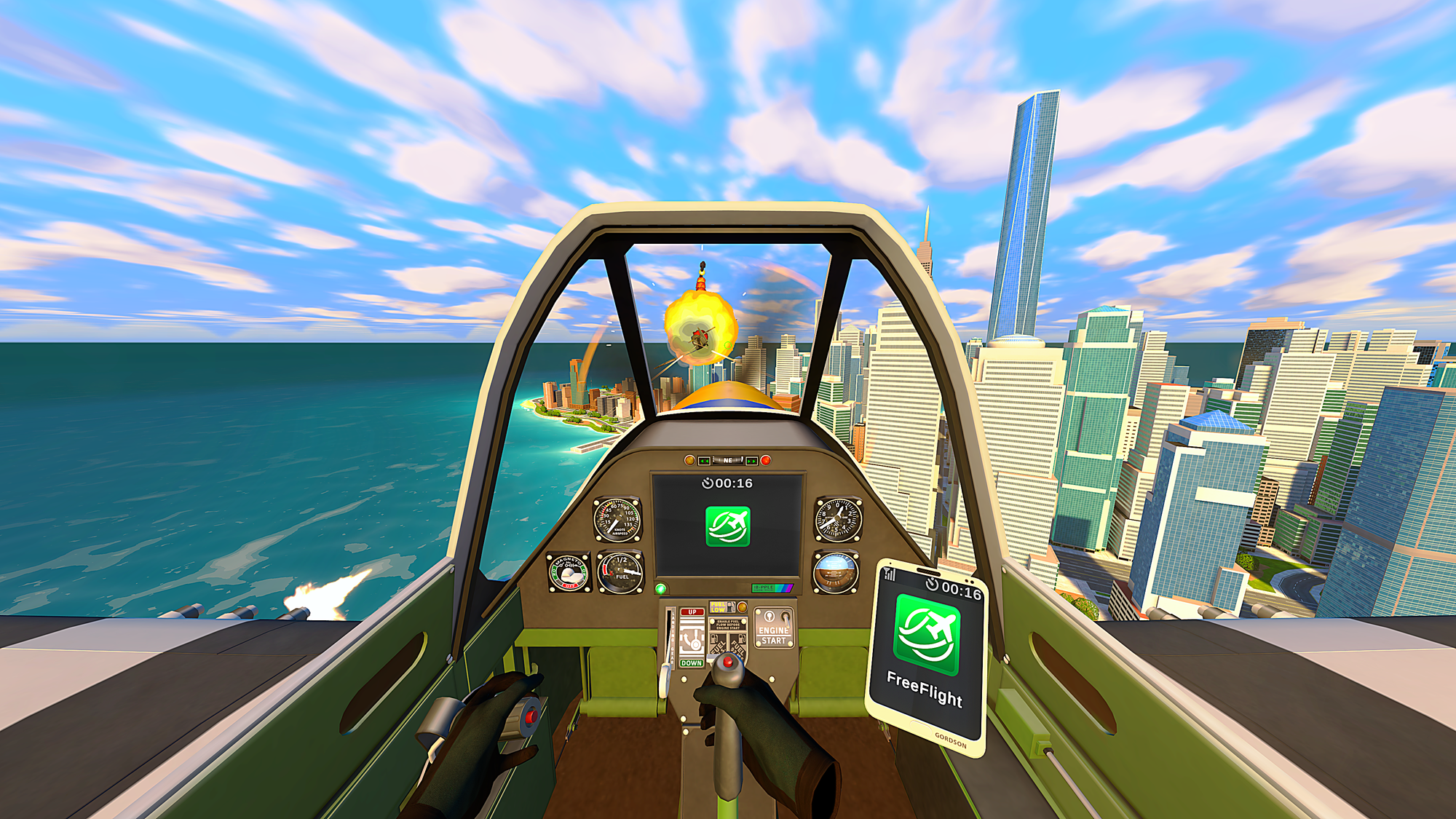
Ultrawings 2: Gold Edition includes the Kodiak aircraft DLC and its associated content from the start. Its defining change is a dynamic time-of-day system: the sun moves from sunrise through night, the lighting shifts in real time, and the moon cycles through phases, including an eclipse. Clouds move and vary, while storms bring lightning, thunder and rain that beads and slides across the cockpit canopy.
This is more significant than a prettier sky. The changing light can make a familiar flight feel different without interrupting it, and Johnson said he lost track of time in the headset while watching the cycle unfold. He compared it with the day-to-night shift in Ocarina of Time, which has less impact on a monitor, and contrasted it with VR games that use a scene load and a hard transition. Stockman says the Gold Edition is free to try; he also acknowledges his own bias when praising the result.
The work behind that effect was iterative. Stockman says the team went through about six versions of the clouds and also revised the rain. The trailer, he says, was captured entirely on Quest, with no special production tricks. That’s an unusually concrete claim for a VR trailer: the visual effects shown are meant to reflect what the headset renders in real time.
Bit Planet Games built the remasters in Unity 6, which Stockman says performs better than earlier versions. The team’s main challenge was tuning visual quality without sacrificing frame rate. An earlier update released a couple of months before the interview failed that test and was pulled after players complained. The developers then revisited the work, aiming to make the day-and-night cycle run without a fade, transition or noticeable hitch. Stockman concedes it isn’t perfect, but says it’s close.
The game shipped with the Universal Render Pipeline; the challenge wasn’t adding URP later. Early clouds looked abstract, with unnatural edges, until the team made them more procedural and wispy. A cloud-morphing approach that changed their shapes proved too demanding to run. Stockman suggested it might be possible on a future headset in a hypothetical “Platinum” edition.
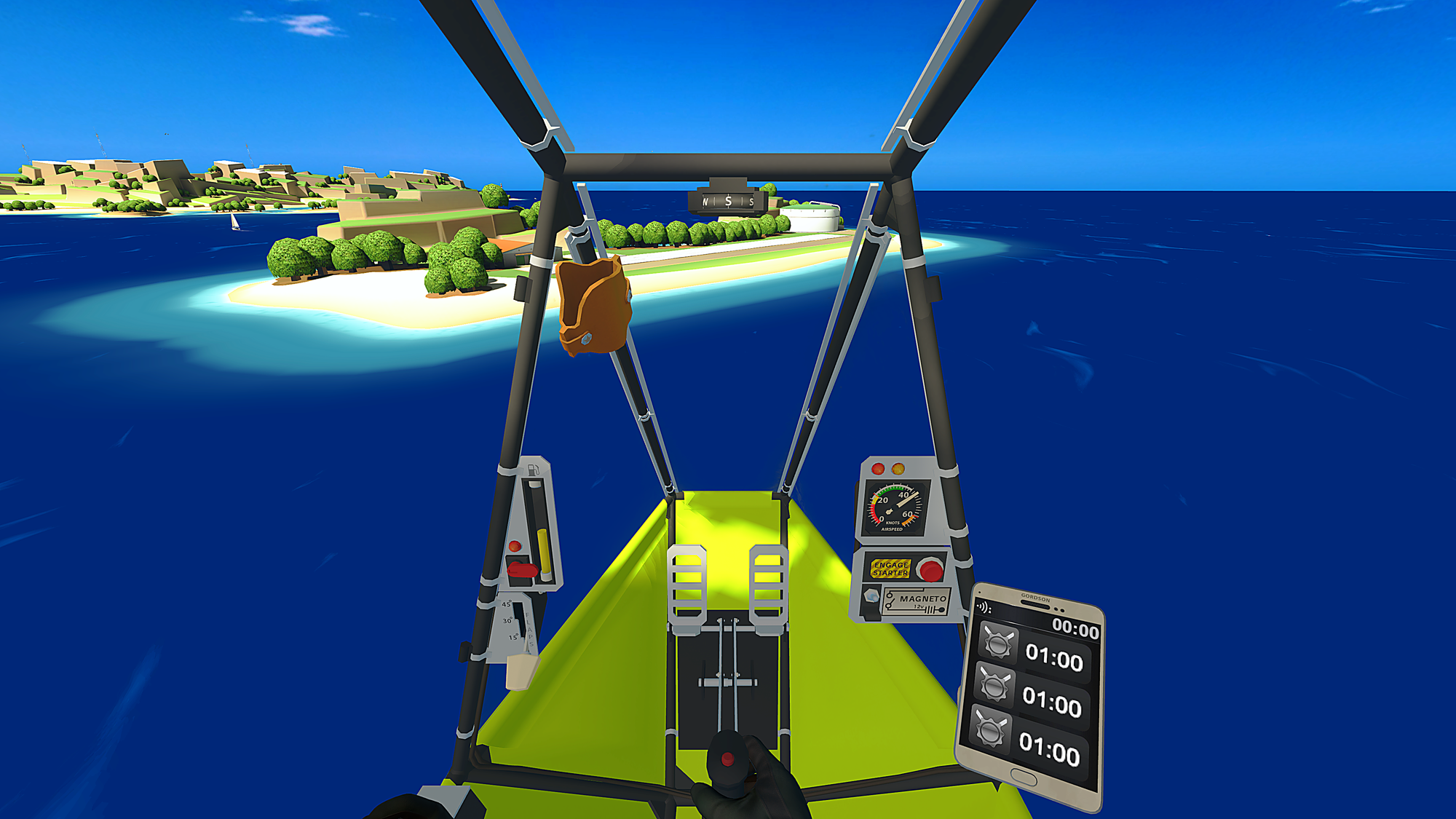
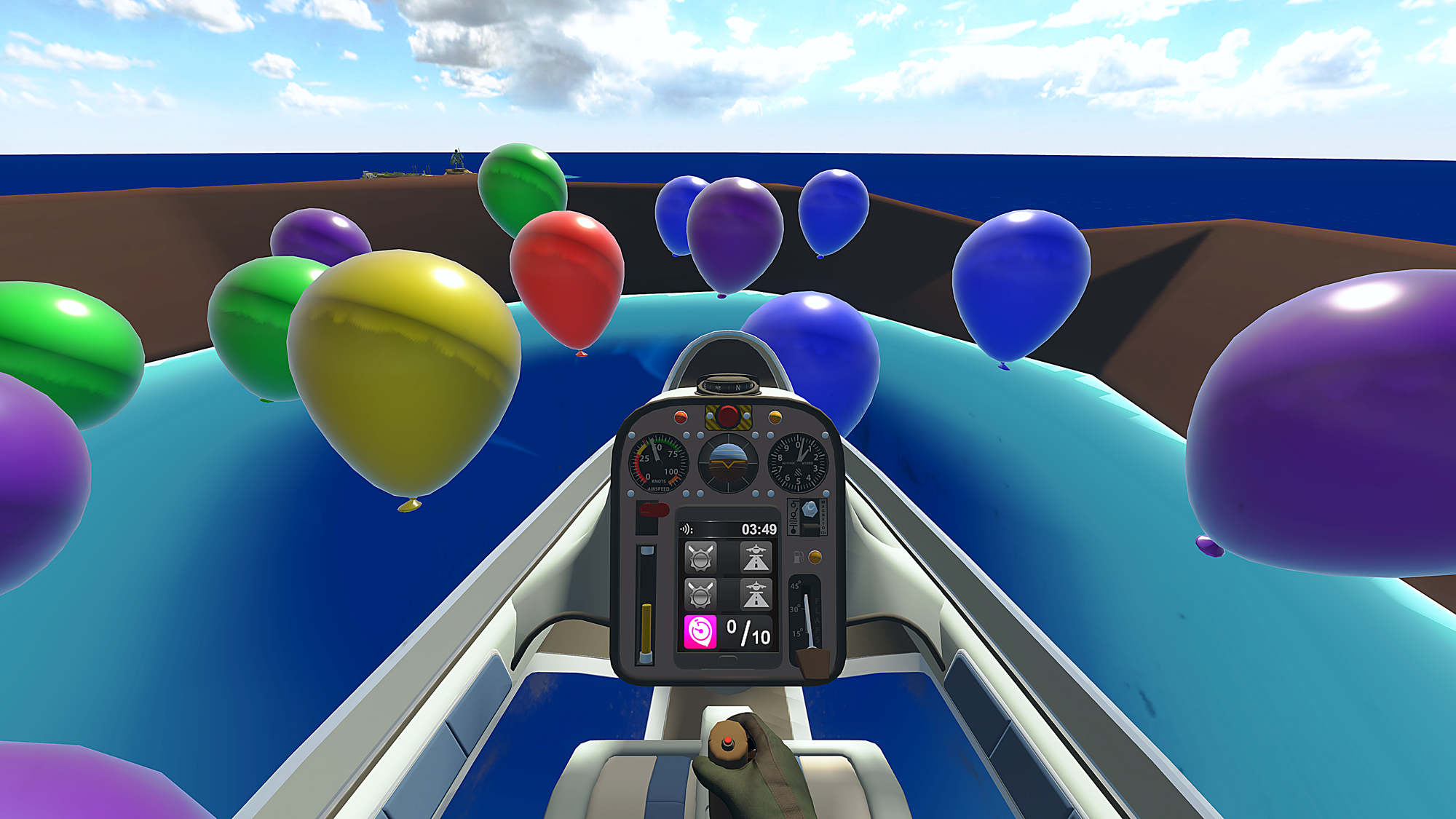
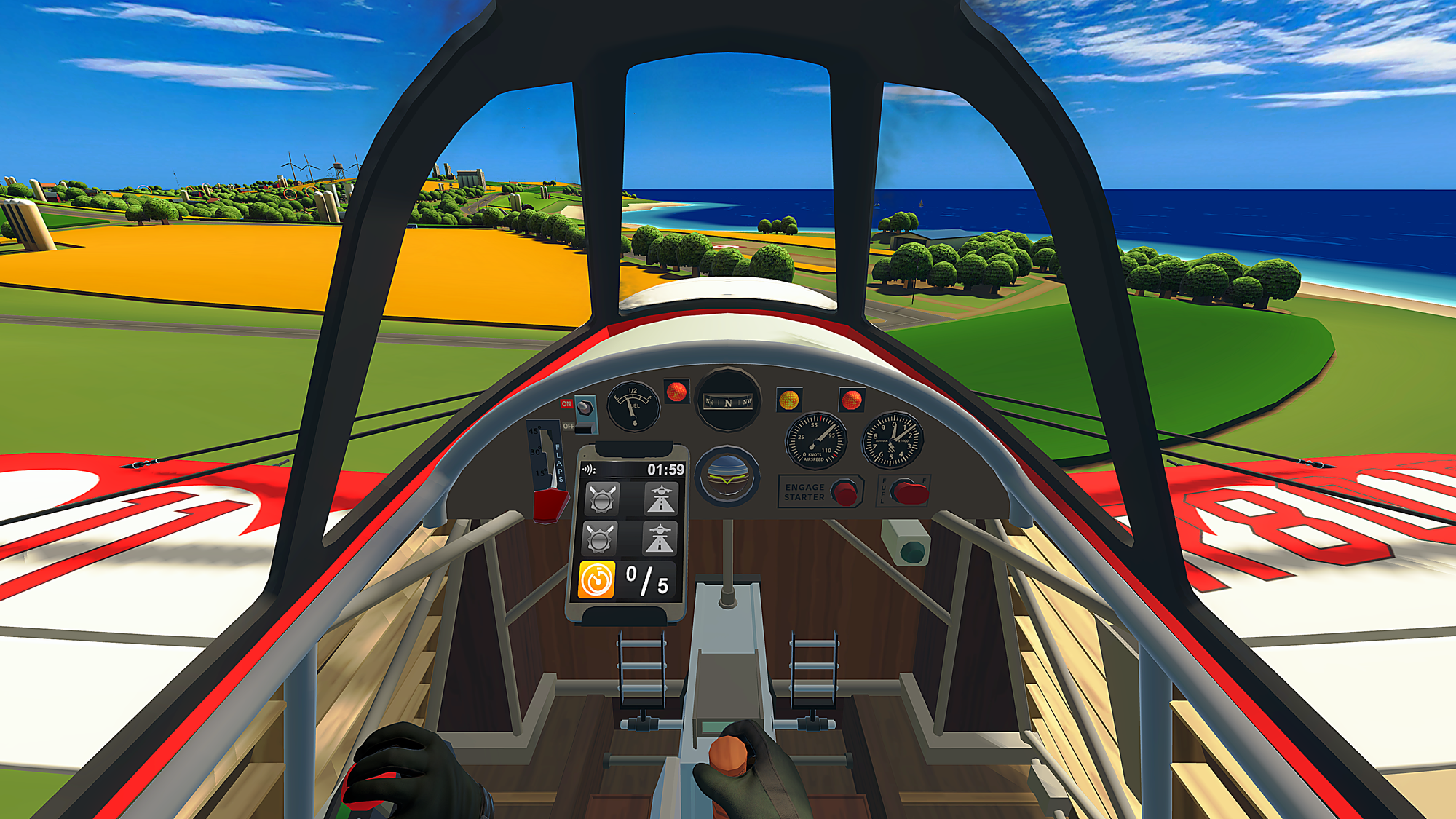
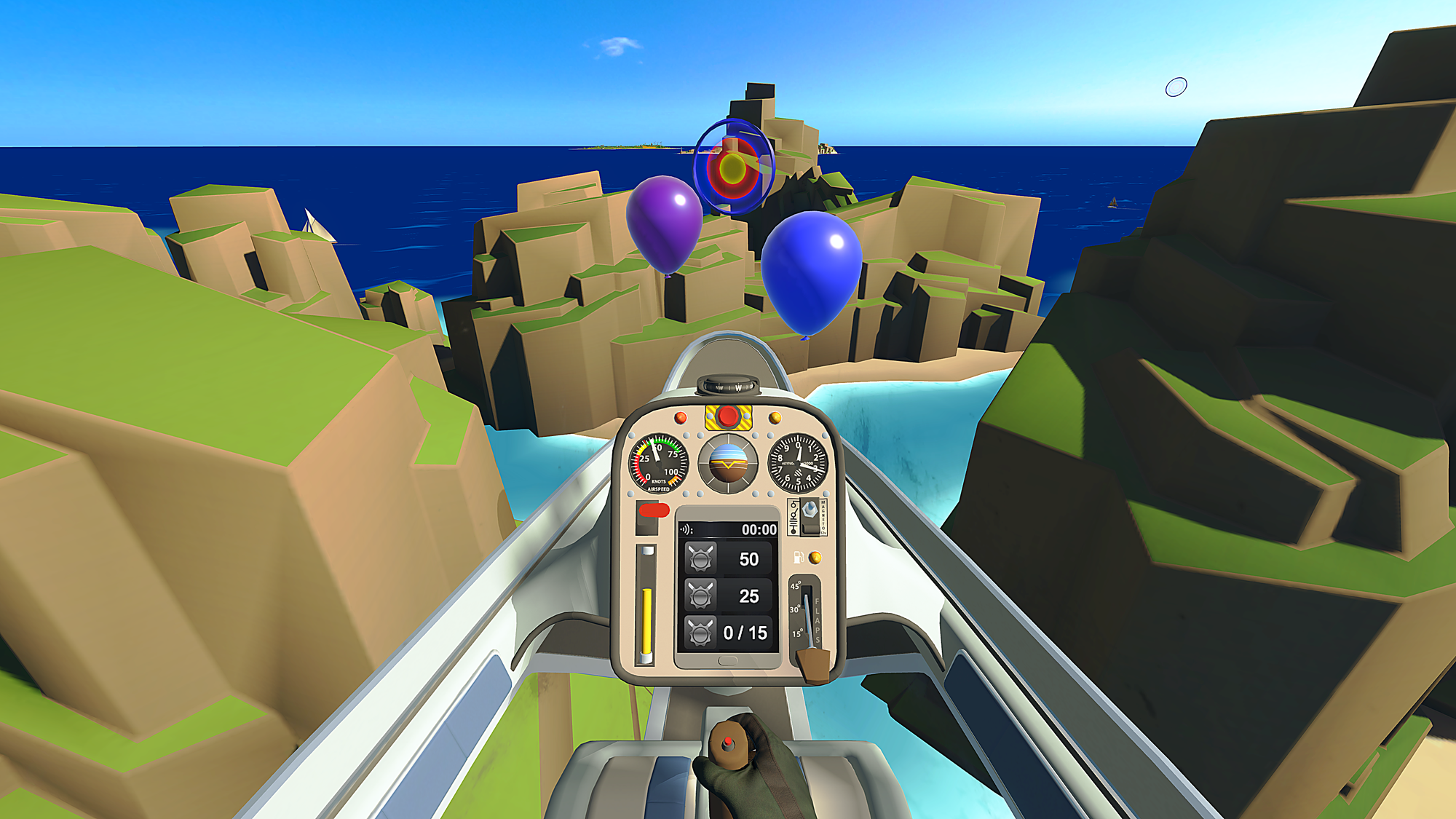
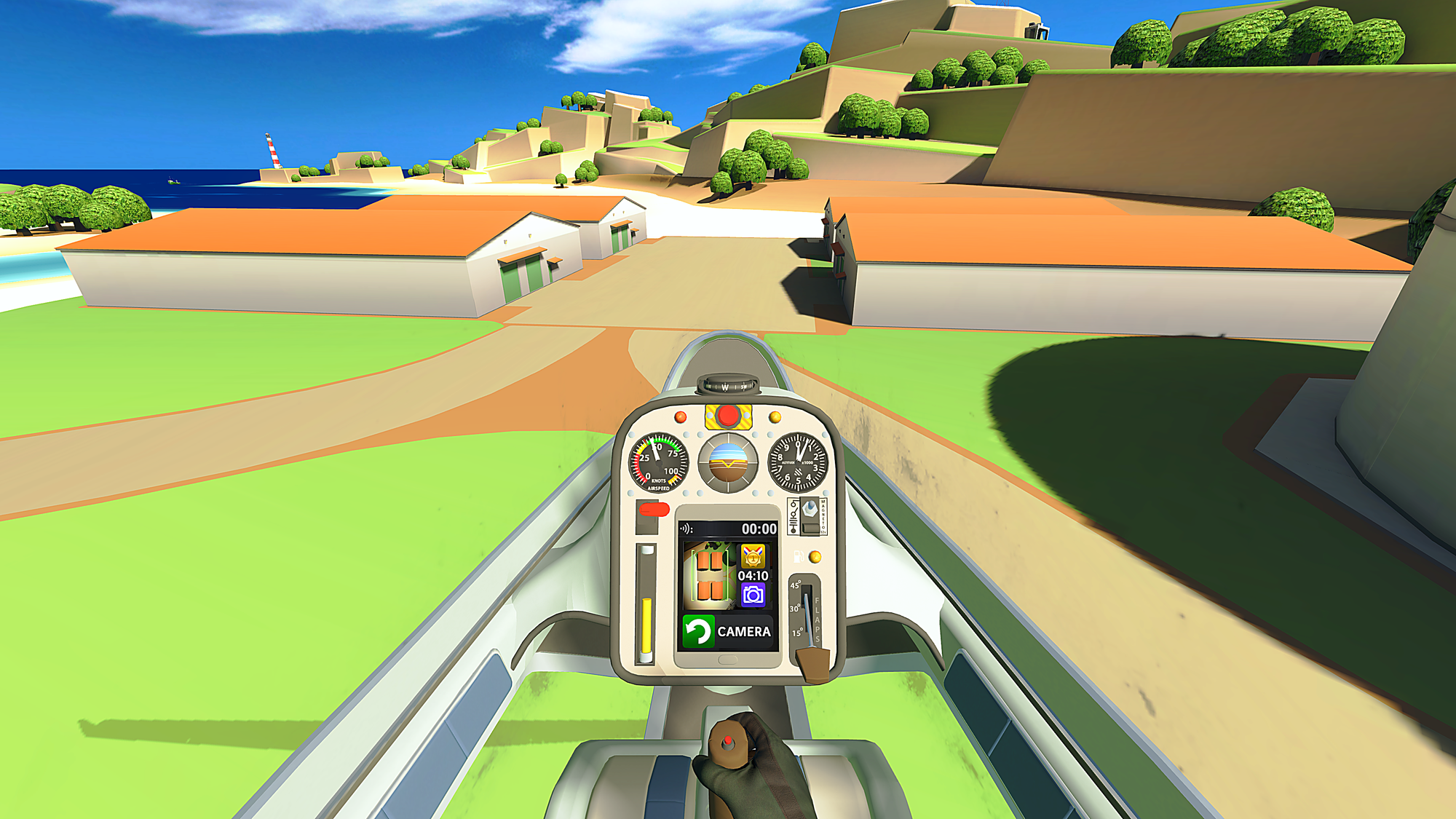
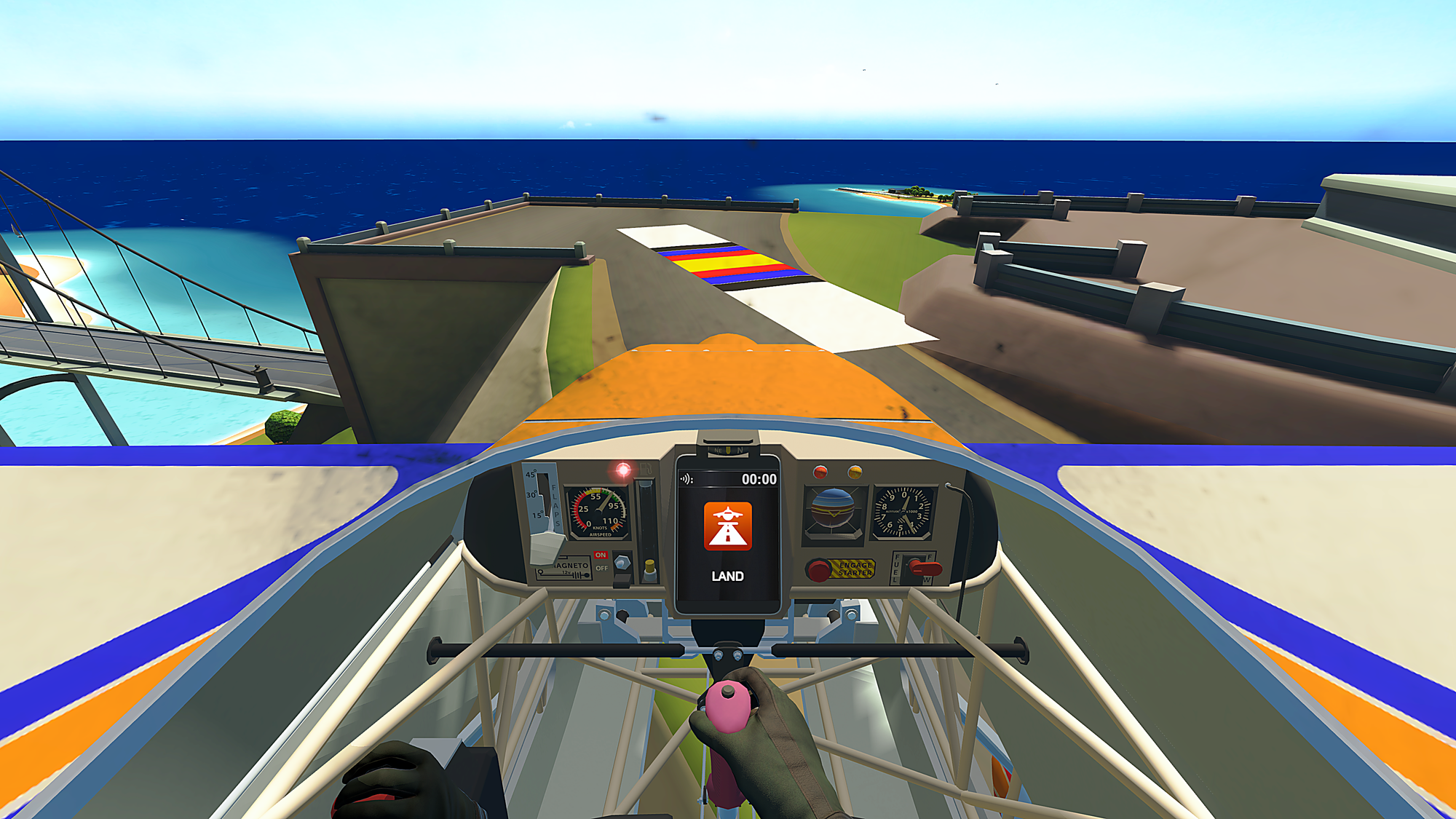
Ultrawings Remastered screenshots
What the hardware can—and can’t—support
More islands aren’t a simple content update. The team built Ultrawings 2 with space for roughly seven additional islands, but Stockman says adding them to the same seamless world would overwhelm performance. Loading each island as a separate world would mean hard transitions, which he thinks would feel awkward. So new maps aren’t planned for this game. The studio is experimenting with another way to expand the series in its next project, though Stockman offered no details.
There were bugs, but none Stockman remembers as a happy accident. He recalled physics glitches from the first Saints Row that inspired the Insurance Fraud mode, but said he mostly finds bugs irritating. In Ultrawings 2, characters could appear outside the map, and multiplayer crashes could show other players in their crash sequences.
The Gold Edition also adds background activity: boats and cars, police vehicles and ambulances that can rarely flash their lights, and sailboats floating off the Hawaii island. Stockman says the team spent more time on ambient life for this release. It’s an understated upgrade, but those moving details help sell the claim that the world continues beyond the player’s immediate flight.
On PC VR, work is underway on an enhanced Gold Edition with real-time shadows and a more developed wave system. Stockman expects it to need a more powerful graphics card, and says it isn’t a direct port. He’s skeptical that a standalone Steam Frame version makes sense, but is working on a PC VR version that will support the Frame. He also pushed back on the idea that the existing Quest 2 release is simply a PC game ported down: the PC and Quest versions were developed separately and share assets, and making the second game took four years.
The fragment ends just as Johnson asks why the planned Quest 3 update was pulled in favor of the Gold Edition; Stockman’s answer isn’t included here.
“We put a lot into improving multiplayer, and we’re still working on it. We may add another mode, too. I wanted that effort to pay off. The plan was to make the update for Quest 3, but Quest 3 players told us they could no longer play multiplayer with friends on Quest 2. We later realized original owners could switch to the legacy Quest 2 build through the release channel selector if they wanted to keep playing together.
“So I made Gold Edition an update for people who already own the original game on Quest 3. It doesn’t include the DLC; that’s still a separate purchase. I wanted to thank fans without making it look as if we’d given them something and then taken it away.
“If you own the original, open the store’s release channel menu and select Legacy to get the Quest 2 version. That build won’t receive updates.”
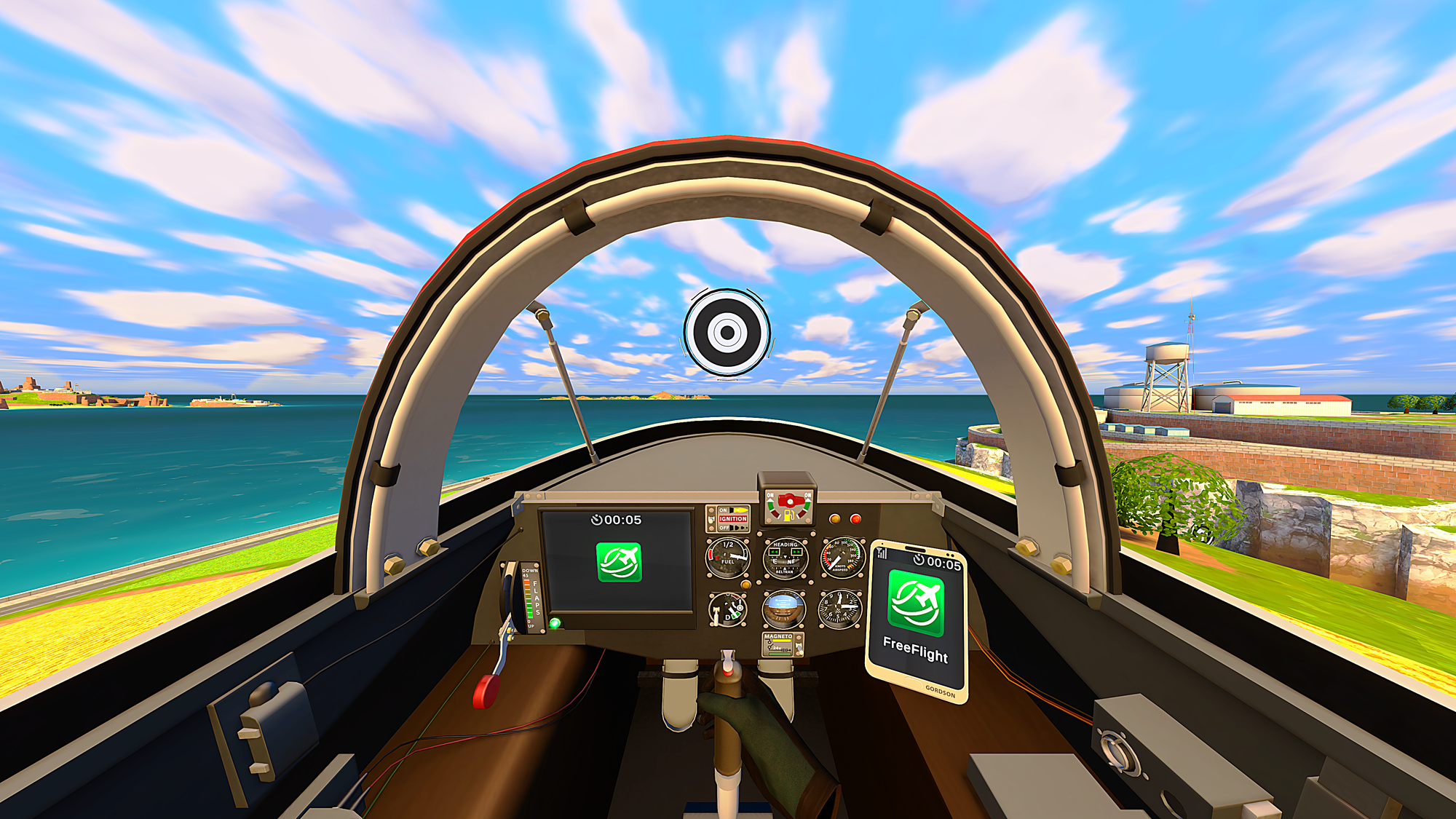
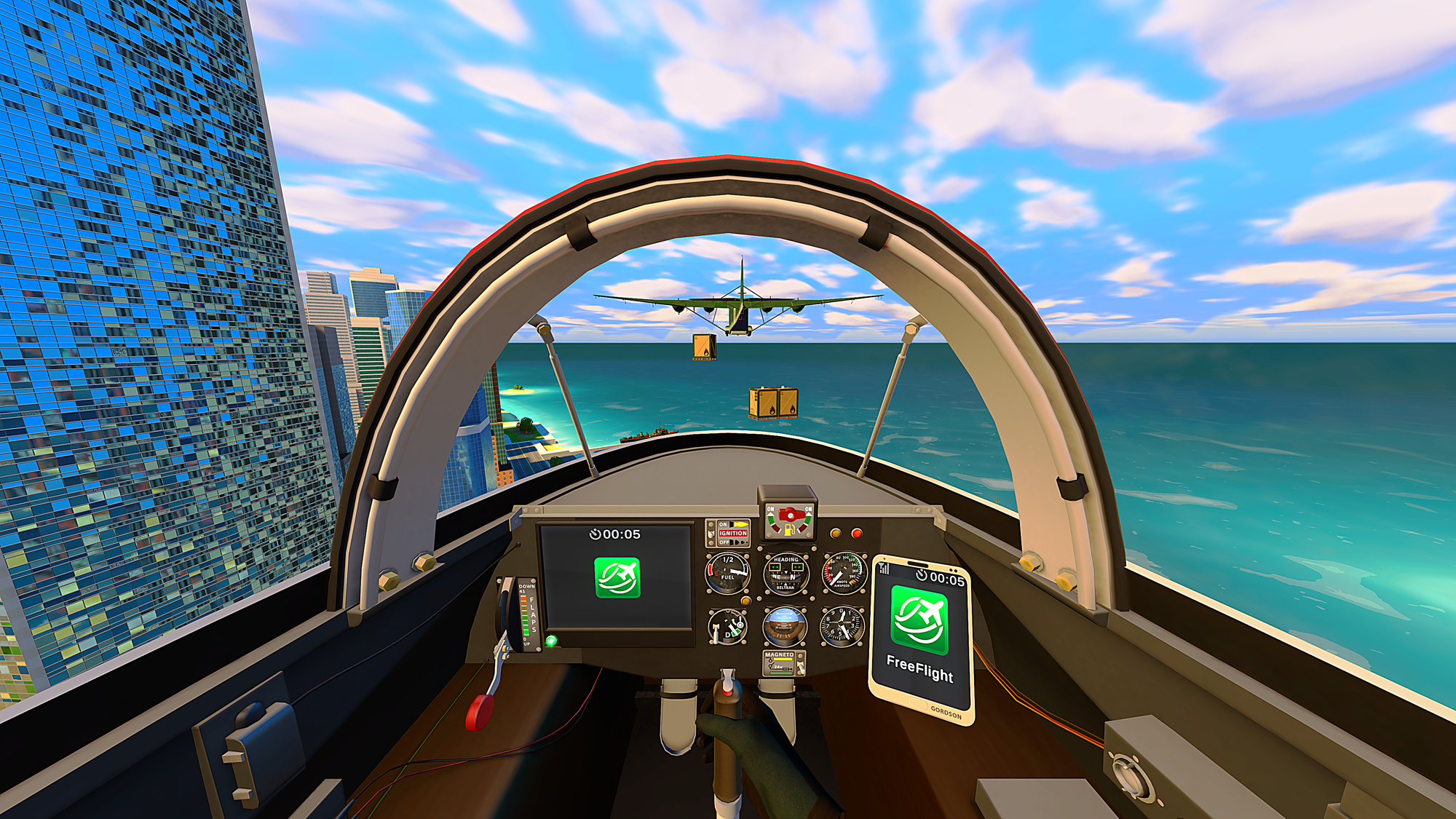
Ultrawings 2: Gold Edition screenshots
The State of the VR Industry in 2026
Mike Johnson (UploadVR):
Since James and I started full-time in February, we’ve published more than 30 stories about studio layoffs and games shutting down. Against that backdrop, where does Bit Planet Games stand, and how does the VR market compare with the one you entered?
Christopher Stockman (Bit Planet Games):
The player base has changed dramatically. You can still make serious money in VR, but the strongest path right now is free-to-play. There are exceptions. I Am Cat, for example, succeeds at around $14.99, and it makes sense: it’s a good game with broad appeal. People like pets, and they like being a cat. But for most paid games, the market is unforgiving. If you’re not free-to-play, you can struggle to get noticed at all.
Valve making another headset is good for VR, and I’m glad they’re supporting the ecosystem. But new hardware raises a basic question: what will people play on it? Steam Frame seems pulled between standalone use and PC streaming. My guess is that most buyers will already own a PC and sit inside Valve’s ecosystem; people with a Steam Deck but no PC seem like a small group. Valve has also said it expects more flatscreen games than VR games to be played on Steam Frame. And without exclusive games, the hardware’s role in growing VR is hard to judge. Actions speak louder than words.
The market has shifted toward free-to-play social games aimed at younger players, including 14- and 15-year-olds. I hope some of them will eventually want more mature content. That’s a hope, though; the current audience doesn’t guarantee it.
I could make flatscreen games, but I love Ultrawings and want to keep making VR flight games for as long as I can. It’s what I want to do. Fans can find limited-use discount codes for the new editions in our Discord at discord.gg/bpg. The codes expire in March, and there’s a cap on how many times they can be redeemed. They make the games cheaper while helping support our studio.
Mike Johnson (UploadVR):
When you’re away from game development, what do you play to unwind?
Christopher Stockman (Bit Planet Games):
I’m one achievement away from a platinum in Balatro on PlayStation 5, after about 4,000 hours. The PlayStation Portal lets me chip away at it before bed and stay married. I’m hoping to finish before November 19.

Discussion
Sign in to join the discussion.