Forefront’s Operation: Sandstorm adds Breakthrough, a knife, the FMS rifle and challenge-based unlocks, alongside gameplay and performance fixes.
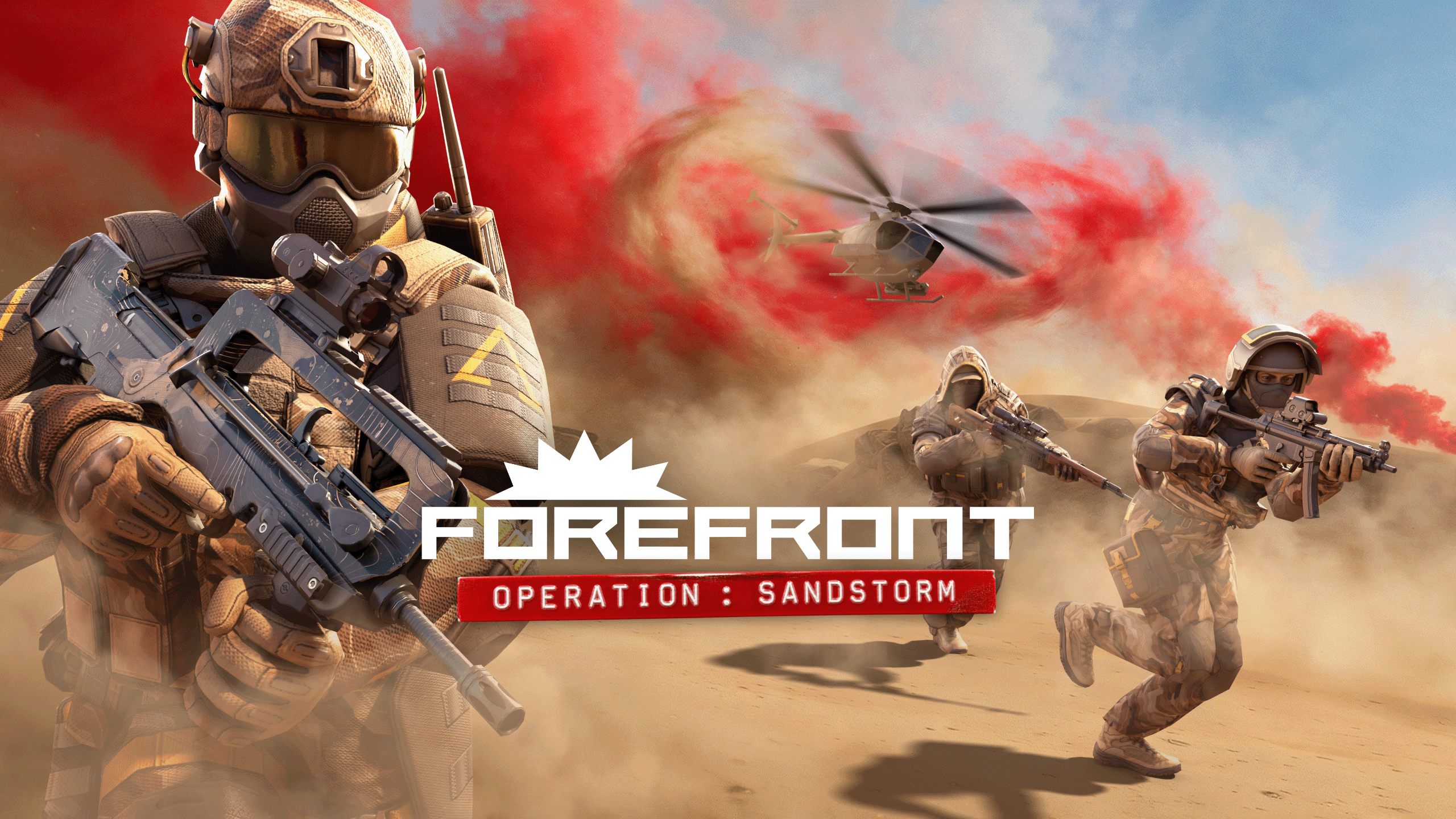
Forefront’s Operation: Sandstorm gives the shooter a new way to progress and a more structured objective mode. The update adds Breakthrough, the game’s first melee weapon and a new rifle, while daily and weekly challenges feed a rewards track called Operations. Taken together, the changes touch both the match-to-match experience and the longer-term reason to keep playing.
That broader structure matters in a game where new equipment and modes can change how players approach familiar maps. Operation: Sandstorm gives players a set of tasks to pursue alongside the main combat loop, while Breakthrough puts clearer boundaries around the fight. The update’s appeal will depend on how well those additions fit into regular play.
Challenges power the Operations rewards track
Players earn XP and points by completing daily and weekly challenges. The two timeframes create different kinds of goals: daily tasks can give a session a near-term focus, while weekly challenges give players longer to work toward rewards. Points unlock free items, making the track relevant even to players who don’t buy its premium version.
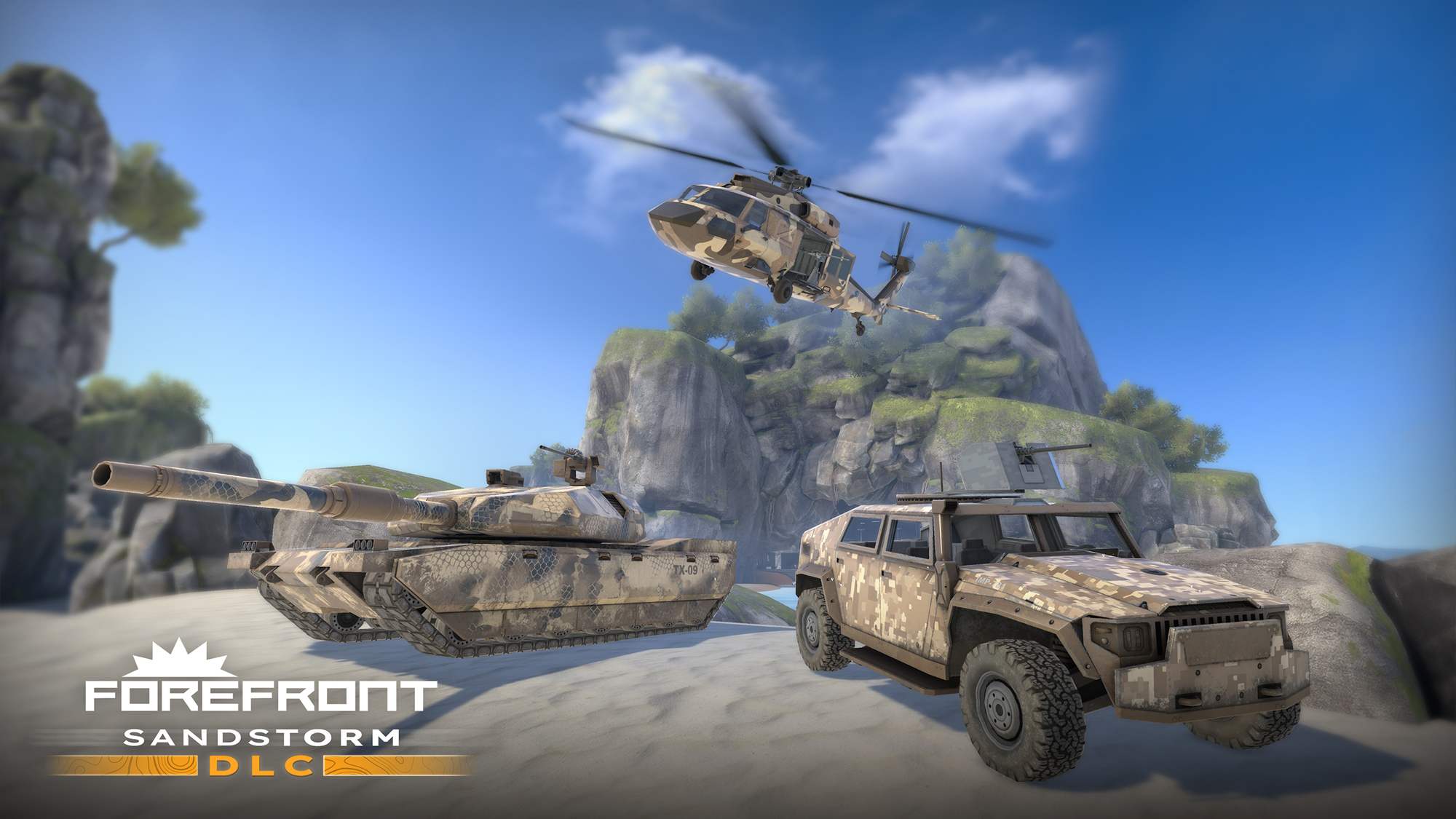
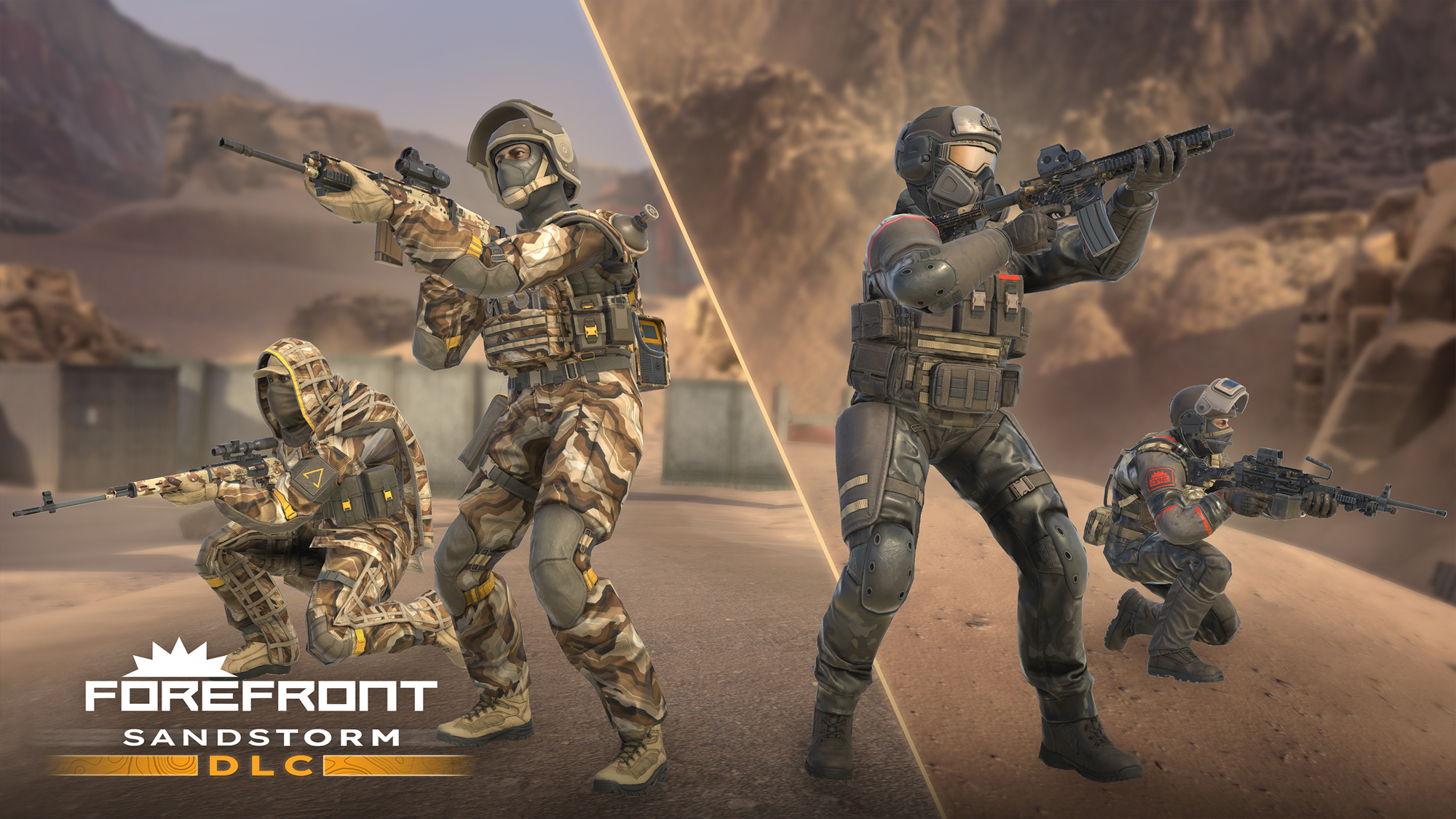
Premium Operation: Sandstorm offers additional items, including character and vehicle skins, weapon patterns, player cards, charms and emblems. Those rewards are primarily cosmetic, so their value depends on whether players care about personalizing their characters and equipment. The structure is familiar from other games with challenge-based progression, but its success here will rest on whether the tasks feel like natural extensions of play or chores that pull attention away from the match.
This is more significant than it looks: a progression track can give players a reason to return, but it also makes the pace and quality of challenges part of the game’s ongoing appeal. If you're working through the free track, the key question is whether the available goals fit the way you already want to play.
Breakthrough shifts the fight across sectors
The new Breakthrough mode blends elements of Conquest and Rush. Attackers must capture every point in a sector before pushing onward to take the map; defenders work to hold each sector and stop that advance. The sector structure gives both teams a more defined front line than a mode built around points spread across a map.
Breakthrough is available on Tunnels, Siberia, Mauritania and Fjord. That map list gives players a specific set of environments for learning the mode’s rhythm, though the same rules may play out differently depending on sightlines and routes. Attackers need to coordinate their push across objectives; defenders have to decide where to concentrate their effort as the fight moves from sector to sector.
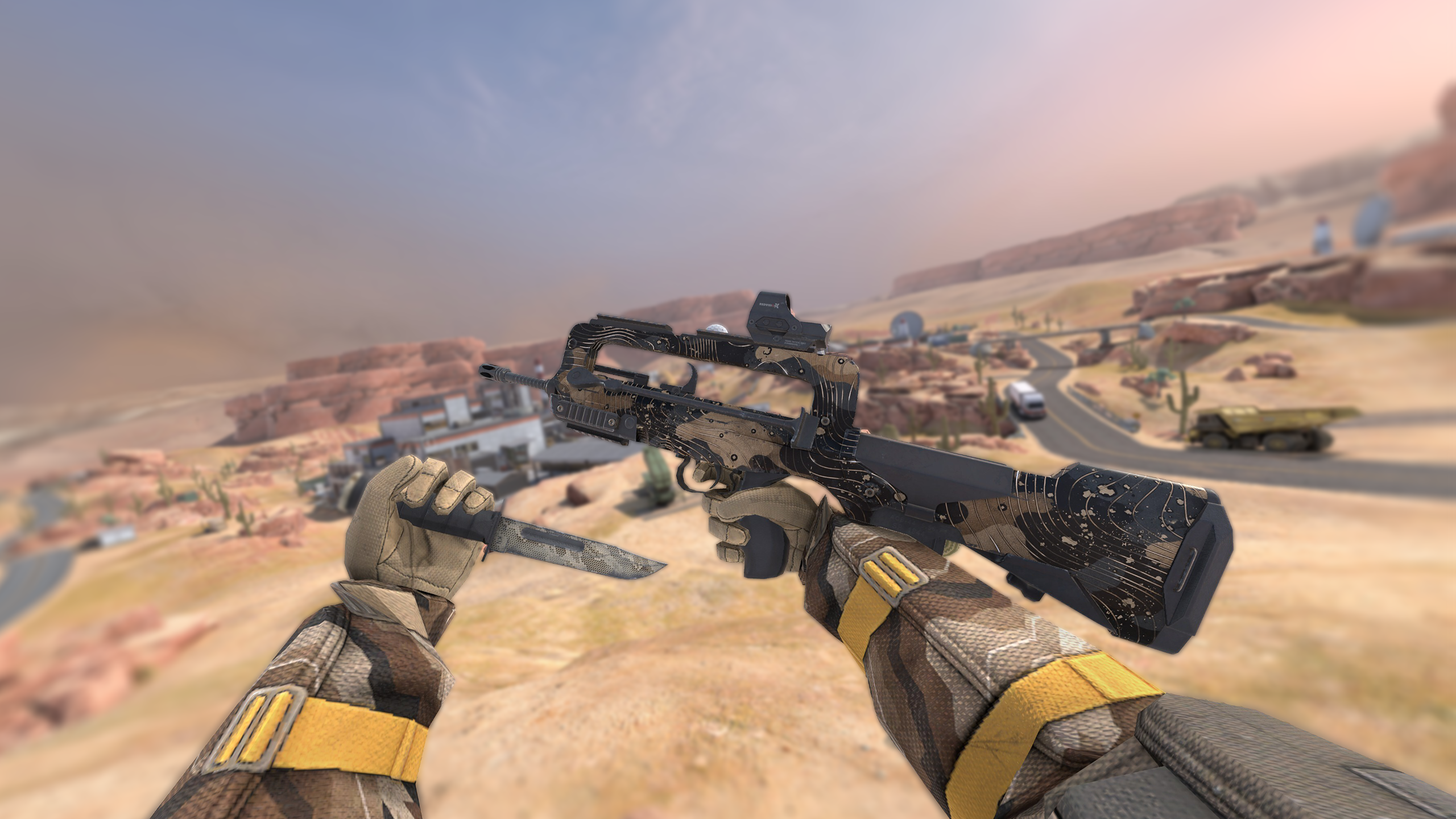
The update also introduces the FMS rifle and Forefront’s first melee weapon, a knife, both unlocked through Operation: Sandstorm. Knife users move faster, and a knife kill earns extra score, prevents the victim from being revived and supplies ammunition to the player who made the kill. That is a compact set of advantages: the knife changes movement and can affect the opposing team’s ability to recover a fallen player, while also helping its user stay supplied.
The rules give close-range encounters a distinct role in a shooter otherwise centered on firearms. They also make the knife more than a cosmetic addition, since choosing it has consequences during a match. The update adds bHaptics support for TactSuit vests, TactSleeve and TactVisor devices, extending support for players using those haptic accessories.
Combat, interface and stability changes
Version 7.0.171 adds weapon-specific movement penalties while firing, with SMGs slowed less than LMGs, and FMS gun mastery. The movement change gives weapon class a more direct effect on how players reposition under fire. The game now remembers whether the laser is enabled after a respawn, so players don’t have to restore that setting each time they return to the match.
Fixes address the Qilin reload animation, LMG fire-rate discrepancies and players being teleported after colliding with friendly vehicles. These are different kinds of problems, but each can disrupt the player’s sense of control: a weapon animation or firing rate that behaves incorrectly affects combat, while unexpected movement after a collision interrupts the match itself.
Other changes include server performance and bandwidth improvements, better voice chat error handling, improved foveated rendering on Steam Frame, and fixes for loadouts that failed to save between matches. The patch also resolves issues involving grabbed equipment, controller rebinding, party kicks, onboarding, respawns and voice restrictions. That is a broad maintenance pass. Its practical value will show up in whether common actions behave more consistently across a full session.
Gadget fixes cover drone spotting, Spawn Beacon controls, C4 kills and damage interactions, and Stim behavior. Vehicle changes address jet crash audio, shots passing through the Little Bird to hit its pilot, and moving unoccupied vehicles that stutter. Map fixes target stuck players, gaps, holes and floor issues across Karst, Fjord, Oasis and other maps, along with idle vehicle damage on Paradise.
The number of areas touched suggests the patch is doing two jobs at once: adding visible content and correcting friction across existing systems. And yet. A long fix list is useful only if players encounter fewer of these problems in actual matches.
What the update means for players
The loadout menu now includes a melee weapon slot and lets players choose character and vehicle skins. Players can also sort the My Soldier view by unlock requirement, making it easier to see what remains available to earn. These interface changes connect directly to the new rewards and equipment, reducing some of the work involved in managing them.
For players, Operation: Sandstorm’s strongest case is its combination of a new objective mode, a distinct close-range weapon and a more organized progression path. The update also addresses a wide range of technical and gameplay issues, though the release notes alone can’t show how much those fixes change day-to-day play. The test will be whether Breakthrough and the challenge track stay engaging after the initial novelty fades.
Forefront is available on Quest, Steam and Pico; the game is scheduled to arrive on PlayStation VR2 on November 5. For anyone already playing, the update offers several new ways to spend a match. The lasting draw will depend on how well those systems hold up in regular rotation.


Discussion
Sign in to join the discussion.