Quest 2 and Quest Pro will stop receiving new features after January 2027, while security patches and critical fixes continue through year-end.
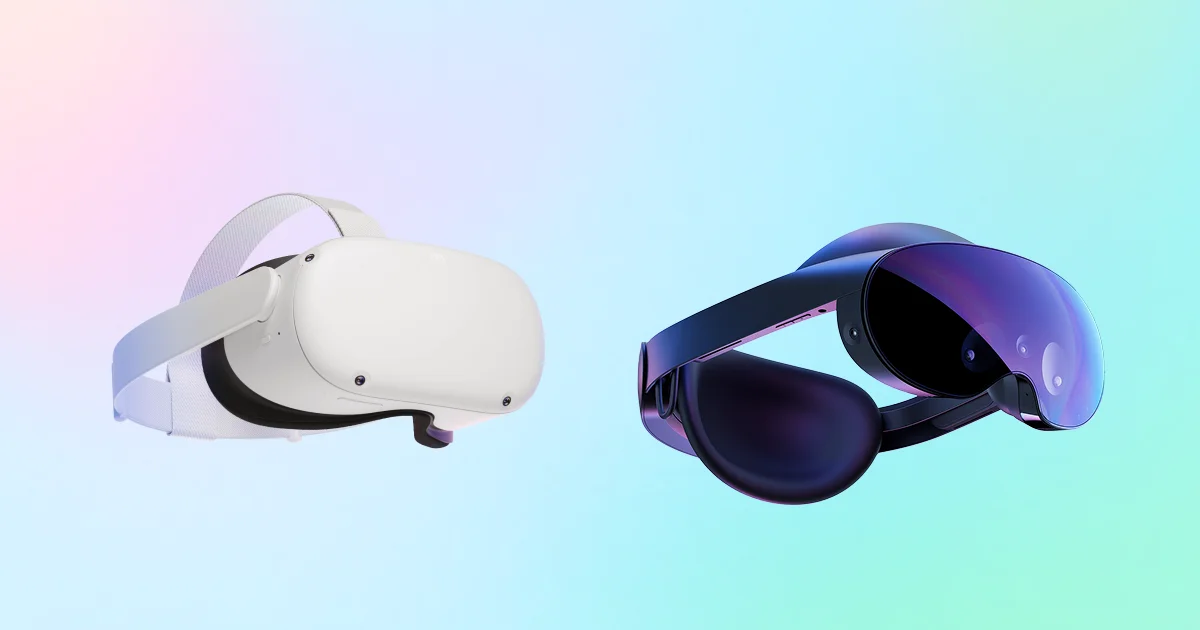
Meta’s support change for Quest 2 and Quest Pro gives developers a clear deadline to plan around: the headsets will stop receiving new platform features in 2027, but existing apps and games will remain available for users for now. The shift also marks a turn toward newer hardware, including devices with different form factors.
What changes in 2027
Horizon OS 2.13, scheduled to start rolling out in January 2027 and reach all devices by March, will be the final operating system release for both headsets. Meta VR OS SDK v213 will likewise be the last supported SDK version.
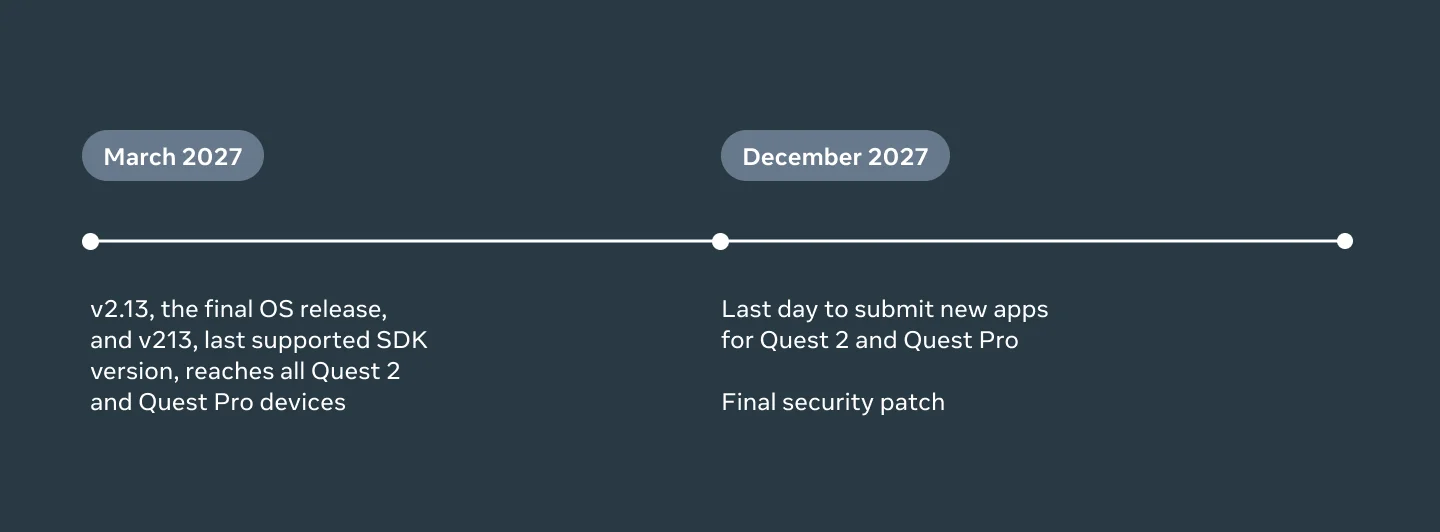
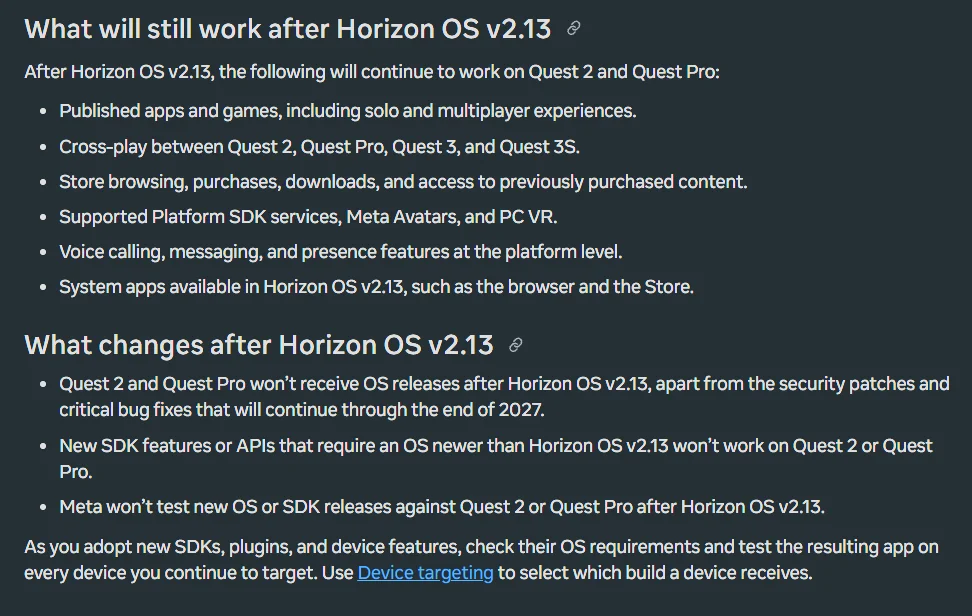
After those releases, new OS features, platform capabilities and APIs will be limited to Quest 3, Quest 3S and later devices. Meta also won’t test subsequent operating system and SDK releases against Quest 2 or Quest Pro. Quarterly security patches and critical bug fixes are scheduled to continue through the end of 2027.
For users, the cutoff doesn’t immediately remove access to the store or existing software. Quest 2 and Quest Pro owners can continue finding, buying, downloading and playing apps, and can join multiplayer sessions with Quest 3 and Quest 3S users when a game supports cross-play.
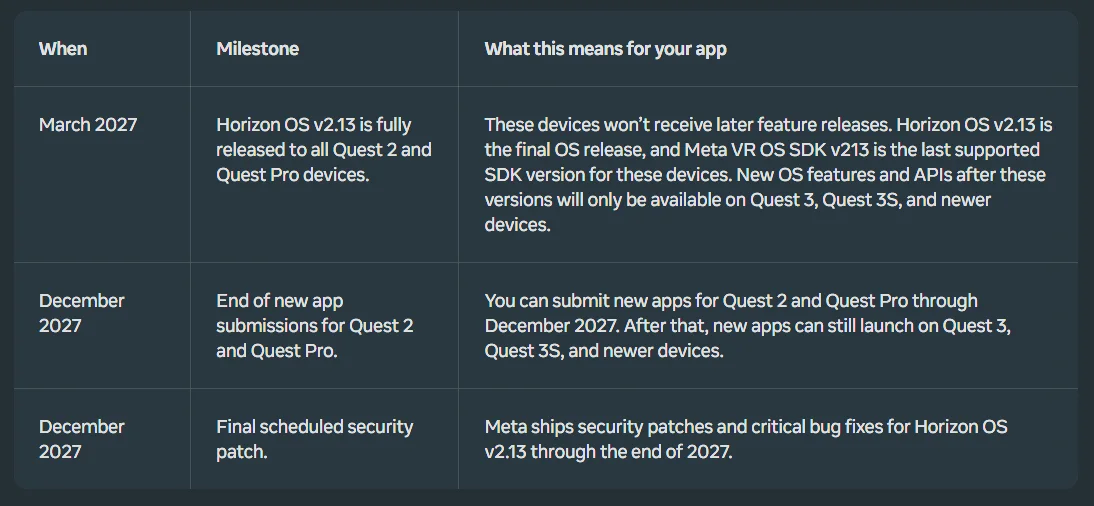
Developers can keep updating their apps, though Meta will accept new app submissions for the two headsets only through December 2027. If a developer plans to end support in a way that would cut off content or an essential service, users must receive at least 180 days’ notice. Device targeting can also help teams preserve a final build for older hardware, or remove an app from sale on those devices through the submission flow.
Two headsets with different legacies
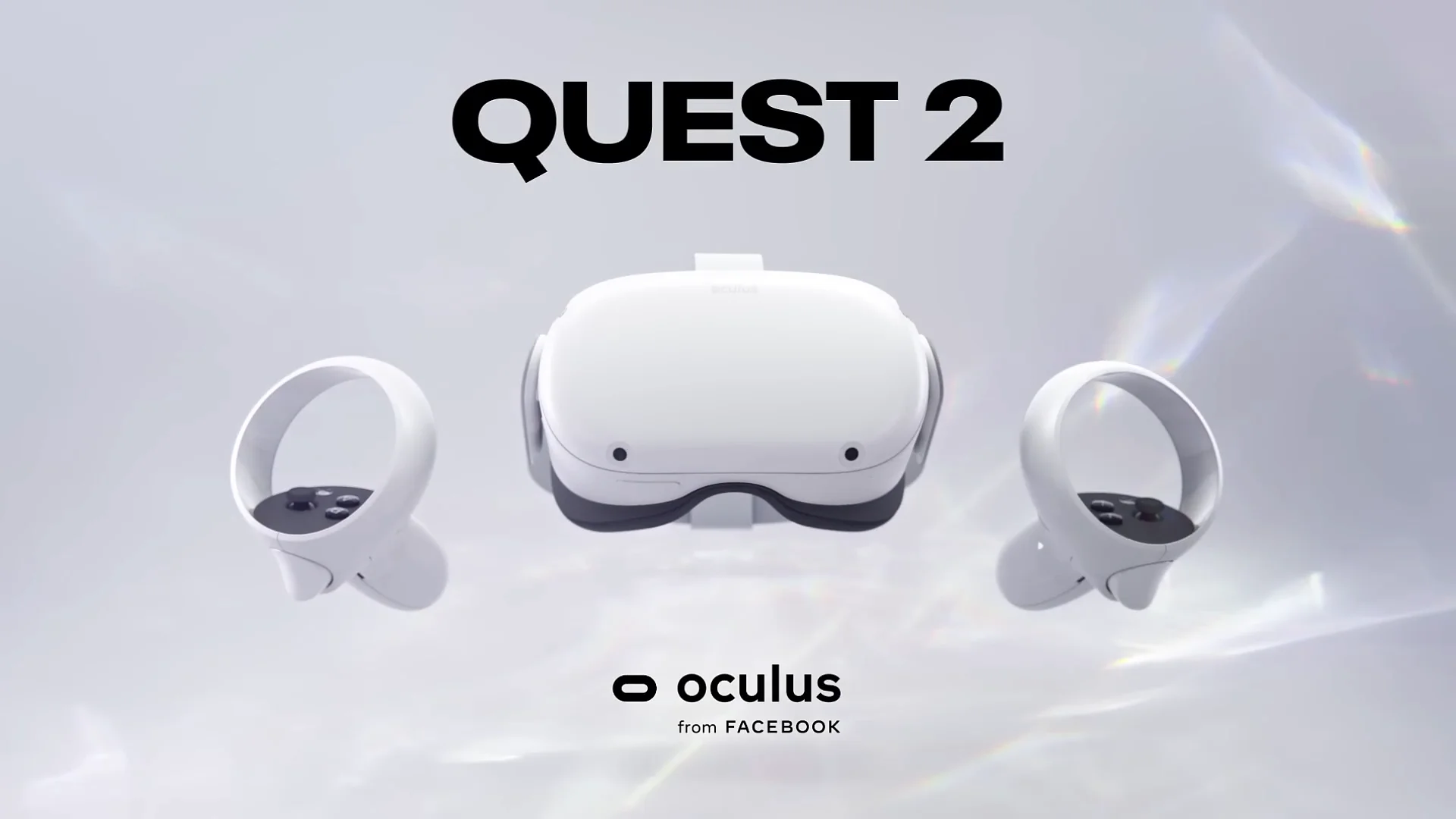
Quest 2 arrived in October 2020 as a $300 successor to the original Oculus Quest, pairing a more powerful chipset with a higher-resolution display. It became one of the first VR headsets to find broad commercial traction: within six months, it had outsold all its predecessors combined. An internal presentation indicated that Meta had sold nearly 20 million Quest headsets by March 2023.
 David Heaney
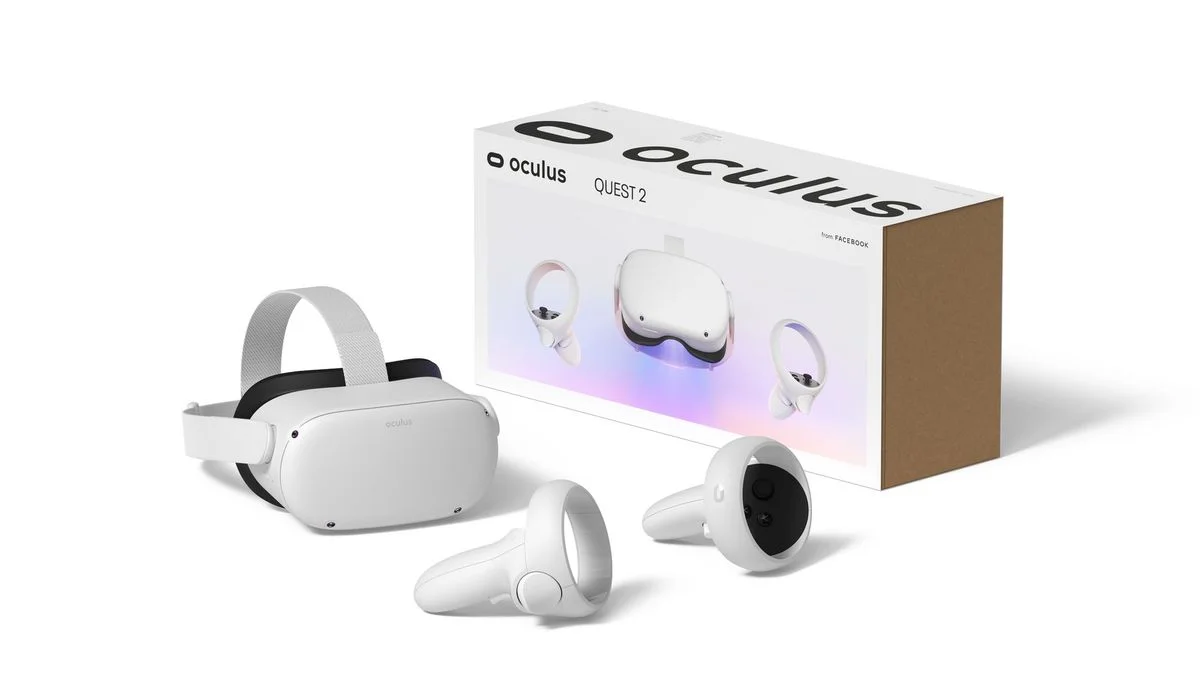
Quest 3 took over as its direct successor in October 2023, starting at $500. A year later, Quest 3S brought the newer headset’s chipset and mixed reality features to a $300 starting price, while retaining Quest 2’s optics and displays. Meta announced plans to wind down sales of Quest 2 and Quest Pro at Meta Connect in September 2024, alongside Quest 3S.
Quest Pro followed a different path. Launched in October 2022, it brought pancake lenses, QD-LCD displays with Mini-LED local dimming, eye and face tracking, and ringless self-tracking Touch Pro controllers. Its $1,500 launch price put it far above Quest 2, and Meta cut the price to $1,000 just four months later.
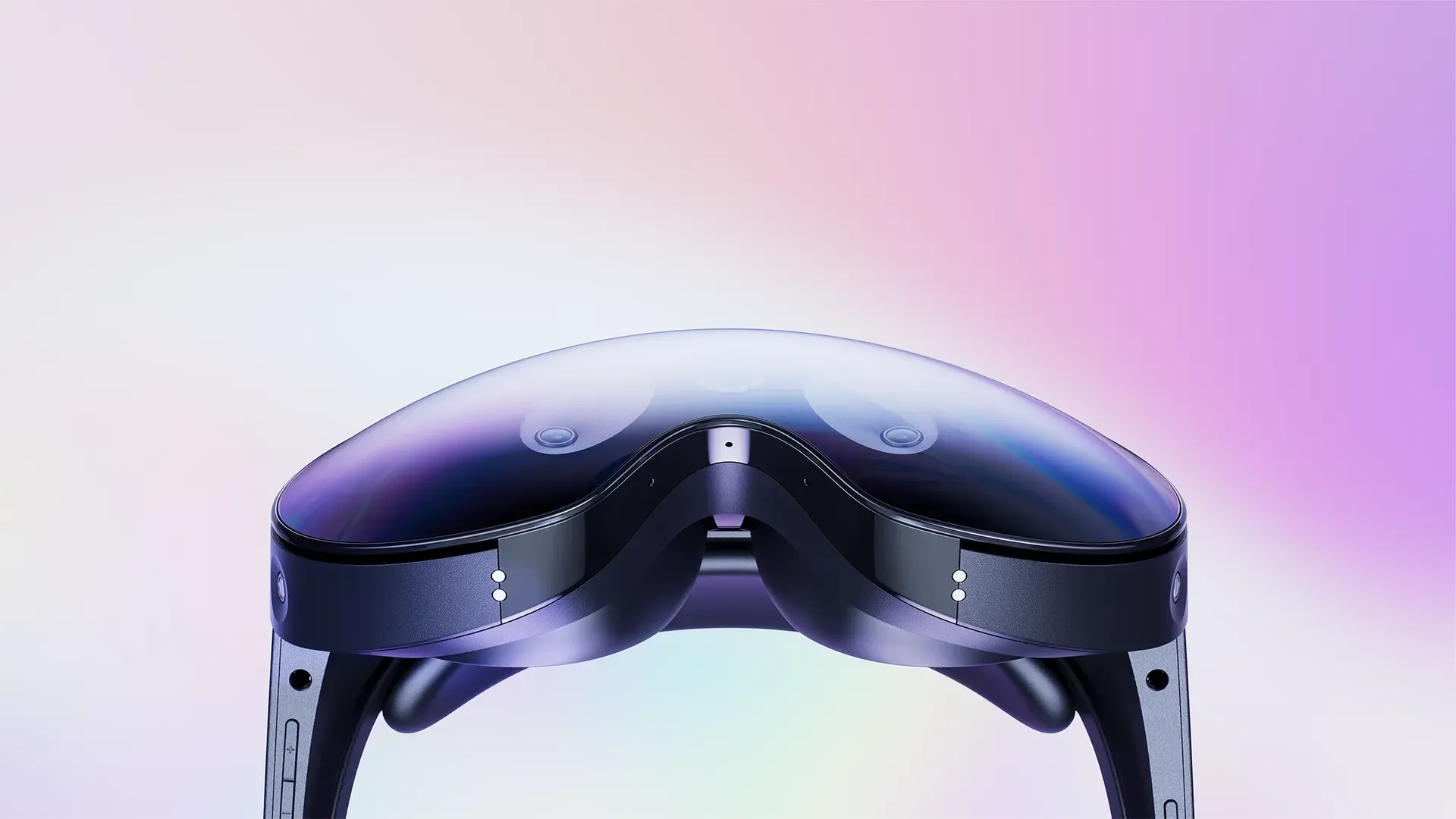
Quest Pro was technically ambitious, but its position weakened as leaks pointed to Quest 3 arriving a year later with a GPU twice as powerful and a lower price. Reports also said Meta canceled a planned 2027 successor, codenamed La Jolla, over cost concerns and shifted attention to a smaller, lighter device.
 David Heaney
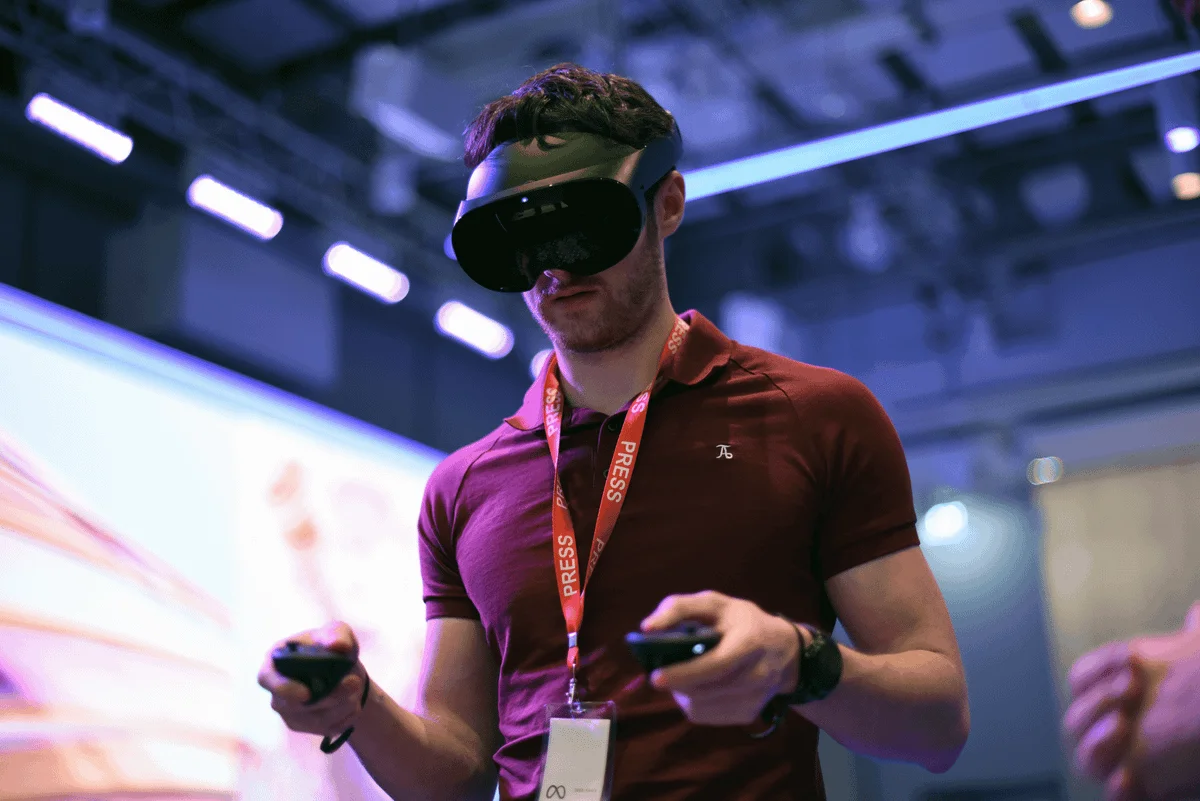
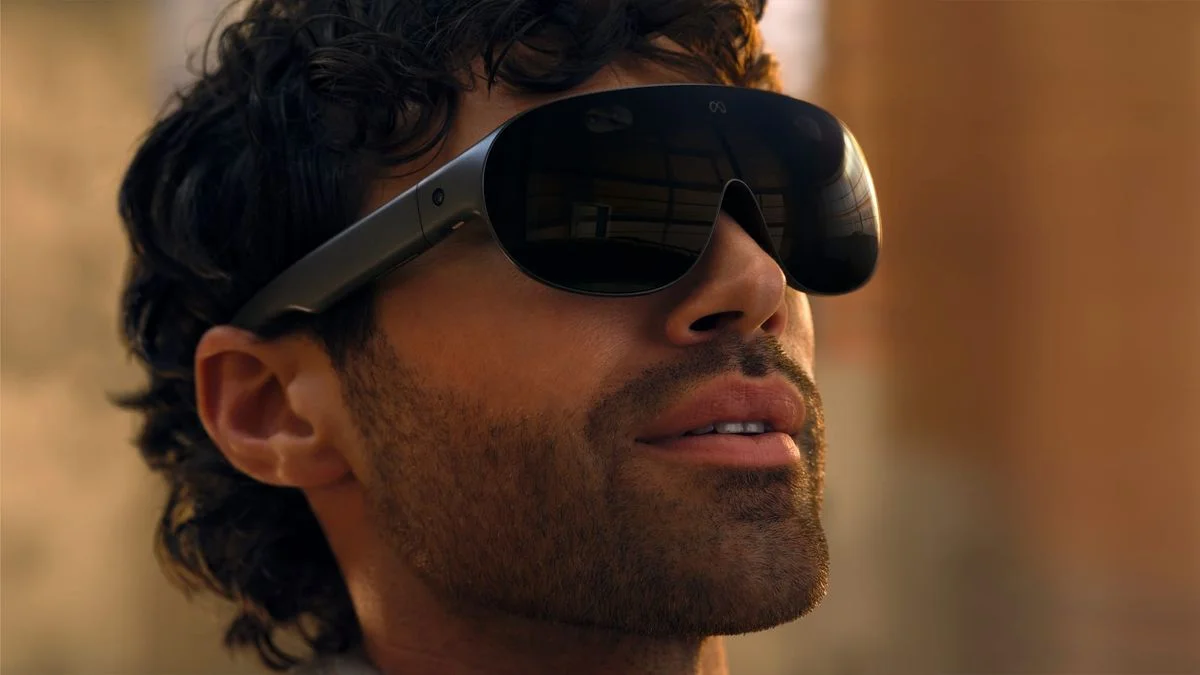
Meta has since announced Meta VR Glasses, planned for spring 2027 at $1,300. The company says they will use 2.4K micro-OLED displays, weigh 100 grams and run from a tethered puck powered by Qualcomm’s Snapdragon Reality Elite chipset.
 David Heaney
A familiar wind-down, with a longer runway
Meta’s staged retirement of Quest 2 and Quest Pro echoes its earlier phaseout of the original Quest. The 2019 headset stopped receiving OS updates with version 50 in February 2023. Meta barred new app submissions from May 2024, ended security updates and bug fixes that August, then stopped allowing developers to include Quest 1 support in app updates from January 2025.
 David Heaney
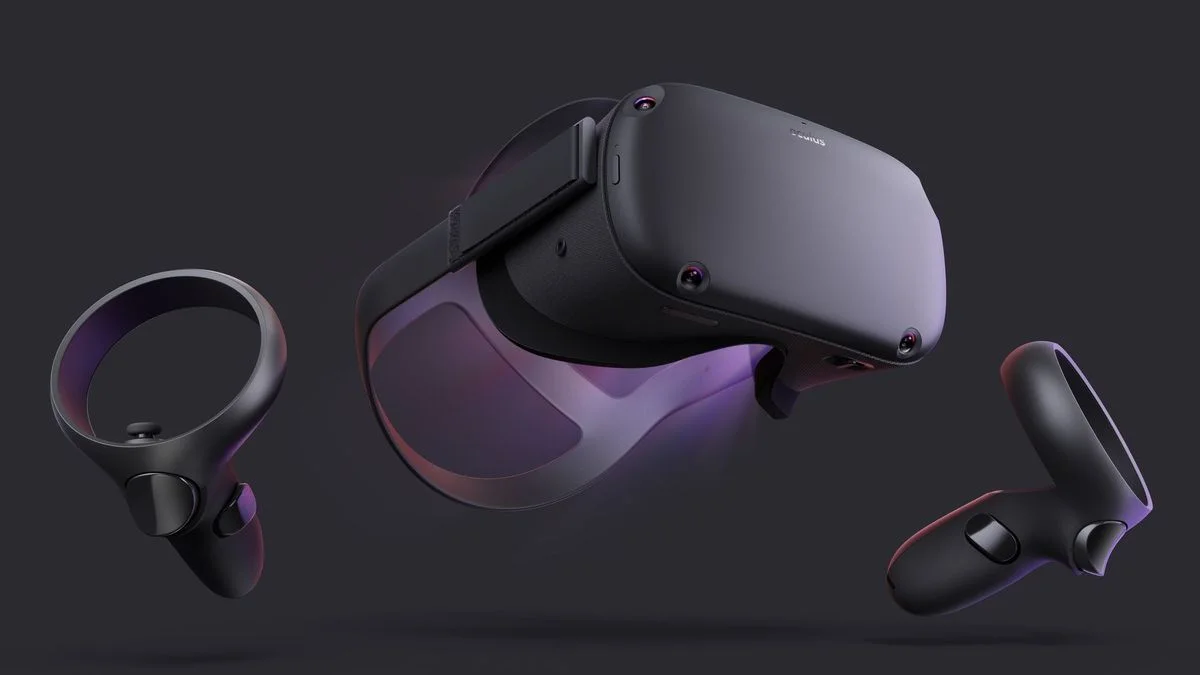
Quest 2’s long run helped establish standalone VR at scale; Quest Pro tested how far Meta could push a premium headset. Their end-of-feature dates now give developers a defined window to maintain older apps while Meta’s next hardware generation takes shape.



Discussion
Sign in to join the discussion.