Ultimechs will cease multiplayer operations and be delisted from VR platforms on October 20, 2026, transitioning to a single-player experience.
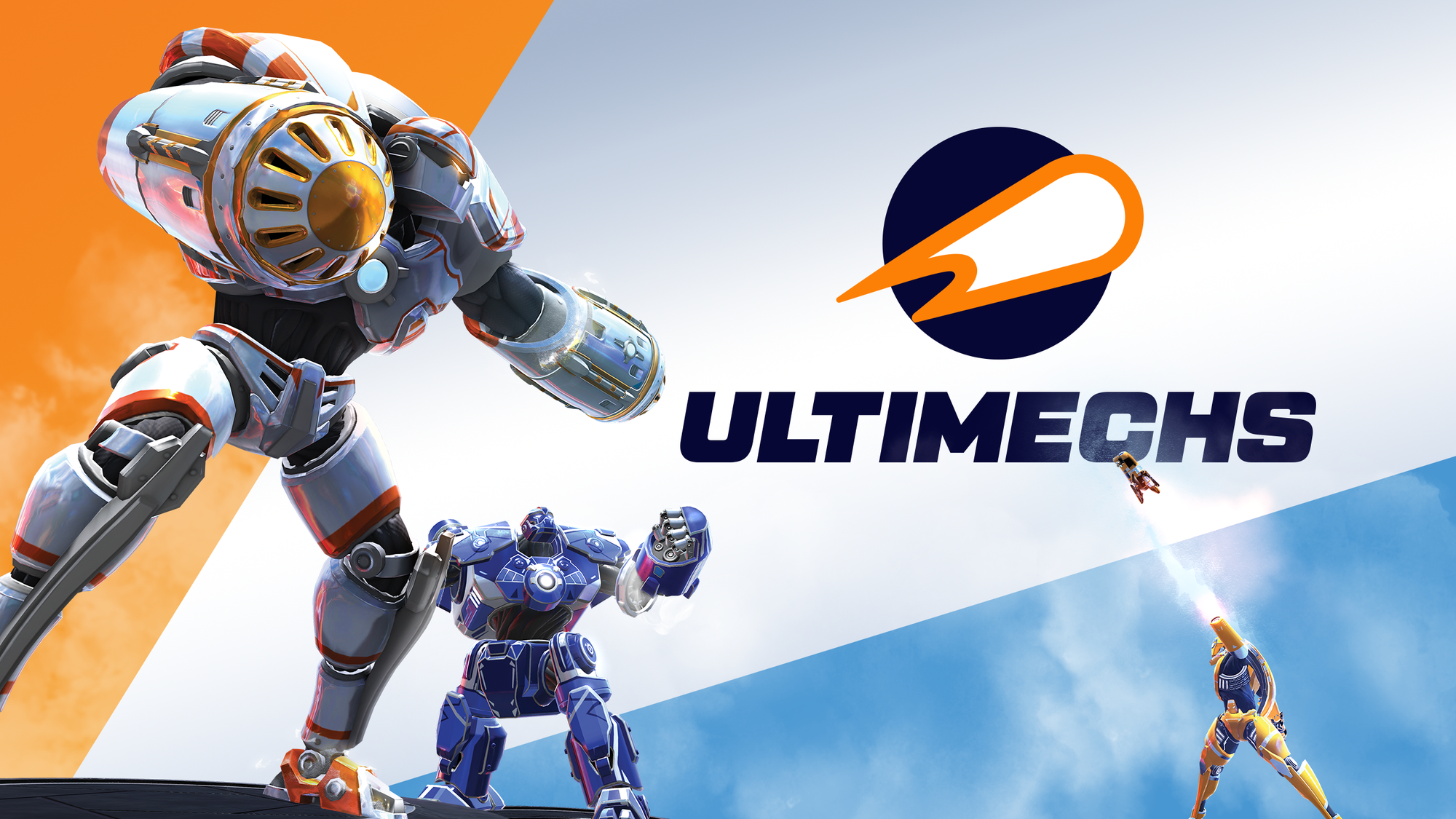
Resolution Games has confirmed that its arena sports game, Ultimechs, will be removed from all virtual reality platforms on October 20, 2026. This decision includes shutting down all multiplayer services, meaning players will only be able to enjoy the game in single-player mode moving forward.
In an announcement shared on Steam, the developers expressed their gratitude to the player community:
“We want to let our players know that we’ll soon be retiring online multiplayer support for Ultimechs and will transition the game to a single-player-only experience. You’ll still be able to jump into the arena and enjoy Ultimechs in single-player mode after multiplayer services end on October 20, 2026.The game will also be delisted from the Steam Store on that date, along with the Ultimechs Spectator feature. Users won't be able to make in-app purchases, but they can still spend any existing UltiCoins they've already acquired.
Game Overview and Player Reception
Ultimechs debuted as a free-to-play title in September 2022, inviting players into a competitive environment where they could engage in fast-paced matches that evoke comparisons to wildly popular games such as Rocket League. It provided an engaging experience with a robust selection of three distinct mech types, each designed with unique characteristics and abilities that players could learn to master. The combination of free and paid battle pass options allowed for cosmetic enhancements, giving players a degree of customization that adds to the overall allure of the gameplay.
This game's entry into the market has generally been well-received, with a commendable 4.2 rating from 767 reviews on Quest, alongside a 'Very Positive' rating from 153 reviews on Steam. These ratings indicate a healthy engagement from a dedicated player base—vital for a title aiming to sustain a vibrant multiplayer community. Player notes often highlight the experience's intuitive mechanics and the exhilarating matches, but as time went on, the challenges for the game's multiplayer functionality began to surface.
The Trend of VR Game Retirements
Ultimechs isn't standing alone in this trend. The multiplayer VR ecosystem is facing a wave of game retirements in 2026, joining titles like Rec Room and Hyper Dash, among others. As the multiplayer genre experiences growing pains, especially in the VR segment, retaining an active user base has become increasingly difficult. Dwindling participation rates often push developers to contemplate the financial viability of sustaining servers for multiplayer experiences, especially given the current economic climate's pressures.
The industry's worries are legitimate. There's a dropoff in active users, and maintaining multiplayer platforms amid rising operational costs can turn into a logistical nightmare. Developers who once dreamed of creating lasting multiplayer titles are now left scrapping or shifting resources, focusing solely on single-player content that, while significant, often lacks the community engagement multiplayer options provide. It’s a tough pill to swallow for patients who invested in these ecosystems just a few short years ago.
Challenges in Multiplayer VR
Operating multiplayer servers incurs significant costs; hiring the right talent, maintaining infrastructure, and ensuring a consistent player experience are just the tip of the iceberg. As player numbers dwindle, this financial burden grows increasingly unbearable. Developers are reassessing whether they can justify the expenses associated with multiplayer gaming infrastructure for a shrinking player base. The trend indicates that studios must balance their capability to provide thrilling multiplayer options against harsh economic realities, which isn't a simple decision to make.
What this translates to is a rather bleak outlook on the multiplayer segment of VR gaming. If you're working in this space, understanding these operational challenges is essential. You might find that the dream of creating long-lasting, interconnected communities is clashing head-on with the economics of running a viable business in today's market. Developers must grapple with sustaining player engagement, resulting in frequent decisions to limit or eliminate multiplayer features entirely, which doesn’t do much to foster long-term loyalty.
Future Outlook: The Path Ahead
Looking ahead, the retirement of Ultimechs raises profound questions about the future of multiplayer VR gaming. With so many titles shifting to single-player modes, the void of cooperative or competitive experiences could have repercussions for player engagement. The experience of community and shared challenges is integral to what draws many gamers to multiplayer formats, and as VR continues to develop, the challenge will be in rekindling that essence without overextending resources in financially unstable environments.
Players and developers alike will have to adapt. For players, it may mean a greater focus on single-player experiences that still deliver engaging gameplay and mechanics, while developers will need to innovate in ways that sustain player interest without requiring vast infrastructure investments. (And this is the part most people overlook.) Multiplayer might still hold potential, but it's likely to evolve into something different—perhaps smaller, more niche communities or unique, temporary multiplayer events rather than ongoing, robust ecosystems. Competing fervently in this sector could mean adjusting strategies to fit a community's shifting needs rather than clinging to outdated business models.
Discussion
Sign in to join the discussion.