The upcoming VR series "Coltrane," featuring a former detective's dark journey, promises to redefine interactive storytelling in virtual reality.
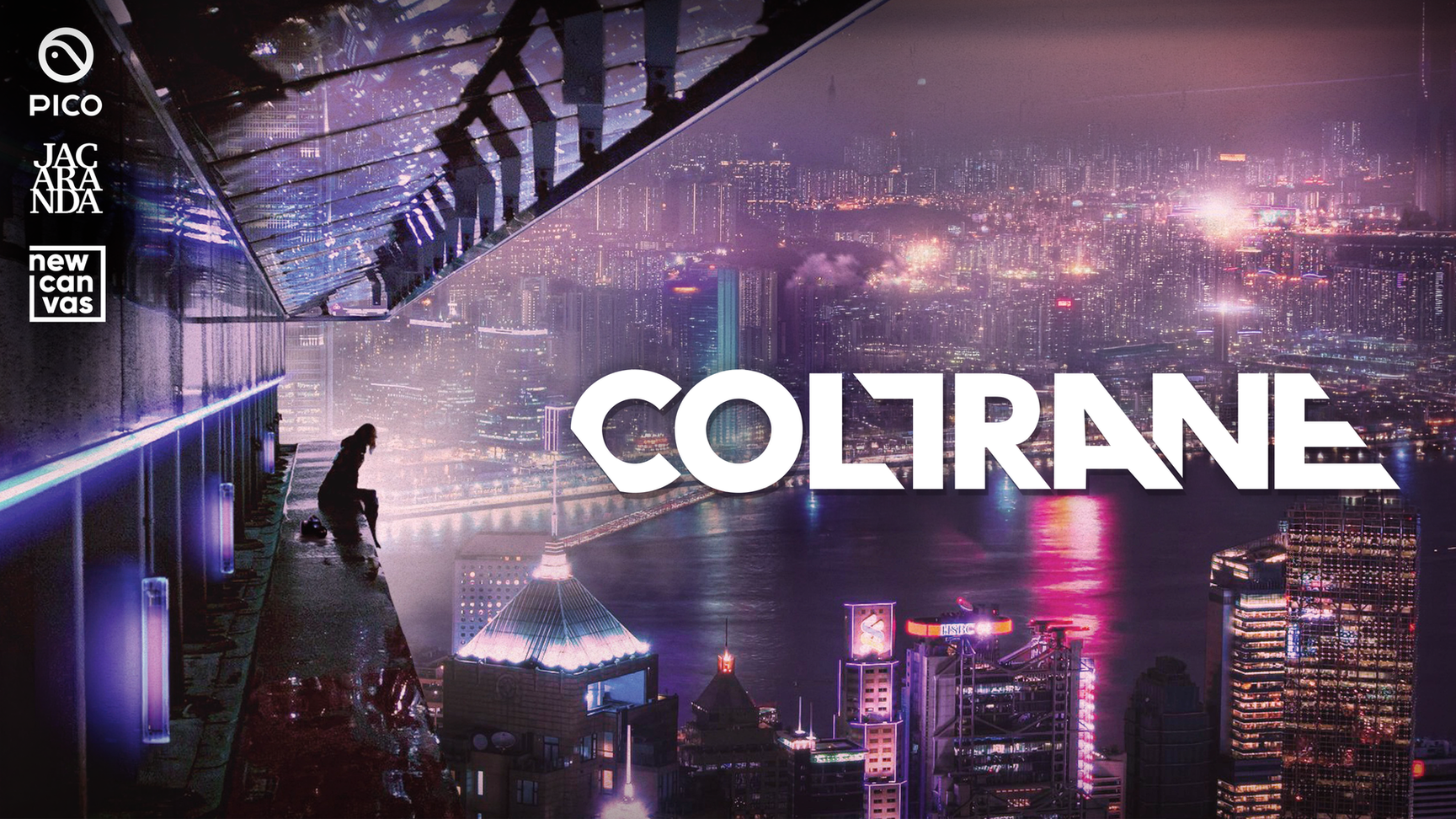
Coltrane is set to debut as a five-episode VR series produced by New Canvas, Jacaranda Productions, and Pico, continuing the narrative established in 2016's VR Noir.
The Return of Veronica Coltrane
Following the journey of Veronica Coltrane, a disgraced ex-SFPD detective turned private investigator, this series navigates a web of conspiracy stemming from a surveillance job. Set against the vibrant backdrop of Hong Kong, each of the five episodes runs approximately 15 minutes, combining live-action performances with real-time immersive environments. The result? A unique narrative experience that might attract both VR enthusiasts and those unfamiliar with this medium.
The character of Veronica Coltrane first emerged in VR Noir, which aimed to pioneer the blend of cinematics and interactives in virtual reality. Coltrane's world is rich with intrigue, which provides fertile ground for storytelling. And as VR technology continues to mature, this next chapter could serve as a case study for how developers can balance narrative depth with an immersive user experience.
A Glimpse Back at VR Noir
Originally launched in 2016, VR Noir: A Day Before the Night was one of the early efforts to meld cinematic storytelling with interactivity in the virtual realm. It achieved over 500,000 downloads across platforms like Samsung Gear VR and Google Cardboard. Those download figures were not just a sign of popularity; they marked a surge of interest in VR as a storytelling medium. Back then, the technology was still in its infancy, attempting to find a solid ground among gamers and filmmakers alike.
The groundwork laid by VR Noir provided fertile soil for ambitious projects like Coltrane. Early adopters didn’t just get a taste of a novel experience; they opened a dialogue about the importance of narrative in VR, something often overlooked in favor of gameplay mechanics. This evolution is especially relevant today as more creators, inspired by pioneers, attempt to figure out how to keep users engaged over longer periods, especially when each episode runs about 15 minutes. The episodic format makes accessibility easier for newcomers while also satisfying the craving for storytelling without a significant time investment.
 James Tocchio
The Vision Behind Coltrane
Nathan Anderson, co-founder of New Canvas and previously involved with VR Noir, serves as showrunner for Coltrane. He emphasizes that this new series represents a chance to further explore the themes found in its predecessor. There's something intriguing about a creator who relishes the opportunity to revisit concepts from earlier works. It suggests a commitment not only to story continuity but also to the growth of the medium itself.
Anderson remarked, "When we released VR Noir in 2016, I described my career quest as finding the convergence of storytelling, game design, and interactivity. Ten years later, that's still the quest." This reiteration of foundational goals speaks volumes. It hints at the ongoing struggle to achieve a balance in VR, where narrative and gameplay are not seen as mutually exclusive but as complementary aspects of a potent experience. This devotion is refreshing—especially in an industry often fickle about perceived trends in technology.
The Growing Importance of Immersive Video
Immersive video plays a significant role in the VR space, with recent titles like Starclash and Finding Frida pushing boundaries and expanding perceptions of VR experiences. Specifically, these titles have highlighted various ways interactive storytelling can influence emotional engagement, a vital element for keeping an audience captivated.
Coltrane aims to occupy a similar space. If you're working in this space or simply a fan of VR, you'll recognize that a compelling narrative combined with immersive visuals can create experiences that linger long after the headset is removed. But can Coltrane generate the same buzz as its predecessor? That's a question only time can answer.
Implications for the Future of VR Storytelling
Coltrane is expected to launch on unnamed VR platforms in the near future. This is a strategic choice, as it opens doors to potential collaborations and broader audiences. It raises questions like: Are we witnessing a shift towards episodic storytelling in VR? Will more developers follow suit by adopting a similar model, where brevity enforces narrative precision and user engagement?
What this means for you—if you're a consumer, developer, or even a casual observer—is that the future of VR storytelling could hinge on projects like Coltrane. Its ability to not only captivate through its plot but to also explore the potent intersection of narrative and interactivity could set a precedent for how VR develops over the next decade. The stakes are high, and the audience is watching closely.
Discussion
Sign in to join the discussion.