The Muse AI agent from Meta is nearing release for smart glasses, streamlining tasks like booking appointments and making purchases hands-free.
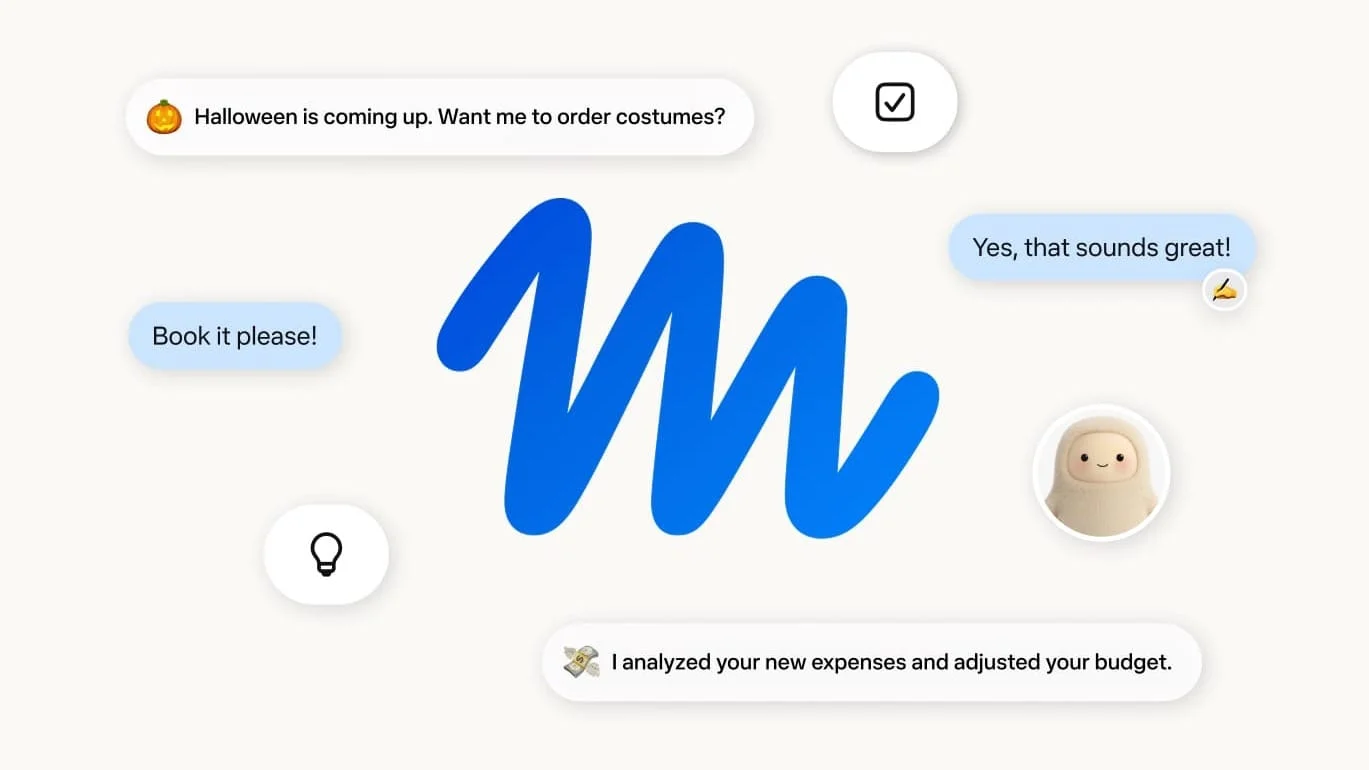
Meta is gearing up to integrate its Muse AI agent into smart glasses, promising a more efficient way to manage everyday tasks without relying on a smartphone. This development aims to allow users to execute actions by voice command, keeping their devices tucked away. The shift reflects a broader trend in tech where hands-free solutions are becoming increasingly desirable. As voice command becomes more sophisticated, the need to interact with traditional devices could wane. For many, that’s a welcome change.
Muse, launched earlier this month, has already made a splash on the iPhone App Store, quickly climbing to the top of download charts. Users and analysts alike have praised its functionality, which extends beyond standard chatbot capabilities to actually performing various tasks. The rapid adoption signals a growing appetite for AI that is more engaging and capable than previous iterations. It's as if users are now expecting their digital assistants to manage their lives rather than just respond to queries.
Technical Overview
At its core, Muse operates on the Spark AI model and runs on a durable Linux virtual machine in the cloud. This setup features a dedicated web browser, filesystem, and terminal that remains active, independent of whether the app is currently running. This autonomy enables Muse to execute tasks like coding, managing workflows with subagents, and automating scheduled jobs. It’s capable of creating documents, interactive tools, and more.
The technical foundation is noteworthy and speaks to the challenges involved in providing a reliable and adaptable service. Traditional applications often require user interaction to function effectively, but Muse’s design allows it to work autonomously. This means users may soon expect their AI not just to respond, but also to proactively manage tasks they might forget—or simply not have time for.
Consumer-Focused Features
Distinguished from other AI agents aimed primarily at professionals, Muse is designed with consumer needs in mind. It boasts a user-friendly interface paired with an avatar that reflects its approachable branding. The platform can help book travel, send emails, fill out online forms, and even make purchases through websites. Muse can tackle complex tasks, such as negotiating bills or facilitating car sales, and can communicate via phone calls as needed.
This tailored approach to consumer functionality is interesting. Most AI offerings focus on business applications or work automation, leaving a gap in the consumer space. Here’s the thing: if Muse succeeds in providing genuine everyday assistance, it could fundamentally reshape how consumers interact with technology. It’s that blend of utility and accessibility that might entice even the most reluctant users to embrace this tech.
The AI employs Stripe’s Link to handle payments, generating virtual single-use cards to ensure that personal banking details stay secure. Future support from services like Shop Pay and 1Password is also on the horizon. This focus on security is important; as consumers grow more aware of data privacy risks, solutions that prioritize safety will become essential, creating a competitive edge for companies that get this right.
Smart Glasses Capabilities
For smart glasses specifically, users can expect Muse to assist with a variety of activities, including booking appointments, comparing flight prices, logging meals, and even providing workout recommendations. Activation is straightforward—simply say “Hey Muse” followed by your request, and Muse will work behind the scenes to complete the task. The idea of interacting with virtual assistants through eyewear is exciting, but it raises questions about practicality. Can everyday users feel comfortable talking to their glasses in public? Or will it be limited to private settings?
And yet, the potential for smart glasses could transform daily activities. Consider a scenario where a user can order coffee or check traffic conditions just by speaking naturally. That’s convenience—but will it be truly transformative? It depends on how seamlessly these features work. Users won’t tolerate lag or misunderstandings. They need a system that feels intuitive, not cumbersome.
Privacy and Accessibility
While Meta has assured that Muse's data won't be used for advertising purposes, it may be utilized for training future models unless users opt out. Although the current Linux VM environment is isolated, Meta retains the ability to access it. However, a Confidential VM option, which restricts Meta’s access altogether, is expected to launch later this year. This raises significant privacy issues; as AI systems grow, what users are willing to sacrifice for convenience must be at the forefront of design discussions.
If you're working in this space, understanding the balance between functionality and privacy will be key. Users want tools that make their lives easier, but they also desire assurances that their data isn’t being exploited. How effectively Meta addresses these concerns could dictate the success of Muse, not just for this application, but for future initiatives as well.
Launch Timeline
Meta has indicated that Muse will roll out on smart glasses within the next few months. Notably, during the Connect 2026 event, CEO Mark Zuckerberg hinted at an even sooner release, with CTO Andrew Bosworth echoing this sentiment of urgency. The quick timeline shows Meta is committed to maintaining momentum in a crowded marketplace.
Future Outlook and Significance
The potential implications of Muse stretching across different devices could be far-reaching. As consumers increasingly look for integrated, hands-free solutions, the technology behind Muse may set a new standard. It remains to be seen how effective this will be when it actually hits the market—and whether users will feel comfortable adopting it widely. If successful, Muse could redefine how we engage with our devices, pushing toward a future where AI becomes a standard part of our daily routines rather than an additional layer of complexity.
So, will Muse become indispensable? If the rollout is smooth and the features resonate, it just might. Tech enthusiasts will be watching closely, eager to see if the reality matches the vision.
Discussion
Sign in to join the discussion.