Asus’s $1,299 ROG Xbox Ally X20 pairs a 7.4-inch OLED screen with updated controls and cooling; an AR glasses bundle costs $2,499.
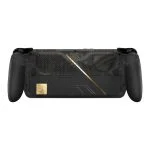
Asus is positioning the ROG Xbox Ally X20 at the premium end of handheld gaming: it’s now available for $1,299, with a 7.4-inch OLED Nebula HDR display, variable refresh rate support and AMD’s Ryzen AI Z2 Extreme processor. The launch marks ROG’s 20th anniversary. Those details frame the X20 as a high-end update built around a more ambitious screen and processor, rather than a basic refresh of the standard Ally models. That distinction matters in a category where buyers weigh display quality and performance against price, portability and how often they’ll actually play away from a desk.
Hardware and controls get an update
The X20’s translucent black shell has gold accents, while revised cooling brings a slightly larger heatsink and what Asus describes as a modest airflow increase. The cooling changes are restrained by the company’s own description, so they’re best read as an adjustment to the thermal design rather than a promise of a dramatic performance shift. In a handheld, heat management has practical consequences: the processor, cooling system and enclosure all have to work within a compact space, and a change to one can affect how the device feels and performs in use.
Controls include magnetic TMR joysticks, a D-pad that toggles between four-way and eight-way input, flush face buttons and haptic impulse triggers. These features address different parts of play: stick response, directional input and the physical feedback that helps make controls feel distinct. The option to switch the D-pad’s input mode is especially useful in principle, since games don’t all make the same demands of directional controls. Still, a specification sheet can’t settle the key question of comfort. Button placement and grip matter over long sessions, and buyers will need hands-on time to judge how the revised layout works for them.
Asus is also selling a $2,499 bundle with ROG XREAL R1 Edition AR glasses, a dbrand Killswitch case and a Pelican hard case. The glasses feature a 240Hz micro-OLED panel, a 57-degree field of view and native 3DoF tracking. That bundle turns the purchase into more than a handheld upgrade: it adds a separate display experience and two protective cases, each aimed at a different part of ownership. The standard ROG Xbox Ally and Ally X remain on sale, giving shoppers other points of comparison within Asus’s lineup.


Software adds power and travel controls
Armory Crate Special Edition adds Default Game Profile 2.0 for quick wattage adjustments and Travel Mode, which caps charging at 65W. Users can remap shortcut keys, choose Native or Vivid HDR profiles, and opt into a channel for preview features. In practice, these settings give owners more control over power and display behavior, while preview features offer access to software still under development. The trade-off is familiar: more tuning can help tailor a device to a game or situation, but it also asks the owner to spend time managing settings.
A 65W charging cap is a specific constraint, but the source doesn’t describe its effect on charging time or battery life. That distinction matters. A power limit by itself doesn’t tell buyers how long a charge will take, or how the device behaves when it’s being used and charged at once. Asus is presenting Travel Mode as a control for travel use; its value will depend on the needs of the person carrying the handheld and the way they use it.
Price and the case for the bundle
At $1,299, the X20’s OLED panel and newer processor are the main draws, while the $2,499 package adds a substantial accessory cost. The choice comes down to whether the glasses and protective cases justify the steep step up from the standalone handheld. That’s a large premium for a bundle whose appeal depends on wanting every included item, particularly the AR glasses. A buyer interested mainly in the handheld may find the standard configuration easier to assess; someone who already wants a wearable display and travel protection may see more value in the package.
This is more significant than it looks: Asus is asking buyers to judge a handheld as part of a wider setup, not just as a portable console. The XREAL glasses’ listed refresh rate, field of view and tracking describe their capabilities, but don’t establish how comfortable or useful they’ll feel in everyday play. Nor does the bundle price show how much each accessory contributes to the total. Here’s the thing: the extras only make sense if you’ll use them. Otherwise, they turn a premium device into a much more expensive purchase.
What the launch signals
ROG’s 20th anniversary gives the launch a milestone framing, while the product itself makes a case for spending more on a handheld through its OLED display, processor and revised controls. The specifications are appealing, but they leave some practical questions unanswered, including real-world performance, battery endurance and comfort. Those are the details that decide whether an expensive portable device earns a place in someone’s routine.
If you're working in this space, the X20 is a useful example of how premium handhelds can be sold through a combination of screen, processor, accessories and software controls. And yet. The standalone price already puts the device at the high end of its category, and the bundle asks buyers to pay considerably more for a package with a narrower audience. Asus has laid out the hardware and the options; the value case will depend on how well they work together outside the spec sheet.



Discussion
Sign in to join the discussion.