Tomo Kihara's innovative projects challenge traditional interactions with machines, offering new perspectives on creativity and human connection.
Tomo Kihara’s work investigates the boundaries of machine recognition through engaging projects that provoke thought about human interaction and creativity. He describes three distinct initiatives that challenge our perceptions of technology's capabilities. Kihara's work invites audiences to reconsider how we engage with technology, pushing the envelope on interactivity and meaningful experiences.
Street Debater
One standout project is Street Debater, developed during his time at TU Delft. This installation employs a balance scale that invites passersby in London and Amsterdam to cast coins in favor of a question rather than offering direct donations. Kihara strived to create an environment where the public actively participates in social discourse rather than merely consuming information. This unique approach not only engages participants but has led to tangible change; one participant in London reportedly earned enough through this method to secure stable housing. This result underscores how localized initiatives can yield significant social impact, breathing life into community concerns that often go unnoticed.
A Game of Possible Lives
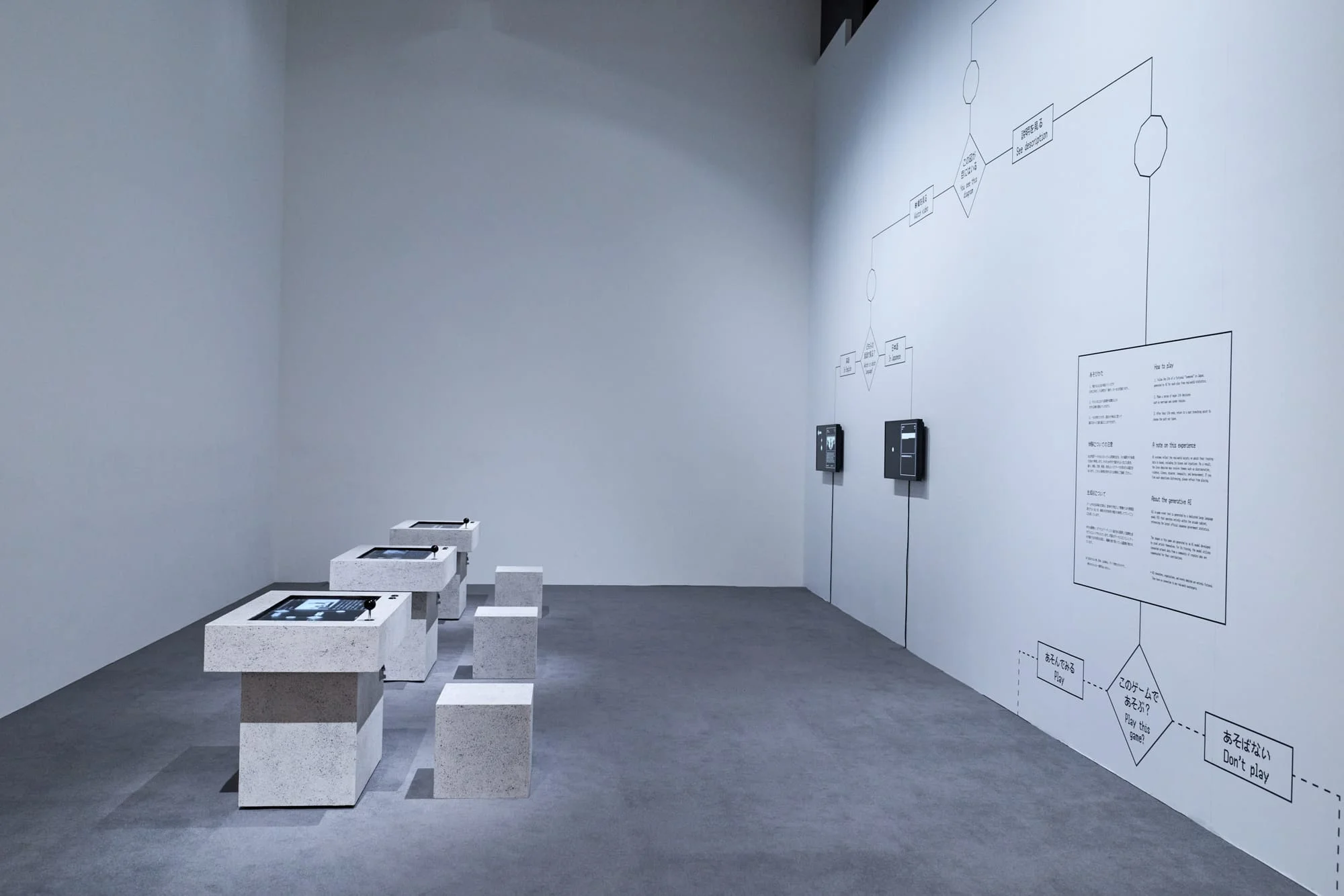
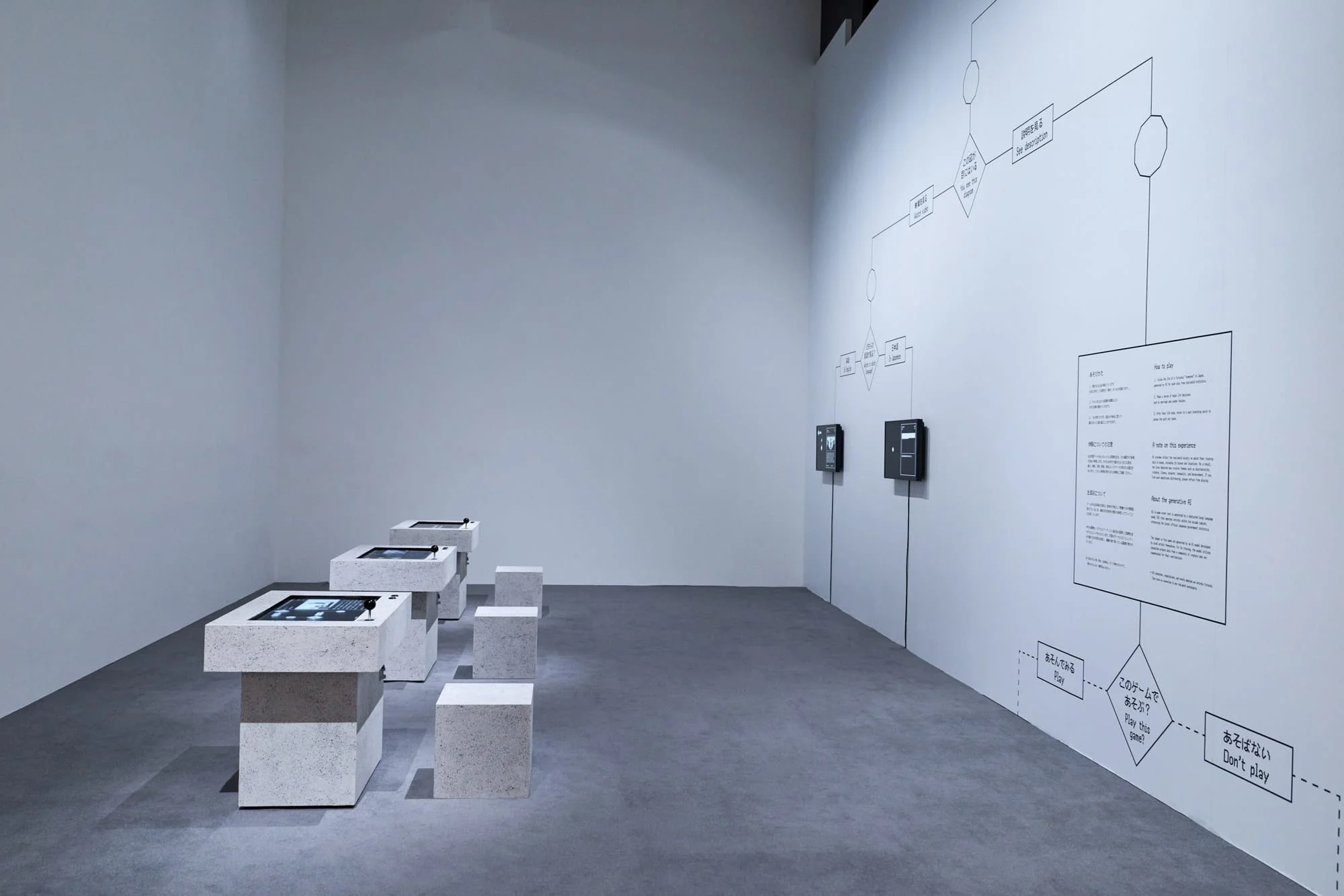
Next, Kihara introduces A Game of Possible Lives, an arcade cabinet that operates locally to simulate a life narrative based on Japan's census data. This unscripted experience allows players to explore the life of a statistically plausible individual—capturing the unpredictable nature of storytelling while presenting ethical questions regarding authorship and representation. The cabinet is deliberately designed to resemble a gravestone, which emphasizes the weight of the narratives being created. This approach encourages players to reflect not just on the statistics themselves but also on the lives behind those numbers, prompting introspection about identity and humanity.
Deviation Game
Finally, the Deviation Game, in collaboration with Playfool, challenges players to create prompts legible to humans but obscure to AI. This playful restriction aims to highlight the evolving literacy necessary in today’s digital environment, where understanding and navigating machine perception becomes vital. Kihara reflects on the surprising ease with which players can outsmart AI—a testament to human creativity's adaptability. The Game taps into an almost philosophical inquiry about human versus machine intelligence. Are we merely spectators to a technological arms race, or can we redefine the parameters of this engagement?
The Broader Implications of Kihara's Work
What Kihara is doing extends beyond playful installations; it is indicative of a larger movement in technology that seeks efficiency and sustainability. He argues against conflating small, local models with expansive data centers, showcasing his own project's efficient power usage compared to graphically intensive games. This perspective reflects a broader trend toward sustainable practices in tech development. The implications are profound. If smaller, energy-efficient models can deliver compelling experiences and insights, you might start to question the necessity for high-powered, resource-intensive systems that dominate today's market.
Moreover, the ethical considerations that Kihara brings to the forefront serve as a warning sign. As we dive deeper into machine learning and AI, the narratives we create—much like those in A Game of Possible Lives—come with responsibility. Creators must navigate the societal impacts of their works, as the very essence of storytelling is intertwined with broader human experiences.
Conclusion: An Invitation to Reflect
Kihara’s exploration culminates in an introspective realization, summarized by a Buddhist saying about the cicada unable to recognize summer, signifying the need for constant adaptation and reflection within the tech environment. For those working within creative and tech fields, Kihara's projects offer an essential invitation to rethink how we interact with machines and the narratives we create around them. Each initiative is not just a project but a call to acknowledge and engage with the often-overlooked complexities of technological interaction.
Links
- Feature on Tomo Kihara’s work
- Tomo Kihara
- Game of Possible Lives
- Street Debater
- Deviation Game
- Deviation Game on Steam
- Playfool
- Roppongi Crossing 2025
- Deviation Game ver 1.0
- Deviation Game at Science Gallery Melbourne
Hosted by Jamin Warren. Music by Nick Sylvester.
Member's Only Video
Discussion
Sign in to join the discussion.