A hardware leaker says PS6 memory and storage could cost $680, adding pressure to a console generation already facing steep component costs.
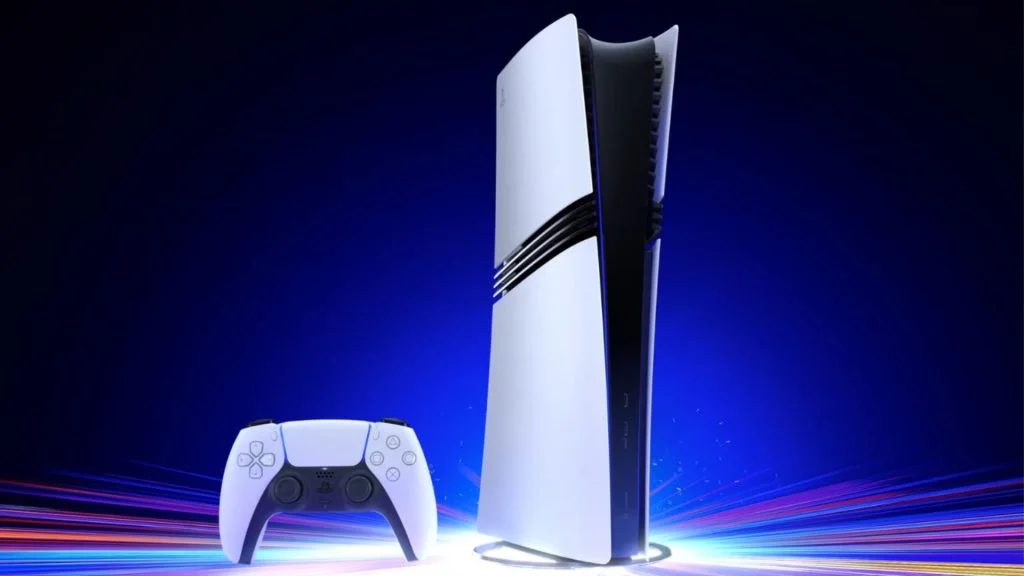
The PlayStation 6’s memory and storage may cost as much as $680 before Sony adds its processor or any other components. That estimate, if accurate, points to a cost problem arriving before the console’s core computing hardware is counted. Expensive RAM and SSDs could put next-generation pricing under pressure from the outset, leaving Sony with a difficult choice between accepting thinner margins and asking customers to pay more.
Memory costs are reshaping console hardware
The estimate comes from hardware leaker Kepler_L2, who has previously shared reliable details about upcoming console specifications. Their latest claim puts the PS6’s RAM and storage bill at up to $680, excluding the AMD APU and the rest of the system. It remains a reported estimate, rather than a confirmed Sony figure, and the distinction matters: the final hardware configuration, supplier terms and costs at launch could all affect the bill.

That would mark a shift from earlier console generations, when the APU was typically the costliest component. DRAM and NAND flash were relatively inexpensive through 2025, but supply constraints and heavy demand from AI data centres have changed the equation. The mechanism is familiar in hardware markets: when several industries compete for the same broad categories of components, console makers can face higher prices or tighter supply, even if their products serve a different market. Rising memory and SSD costs have already contributed to multiple price increases for the PS5 and Xbox Series X/S.
This is more significant than it looks. A console’s memory and storage aren’t optional extras that a manufacturer can trim without consequences; they shape how games load, how much data can stay readily accessible, and how much content the system can hold. But a high bill for those parts also narrows the room available for the processor, cooling, power supply, enclosure, assembly and distribution. The estimate doesn’t tell us what Sony will spend on those items, or what it will charge. It does suggest that the familiar assumption of the processor as the main cost driver may no longer hold.
A difficult price target for the next generation
Industry commentary earlier this year suggested that $1,000 could become the baseline for high-end consumer hardware with modern memory and storage needs. Valve’s Steam Machine launched at $1,050 and once looked like an outlier; it may instead offer an early indication of the pricing pressures facing future consoles. One product can’t establish a market price by itself, though. A console’s price depends on its full bill of materials and on choices about margins, subsidies and the audience a company hopes to reach.
Here’s the thing: a memory and storage estimate of up to $680 doesn’t translate directly into a retail price. It excludes major components, while the eventual cost to buyers also reflects decisions across manufacturing and sales. Still, it makes a low launch price harder to take for granted. If you're working in this space, the key question is how much of the component pressure Sony and Microsoft can absorb before it shows up on the shelf. And this is the part most people overlook: a higher price can affect demand even when the hardware itself is attractive.
Microsoft has confirmed work on Project Helix, while Sony is developing the PS6. Previous reports have suggested Sony could push its console launch beyond 2028 because of component costs. Microsoft is reportedly targeting a 2027 launch window. Those reported timelines add another variable: component prices can change between a hardware design being finalized and a product reaching stores, so today’s cost estimate shouldn’t be treated as a settled launch bill.
What the cost pressure could mean for players
The practical concern is who can afford to upgrade. Many PS4 owners took longer to move to PS5, and a console approaching $1,000 could leave an even larger share of players on older hardware. That would matter beyond the initial sales period: a slower transition can leave game makers supporting older systems for longer, complicating decisions about which features to build around. The source doesn’t establish how many buyers would delay an upgrade, but the affordability question is plain.
That said, the reported figure is only one piece of the pricing picture, and Sony has yet to confirm it. If the component bill is accurate and remains high, memory pricing may shape not just console margins but the size of the next generation’s audience. The numbers here are underwhelming for anyone expecting the next cycle to bring more powerful hardware at an easy-to-swallow price. A costly foundation. What this means for you is that the next console generation may ask buyers to weigh performance against a higher upfront price, while the companies making the hardware try to keep that price within reach.


Discussion
Sign in to join the discussion.