
Yoga and Its Impact on Mental Health
Yoga is a mind-body practice that has been shown to have a number of benefits for physical and mental health. In recent years, there has been growing interest in the potential benefits of yoga for mental health, particularly for conditions such as stress, anxiety, and depression.
A number of studies have shown that yoga can help to reduce stress levels, improve mood, and increase feelings of relaxation. For example, a study published in the journal Psychotherapy and Psychosomatics found that participants who practiced yoga for eight weeks experienced a significant reduction in stress levels, compared to those who did not practice yoga.
Other studies have found that yoga can also help to improve mood and reduce symptoms of depression and anxiety. For example, a study published in the journal The Lancet Psychiatry found that participants who practiced yoga for six weeks experienced a significant reduction in symptoms of depression and anxiety, compared to those who did not practice yoga.
The benefits of yoga for mental health are likely due to a number of factors, including the relaxation response that yoga can induce, the mindfulness practices that are often incorporated into yoga, and the social support that can be found in yoga classes.
If you are interested in trying yoga to improve your mental health, there are a number of resources available to help you get started. You can find yoga classes at most gyms and community centers, and there are also a number of online yoga classes available.
If you have any concerns about your mental health, it is important to talk to a doctor or mental health professional.
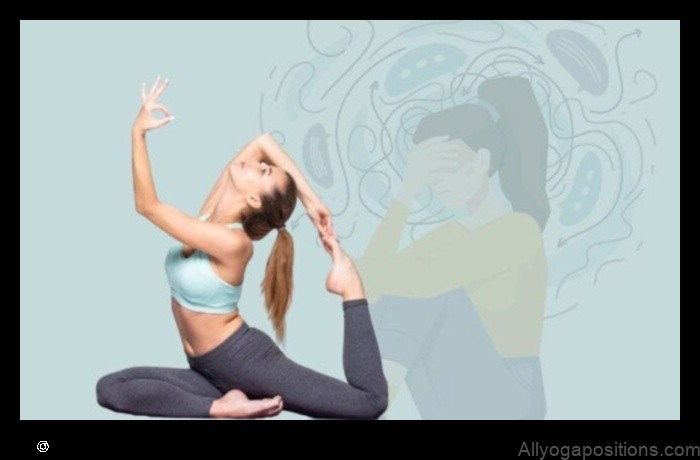
Benefits of yoga for mental health
Yoga has been shown to have a number of benefits for mental health, including:
- Reduced stress levels
- Improved mood
- Increased feelings of relaxation
- Reduced symptoms of depression and anxiety
- Improved sleep
- Increased self-awareness
- Increased mindfulness
- Improved social support
How to do yoga for mental health
There are a number of ways to do yoga for mental health. You can find yoga classes at most gyms and community centers, and there are also a number of online yoga classes available.
When choosing a yoga class, it is important to find one that is appropriate for your needs and interests. If you are new to yoga, it is a good idea to start with a beginner class.
Yoga classes typically involve a series of poses, or asanas, that are held for a few breaths each. The poses are designed to stretch and strengthen the body, and to promote relaxation and mindfulness.
In addition to the physical poses, yoga classes often incorporate breathing exercises, meditation, and chanting. These practices can help to improve relaxation, reduce stress, and increase mindfulness.
Yoga is a safe and effective way to improve your mental health. If you are interested in trying yoga, it is important to find a class that is appropriate for your needs and interests.
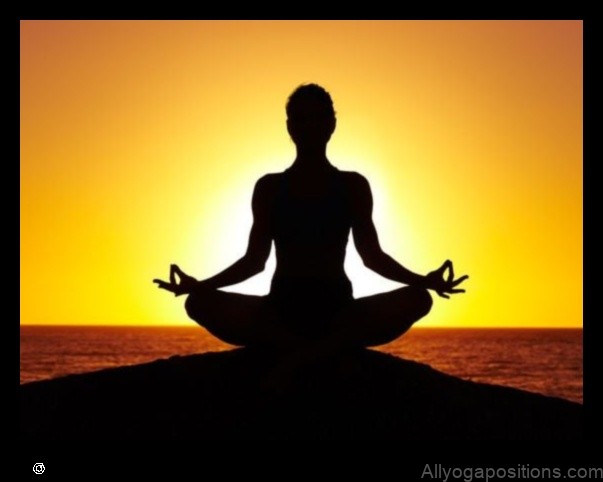
Yoga poses for anxiety
There are a number of yoga poses that can help to relieve anxiety. Some of the most beneficial poses include:
- Child’s pose
- Cat-cow pose
- Downward-facing dog pose
- Plow pose
- Bridge pose
- Seated forward bend
- Corpse pose
These poses can help to relax the body and mind, and to reduce feelings of anxiety.
Yoga poses for depression
There are a number of yoga poses that can help to relieve depression. Some of the most beneficial poses include:
- Sun salutations
- Standing forward bend
- Warrior pose
- Tree pose
- Half-moon pose
- Bridge pose
- Seated forward bend
- Child’s pose
- Cat-cow pose
- Downward-facing dog pose
- Supported bridge pose
- Savasana (Corpse pose)
- Child’s pose
- Forward fold
- Warrior pose
- Sun salutations
- Savasana
- Child’s pose
- Forward fold
- Savasana
- Puppy pose
- Cat-cow pose
- Child’s pose
- Corpse pose
- Supported bridge pose
- Savasana
- Burning calories
- Improving flexibility
- Strengthening muscles
- Reducing stress
- Improving sleep
- Sun Salutations
- Warrior Pose
- Cobra Pose
- Downward Dog Pose
- Plank Pose
- Tranquil Touchpoints Yoga for Inner ConnectionA gentle yoga practice to help you find peace and balance in your mind, body, and spirit.
- Yoga for Rehabilitation A Holistic Approach to Healing the Body
- Tolasana Yoga Pose A Guide to This Inverted Backbend
- Yoga for PTSD Recovery A Mindful Way to Heal
- Tittibhasana Yoga Pose A Guide to This Inverted Arm Balance
<
| Topic | Features |
|---|---|
| Yoga |
* Helps with stress relief * Improves mood * Reduces anxiety * Promotes relaxation * Improves sleep |
| Stress relief |
* Reduces cortisol levels * Improves breathing * Increases mindfulness * Helps to manage stress triggers |
| Depression |
* Improves mood * Reduces fatigue * Boosts energy levels * Promotes feelings of well-being |
| Anxiety |
* Reduces anxiety symptoms * Improves sleep * Helps to manage anxiety triggers * Promotes relaxation |
2. Benefits of yoga for mental health
Yoga has been shown to have a number of benefits for mental health, including reducing stress, anxiety, and depression. It can also improve mood, sleep quality, and self-esteem.
One study found that people who practiced yoga for 8 weeks experienced a significant reduction in stress levels, anxiety, and depression. They also reported feeling more positive and having better sleep.
Another study found that yoga can help to improve mood and self-esteem in people with depression. Participants in the study who practiced yoga for 8 weeks reported feeling less depressed and more confident.
Yoga is a safe and effective way to improve mental health. It is a low-impact exercise that can be adapted to all levels of fitness. It is also a non-invasive therapy that does not require medication or other treatments.
If you are interested in trying yoga to improve your mental health, talk to your doctor or a qualified yoga instructor. They can help you find a class that is right for you and make sure that you are practicing yoga safely.
3. How to do yoga for mental health
Yoga can be a great way to improve your mental health. It can help you to reduce stress, anxiety, and depression, and it can also improve your mood and energy levels. There are many different ways to do yoga, so you can find a practice that fits your needs and lifestyle.
If you are new to yoga, it is a good idea to start with a beginner class. This will help you to learn the basics of yoga and how to do the poses safely. You can find beginner yoga classes at most gyms, yoga studios, and community centers.
Once you have learned the basics of yoga, you can start to practice at home. There are many resources available to help you learn how to do yoga at home, including books, DVDs, and online classes.
When you are practicing yoga for mental health, it is important to focus on your breath and your body. Try to let go of any thoughts or worries that you have, and focus on the present moment. Allow yourself to relax and enjoy the experience.
Yoga is a great way to improve your mental health. It can help you to reduce stress, anxiety, and depression, and it can also improve your mood and energy levels. If you are new to yoga, it is a good idea to start with a beginner class. Once you have learned the basics of yoga, you can start to practice at home.
4. Yoga poses for anxiety
Yoga poses can help to relieve anxiety by calming the mind and body. Some poses that are particularly helpful for anxiety include:
When practicing yoga for anxiety, it is important to focus on your breath and to let go of any thoughts that are causing you stress or anxiety. Try to relax and enjoy the movements of the poses.
Yoga can be a helpful way to manage anxiety, but it is not a substitute for professional mental health care. If you are struggling with anxiety, it is important to talk to a mental health professional.
5. Yoga poses for depression
Yoga poses can help to relieve symptoms of depression by reducing stress, improving mood, and boosting energy levels. Some of the best yoga poses for depression include:
These poses can be practiced individually or as part of a yoga routine. It is important to listen to your body and modify the poses as needed. If you are feeling particularly depressed, it is best to avoid practicing yoga on your own and to seek out the guidance of a qualified yoga instructor.
Yoga is a safe and effective way to improve your mental health. If you are struggling with depression, yoga can be a helpful addition to your treatment plan.
6. Yoga poses for stress
Yoga poses can help to relieve stress by calming the mind and body. Some of the best yoga poses for stress relief include:
These poses can be done in any order, and you can stay in each pose for as long as you like. If you are feeling particularly stressed, you may want to stay in each pose for a longer period of time.
Yoga is a great way to relieve stress and improve your mental health. If you are feeling stressed, try incorporating some yoga poses into your daily routine. You may be surprised at how much better you feel.
7. Yoga poses for sleep
Yoga can be a helpful way to improve sleep quality. Some yoga poses that can promote relaxation and sleep include:
When practicing yoga for sleep, it is important to do so in a quiet, dark, and cool environment. It is also important to avoid eating or drinking anything caffeinated or sugary before practicing yoga.
Yoga can be a helpful addition to a healthy sleep routine. By practicing yoga regularly, you may be able to improve your sleep quality and wake up feeling refreshed and energized.
Yoga poses for pain
Yoga can help to relieve pain by increasing flexibility, strength, and range of motion. It can also help to reduce stress and anxiety, which can contribute to pain. There are many different yoga poses that can be helpful for pain, including:
Cat/cow pose. This pose is a gentle way to stretch the spine and relieve back pain. To do cat/cow pose, start on your hands and knees with your hands shoulder-width apart and your knees hip-width apart. Inhale and arch your back, looking up at the ceiling. Exhale and round your back, tucking your chin to your chest. Repeat this sequence 5-10 times.
Child’s pose. This pose is a relaxing way to relieve stress and tension. To do child’s pose, start on your hands and knees with your big toes touching. Sit back on your heels and extend your arms forward, resting your forehead on the ground. Relax your body and breathe deeply for 5-10 minutes.
Standing forward bend. This pose is a great way to stretch the hamstrings and calves. To do standing forward bend, stand with your feet shoulder-width apart and your arms at your sides. Inhale and reach your arms up overhead. Exhale and bend forward from your hips, keeping your back straight. Bring your hands to the floor in front of you or rest your head on your knees. Hold the pose for 5-10 breaths.
Seated twist. This pose is a gentle way to stretch the spine and relieve back pain. To do seated twist, sit on the floor with your legs extended in front of you. Bend your right knee and bring your right foot to the outside of your left thigh. Cross your left arm over your right knee and reach your right arm behind you. Hold the pose for 5-10 breaths, then switch sides.
Pigeon pose. This pose is a deep hip opener that can help to relieve pain in the lower back, hips, and thighs. To do pigeon pose, start on your hands and knees with your big toes touching. Step your right foot forward between your hands and extend your left leg behind you. Bend your right knee and lower your torso down to your right thigh. Bring your hands to your front knee or rest your forehead on the ground. Hold the pose for 5-10 breaths, then switch sides.
These are just a few examples of yoga poses that can be helpful for pain. If you are experiencing pain, talk to your doctor about whether yoga is right for you.
9. Yoga poses for weight loss
Yoga is a mind-body practice that has been shown to have many benefits for physical and mental health. It can also be helpful for weight loss.
Yoga can help with weight loss by:
If you are looking to lose weight, yoga can be a great addition to your overall weight loss plan. It can help you burn calories, tone your muscles, and reduce stress, all of which can contribute to weight loss.
Here are some yoga poses that can help with weight loss:
These poses are all great for burning calories, strengthening muscles, and improving flexibility. They can also help to reduce stress, which can lead to weight loss.
If you are new to yoga, it is important to start slowly and gradually increase the intensity of your practice as you get stronger. It is also important to listen to your body and stop if you feel pain.
Yoga is a safe and effective way to lose weight and improve your overall health. If you are looking for a way to lose weight, talk to your doctor about adding yoga to your weight loss plan.
FAQ
Q: What is yoga?
A: Yoga is a mind and body practice with a 5,000-year history in ancient Indian philosophy. It combines physical postures, breathing exercises, and meditation or relaxation.
Q: What are the benefits of yoga for mental health?
A: Yoga has been shown to have a number of benefits for mental health, including reducing stress, anxiety, and depression, and improving mood, sleep, and self-esteem.
Q: How can I incorporate yoga into my own life to improve my mental health?
A: There are many ways to incorporate yoga into your own life to improve your mental health. You can start by doing a simple yoga practice at home, or you can join a yoga class. You can also find many resources online to help you learn more about yoga and how to incorporate it into your life.
Table of Contents