

Meditation and Relationships: Nurturing Connection through Mindfulness
Meditation and mindfulness are powerful tools that can help us to improve our relationships. By practicing meditation, we can learn to be more present, mindful, and compassionate, all of which are essential ingredients for healthy relationships.
In this article, we will explore the benefits of meditation for relationships, and we will provide tips on how to practice meditation in a way that can strengthen your connections with others.
We will also discuss some of the common challenges that people face when trying to integrate meditation into their relationships, and we will offer suggestions for how to overcome these challenges.
Finally, we will provide a list of resources that you can use to learn more about meditation and relationships.

Benefits of Meditation for Relationships
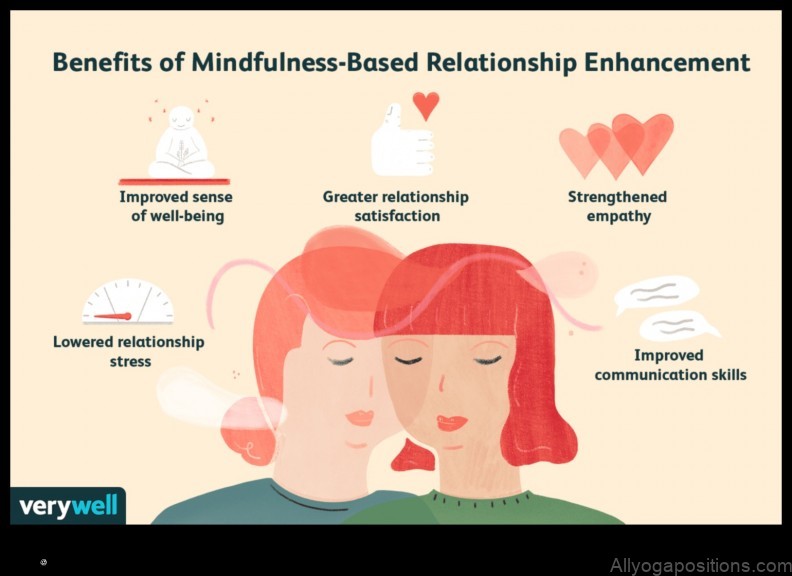
Meditation can have a number of benefits for relationships, including:
- Increased communication
- Improved empathy
- Reduced conflict
- Increased intimacy
- Greater happiness
When we meditate, we learn to focus our attention on the present moment. This can help us to be more mindful of our thoughts and feelings, and it can also help us to be more aware of the needs of our partners.
Meditation can also help us to develop greater empathy, which is the ability to understand and share the feelings of others. This can be a valuable asset in relationships, as it can help us to be more understanding and supportive of our partners.
In addition, meditation can help us to reduce conflict in our relationships. When we are able to manage our stress and emotions more effectively, we are less likely to react in a negative way when our partners do something that upsets us.
Meditation can also help us to increase intimacy in our relationships. When we are able to connect with our own inner selves, we are more likely to be able to connect with our partners on a deeper level.
Finally, meditation can help us to experience greater happiness in our relationships. When we are able to live in the present moment and appreciate the good things in our lives, we are more likely to be happy and content.
How to Practice Relationship Meditation
There are many different ways to practice relationship meditation. Here are a few tips to get you started:
- Find a quiet place where you can meditate without being disturbed.
- Sit in a comfortable position and close your eyes.
- Focus on your breath and let your thoughts come and go.
- When you notice that your mind has wandered, gently bring your attention back to your breath.
- Continue to meditate for as long as you like.
You can also try some of the following specific meditation practices for relationships:
- Couples meditation: This is a type of meditation that is specifically designed for couples. It can help couples to connect with each other on a deeper level and to resolve conflict more effectively.
- Mindful communication: This is a type of meditation that can help you to communicate more effectively with your partner. It can help you to listen more attentively, to express yourself more clearly, and to resolve conflict more peacefully.
- Gratitude meditation: This is a type of meditation that can help you to appreciate the good things in your relationship. It can help you to focus on the positive aspects of your relationship and to let go of the negative.
For more information on how to practice relationship meditation, there are many resources available online and in libraries.
Tips for Beginners
If you are new to meditation, here are a few tips to help you get started:
- Start slowly. Don’t try to meditate for long periods of time at first. Just start with a few minutes each day and gradually increase the amount of time as you get more comfortable.
- Find a comfortable position. You can sit in a chair, lie down on your back, or kneel on the floor. Whatever position you choose, make sure that you are relaxed and supported.
- Don’t be discouraged if your mind wanders. It is normal for your mind to wander when you meditate. Just gently bring your attention back to your breath or to your meditation object.
-
Feature Answer Meditation and relationships Meditation can help to improve relationships by reducing stress, increasing empathy, and fostering communication. Mindfulness and relationships Mindfulness can help to improve relationships by helping partners to stay present and aware of each other’s needs. Connection and relationships Meditation and mindfulness can help to foster connection in relationships by increasing intimacy and communication. Intimacy and relationships Meditation and mindfulness can help to increase intimacy in relationships by helping partners to connect with each other on a deeper level. Communication and relationships Meditation and mindfulness can help to improve communication in relationships by helping partners to listen to each other more effectively and to express themselves more clearly. What is relationship meditation?
Relationship meditation is a type of meditation that focuses on improving relationships. It can help you to connect with your partner, build intimacy, and resolve conflict.
Relationship meditation can be done individually or with your partner. It can be practiced in a variety of ways, such as sitting quietly, walking together, or simply talking about your relationship.
When you practice relationship meditation, you are intentionally bringing your attention to your relationship. You are paying attention to the good things about your relationship, as well as the challenges. You are also paying attention to your own thoughts and feelings about your relationship.
Relationship meditation can help you to see your relationship from a new perspective. It can help you to understand your partner better and to communicate more effectively. It can also help you to resolve conflict and to build a stronger, more fulfilling relationship.
III. Benefits of relationship meditation
Relationship meditation has a number of benefits for both individuals and their relationships. These benefits include:
- Increased intimacy and connection
- Improved communication
- Reduced conflict and stress
- Increased happiness and satisfaction
- Enhanced well-being
These benefits are due to the fact that relationship meditation helps to increase awareness, compassion, and understanding of oneself and others. It also helps to foster a sense of connection and closeness, which is essential for a healthy and fulfilling relationship.
If you are looking to improve your relationships, meditation can be a powerful tool. By practicing relationship meditation regularly, you can learn to communicate more effectively, resolve conflicts more easily, and build a deeper connection with your loved ones.
IV. How to practice relationship meditationRelationship meditation is a simple practice that can be done anywhere, anytime. Here are a few steps to get started:
- Find a quiet place where you can sit comfortably and won’t be disturbed for a few minutes.
- Close your eyes and take a few deep breaths.
- Bring your attention to your breath as it flows in and out of your body.
- As you breathe, notice the sensations in your body. Feel the weight of your body on the chair or floor. Feel the air moving in and out of your lungs.
- Once you are feeling relaxed, bring your attention to your relationship. Think about the person you are closest to. What are the things you love about them? What are the things that challenge you?
- Gently send loving-kindness to yourself and your partner. This can be done by silently repeating phrases such as “May you be happy,” “May you be healthy,” and “May you be at peace.”
- Continue to breathe and send loving-kindness for a few minutes.
- When you are ready, open your eyes and return to your day.
V. Tips for beginners
Here are some tips for beginners to help you get started with relationship meditation:
- Start by practicing mindfulness meditation on your own. This will help you to develop the skills and awareness you need to practice relationship meditation.
- When you’re ready to start practicing relationship meditation with your partner, choose a time and place where you won’t be interrupted.
- Begin by sitting comfortably facing each other. Close your eyes and take a few deep breaths.
- Gently bring your attention to the sensations of your breath as it flows in and out of your body.
- Once you’re feeling relaxed, open your eyes and look at your partner. Let your gaze soften and allow yourself to connect with them on a deep level.
- Stay in this state of connection for as long as you like. When you’re ready to end the meditation, simply take a few deep breaths and open your eyes.
VI. Common challenges
There are a number of common challenges that people face when practicing relationship meditation. These include:
- Feeling distracted
- Having difficulty staying present
- Feeling impatient or frustrated
- Worried about what your partner is thinking or feeling
- Feeling like you’re not doing it right
If you experience any of these challenges, it’s important to be patient with yourself and to remember that everyone is different. There is no right or wrong way to practice relationship meditation. The important thing is to find what works for you and to keep practicing.
Here are a few tips for overcoming common challenges:
- Start by practicing for short periods of time. Even five minutes a day can make a difference.
- Find a quiet and comfortable place to practice.
- Focus on your breath and try to let go of all other thoughts.
- Be kind to yourself and don’t expect to be perfect.
- Remember that the goal of relationship meditation is to connect with your partner, not to achieve a certain state of mind.
How to overcome challenges
There are a few common challenges that people face when trying to practice relationship meditation. These challenges include:
- Feeling impatient. It can be difficult to sit still and focus on your breath when you’re feeling stressed or anxious about your relationship.
- Getting distracted. It’s easy to get caught up in thoughts about your relationship or other stressors in your life.
- Feeling like you’re not making any progress. It can be discouraging to practice relationship meditation for weeks or months and not see any immediate results.
If you’re struggling with any of these challenges, don’t give up. Relationship meditation is a lifelong practice, and it takes time to see results. Here are a few tips for overcoming challenges:
- Be patient. It takes time to develop the concentration and mindfulness skills that are necessary for relationship meditation. Don’t get discouraged if you don’t see results immediately. Just keep practicing, and you will eventually see progress.
- Focus on your breath. When you find yourself getting distracted, bring your attention back to your breath. This will help you to stay present and focused on the present moment.
- Be kind to yourself. It’s okay to make mistakes. Everyone struggles with relationship meditation at some point. Just forgive yourself and keep practicing.
With time and practice, you will be able to overcome the challenges of relationship meditation and reap the benefits of this powerful practice.
VIII. Conclusion
Meditation and mindfulness can be powerful tools for improving relationships. By helping us to connect with our own inner selves, we can become more open and compassionate to others. When we are able to communicate our needs and feelings effectively, we can build stronger and more fulfilling relationships.
If you are looking for ways to improve your relationships, I encourage you to give meditation and mindfulness a try. It may be just what you need to create deeper connections with the people you love.
Conclusion
Meditation and mindfulness can be powerful tools for improving relationships. By helping us to connect with ourselves and our partners, and to cultivate greater awareness and compassion, meditation can help us to build stronger, more fulfilling relationships.
If you are looking for ways to improve your relationships, I encourage you to give meditation a try. It may just be the key to a happier, healthier relationship.
Here are some additional resources that you may find helpful:
- Mindful.org: Relationship Tips
- Psychology Today: How Meditation Can Help Your Relationship
- The Meditation Space: Meditation for Relationships
FAQ
Question 1: What is relationship meditation?
Relationship meditation is a type of meditation that focuses on improving relationships. It can help you to connect with your partner on a deeper level, resolve conflicts more easily, and build stronger communication skills.
Question 2: What are the benefits of relationship meditation?
The benefits of relationship meditation include:
- Improved communication
- Increased intimacy
- Enhanced conflict resolution
- Greater emotional connection
- Reduced stress
Question 3: How do I practice relationship meditation?
There are many different ways to practice relationship meditation. Here are a few simple steps to get you started:
- Find a quiet place where you can relax and won’t be disturbed.
- Sit in a comfortable position and close your eyes.
- Focus on your breath and allow your mind to wander.
- When you notice your mind wandering, gently bring your attention back to your breath.
- Continue to focus on your breath and allow yourself to relax.
- As you relax, bring to mind your partner and the qualities you love about them.
- Spend some time visualizing yourself and your partner in a positive light.
- When you’re ready, open your eyes and return to your day.
Table of Contents
Maybe You Like Them Too
- Tranquil Touchpoints Yoga for Inner ConnectionA gentle yoga practice to help you find peace and balance in your mind, body, and spirit.
- Yoga for Rehabilitation A Holistic Approach to Healing the Body
- Tolasana Yoga Pose A Guide to This Inverted Backbend
- Yoga for PTSD Recovery A Mindful Way to Heal
- Tittibhasana Yoga Pose A Guide to This Inverted Arm Balance