
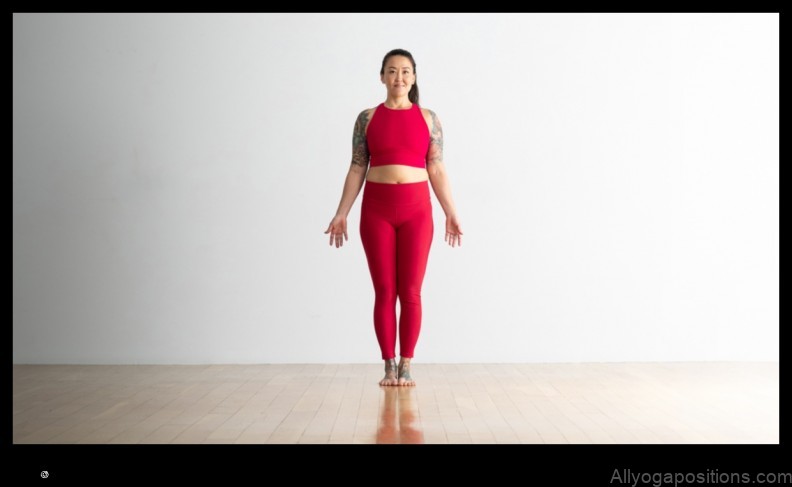
Tadasana Yoga Pose: Standing Mountain Pose
Tadasana is a standing yoga pose that is often used as a foundation for other poses. It is a simple pose that can be practiced by people of all levels of fitness.
Benefits of Tadasana include:
- Strengthens the legs, ankles, and core
- Improves balance and coordination
- Increases flexibility in the spine
- Reduces stress and anxiety
How to Do Tadasana
- Stand with your feet shoulder-width apart and your toes facing forward.
- Inhale and raise your arms overhead, so that your hands are in line with your ears.
- Exhale and press your feet down into the ground, lengthen your spine, and draw your shoulders back and down.
- Hold the pose for 5-10 breaths.
- To come out of the pose, inhale and lower your arms to your sides.
Common Mistakes in Tadasana
- Rounding your shoulders
- Slouching your back
- Locking your knees
- Allowing your feet to roll inward or outward
Modifications for Tadasana
- If you have tight hamstrings, you can bend your knees slightly.
- If you have lower back pain, you can place a block under your heels.
- If you have wrist pain, you can rest your hands on your hips or thighs.
Contraindications for Tadasana
- High blood pressure
- Pregnancy
- Recent surgery
Safety Precautions for Tadasana
- Listen to your body and do not push yourself too hard.
- If you experience any pain, stop the pose and consult with your doctor.
FAQs About Tadasana
- Q: What are the benefits of Tadasana?
- A: Tadasana has many benefits, including strengthening the legs, ankles, and core; improving balance and coordination; increasing flexibility in the spine; and reducing stress and anxiety.
- Q: How do I do Tadasana correctly?
- A: To do Tadasana correctly, stand with your feet shoulder-width apart and your toes facing forward. Inhale and raise your arms overhead, so that your hands are in line with your ears. Exhale and press your feet down into the ground, lengthen your spine, and draw your shoulders back and down. Hold the pose for 5-10 breaths.
- Q: What are some common mistakes in Tadasana?
- Some common mistakes in Tadasana include rounding your shoulders, slouching your back, locking your knees, and allowing your feet to roll inward or outward.
- Q: What are some modifications for Tadasana?
- If you have tight hamstrings, you can bend your knees slightly. If you have lower back pain, you can place a block under your heels. If you have wrist pain, you can rest your hands on your hips or thighs.
- Q: What are the contraindications for Tadasana?
- The contraindications for Tadasana include high blood pressure, pregnancy, and recent surgery.
- Q: What are the safety precautions for Tadasana?
- The safety precautions for Tadasana include listening to your body and not pushing yourself too hard. If you experience any pain, stop the pose and consult with your doctor.
Resources for Learning More About Tadasana
- Yoga Journal: Tadasana (Mountain Pose)
-
2. Benefits of Tadasana
Tadasana is a versatile yoga pose that offers a wide range of benefits, including:
- Improved balance and coordination
- Strengthened core muscles
- Increased flexibility in the spine
- Improved posture
- Reduced stress and anxiety
- Enhanced circulation
- Increased energy levels
Tadasana is a great pose to practice for overall health and well-being. It is a foundational pose in many yoga practices, and it can be used as a warm-up or cool-down pose.
How to Do Tadasana
Tadasana is a standing yoga pose that is often used as a starting point for other poses. It is also a great way to stretch and strengthen your body. To do Tadasana, follow these steps:
- Stand with your feet hip-width apart and your toes facing forward.
- Inhale and raise your arms overhead, keeping your palms together.
- Exhale and lower your arms to your sides.
- Press your feet down into the ground and lengthen your spine.
- Draw your shoulders back and down and relax your jaw.
- Hold the pose for 5-10 breaths.
As you inhale, feel your body expanding and lengthening. As you exhale, release any tension and let your body relax.
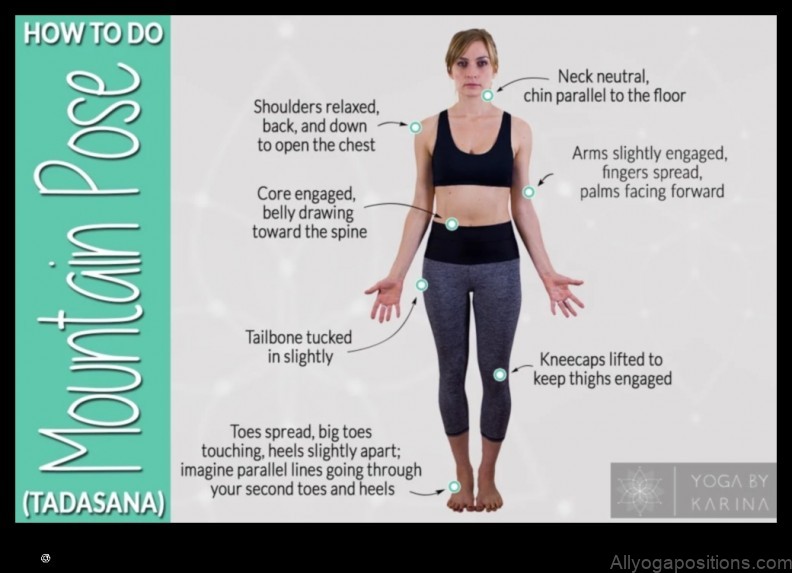
Tadasana is a relatively simple pose, but it can be challenging to maintain proper alignment. Here are a few tips to help you get the most out of Tadasana:
- Keep your feet parallel and your toes pointing forward.
- Press your heels down into the ground and engage your core muscles.
- Lengthen your spine and draw your shoulders back and down.
- Relax your jaw and let your eyes gaze softly forward.
Tadasana is a great pose to practice for beginners and experienced yogis alike. It is a simple and effective way to stretch and strengthen your body, improve your posture, and connect with your breath.
4. Common Mistakes in Tadasana
There are a few common mistakes that people make when doing Tadasana. These mistakes can lead to discomfort or injury.
-
Rounding the shoulders. This can put strain on the neck and shoulders.
-
Slumping the chest. This can also put strain on the neck and shoulders.
-
Locking the knees. This can put strain on the knees and ankles.
-
Overextending the back. This can put strain on the lower back.
To avoid these mistakes, make sure to:
-
Keep your shoulders back and down.
-
Lift your chest and draw your shoulder blades together.
-
Keep your knees slightly bent.
-
Engage your core muscles to support your spine.
If you have any pain or discomfort in Tadasana, stop and adjust your alignment. You may also want to talk to your doctor or a yoga instructor for more help.
5. Modifications for Tadasana
There are a few modifications that can be made to Tadasana to make it more accessible for beginners or those with injuries.
-
For those who have difficulty standing with their feet flat on the ground, you can place a block under each foot to raise your heels.
-
If you have tight hamstrings, you can bend your knees slightly and bring your heels closer to your hips.
-
If you have lower back pain, you can place a rolled-up towel or blanket under your lower back for support.
-
If you have neck pain, you can rest your hands on your hips or thighs instead of reaching them overhead.
It is important to listen to your body and modify the pose as needed to avoid pain. With practice, you will be able to do Tadasana with ease.
6. Contraindications for Tadasana
Tadasana is a relatively safe pose for most people, but there are some contraindications to consider. These include:
Low back pain. If you have low back pain, you should avoid doing Tadasana in a way that aggravates your pain. This may mean avoiding deep forward bends or keeping your knees slightly bent.
High blood pressure. Tadasana can increase blood pressure, so people with high blood pressure should be careful not to hold the pose for too long.
Heart disease. Tadasana can increase heart rate, so people with heart disease should be careful not to hold the pose for too long or do it too vigorously.
Pregnancy. Tadasana is generally safe for pregnant women, but it is important to listen to your body and avoid doing the pose if it causes any discomfort.
Other injuries. If you have any other injuries, you should consult with your doctor before doing Tadasana.Safety Precautions for Tadasana
Tadasana is a relatively safe pose, but there are a few precautions to take to avoid injury.
- Start by standing with your feet shoulder-width apart and your toes pointing forward.
- Inhale and raise your arms overhead, keeping your shoulders relaxed.
- Exhale and bend your knees, lowering your body until your thighs are parallel to the floor.
- Press your heels into the ground and straighten your legs, lifting your torso and arms up.
- Inhale and raise your arms overhead, keeping your shoulders relaxed.
- Exhale and return to standing.
If you experience any pain or discomfort during this pose, stop and consult with a doctor or certified yoga instructor.
FAQs About Tadasana
Here are some common questions about Tadasana, along with answers to help you understand the pose better.
-
What are the benefits of Tadasana?
-
What are the common mistakes in Tadasana?
-
What are the modifications for Tadasana?
-
What are the contraindications for Tadasana?
-
What are the safety precautions for Tadasana?
9. Resources for Learning More About Tadasana
Here are some resources that you can use to learn more about Tadasana:
- Yoga Journal: Tadasana (Mountain Pose)
- Yoga Class: Tadasana (Mountain Pose)
- Do Yoga With Me: Tadasana (Mountain Pose)
- Yoga with Adriene: Tadasana (Mountain Pose)
FAQs About Tadasana
Q: What are the benefits of Tadasana?
A: Tadasana has many benefits, including:
* improving balance and coordination
* strengthening the core and legs
* reducing stress and anxiety
* improving posture
* increasing flexibilityQ: What are some common mistakes people make in Tadasana?
A: Some common mistakes people make in Tadasana include:
* rounding the shoulders
* collapsing the chest
* tucking the tailbone
* leaning to one sideQ: What are some modifications for Tadasana?
A: If you are unable to stand up straight in Tadasana, there are a few modifications you can try:
* Place a block under your heels to help you extend your legs.
* Place your hands on your hips or thighs to help you balance.
* Stand with your feet shoulder-width apart and your knees slightly bent.Table of Contents
Maybe You Like Them Too
- Tranquil Touchpoints Yoga for Inner ConnectionA gentle yoga practice to help you find peace and balance in your mind, body, and spirit.
- Yoga for Rehabilitation A Holistic Approach to Healing the Body
- Tolasana Yoga Pose A Guide to This Inverted Backbend
- Yoga for PTSD Recovery A Mindful Way to Heal
- Tittibhasana Yoga Pose A Guide to This Inverted Arm Balance