
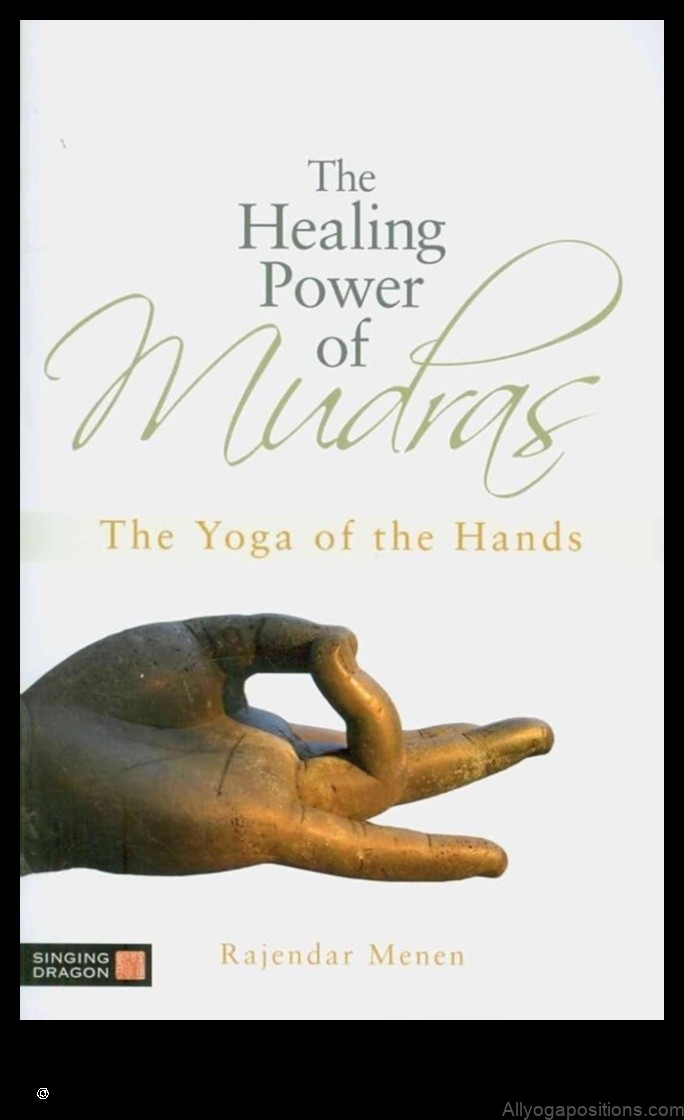
The Healing Power of Yoga Mudras: Hand Gestures for Well-being
Yoga mudras are hand gestures that are used in yoga and meditation practices. They are said to have a number of benefits for physical and mental health, including stress relief, relaxation, and improved circulation.
In this article, we will discuss the different types of yoga mudras, how to perform them, and what benefits they can provide. We will also provide some tips for safety and precautions to take when practicing yoga mudras.
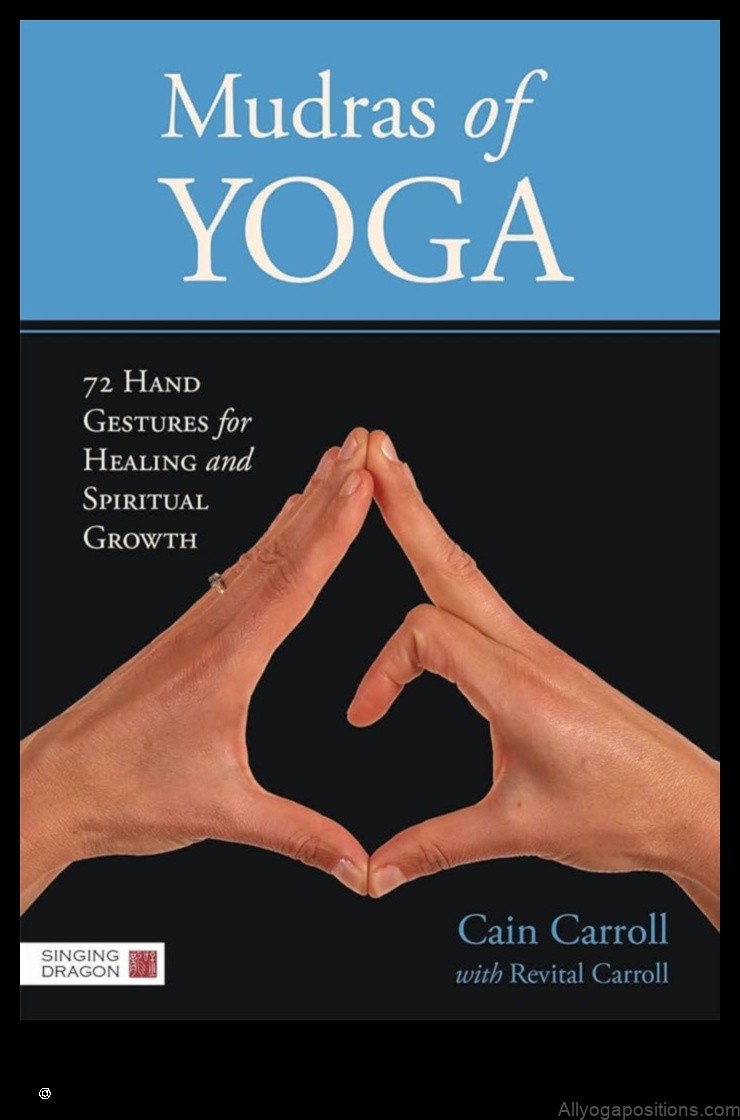
What are yoga mudras?
Yoga mudras are hand gestures that are used in yoga and meditation practices. They are said to have a number of benefits for physical and mental health, including stress relief, relaxation, and improved circulation.
The word “mudra” comes from the Sanskrit word “mudra,” which means “seal” or “gesture.” Mudras are believed to seal the flow of prana, or vital energy, through the body. They are also said to stimulate specific chakras, or energy centers, in the body.
There are many different types of yoga mudras, each with its own unique benefits. Some of the most common mudras include:
- Chin mudra: This mudra is said to promote concentration and focus. It is performed by placing the index finger and thumb together to form a circle.
- Gyan mudra: This mudra is said to promote wisdom and enlightenment. It is performed by touching the tip of the index finger to the tip of the thumb.
- Dhyana mudra: This mudra is said to promote meditation and relaxation. It is performed by placing the hands together in a prayer position.
Yoga mudras can be practiced at any time, but they are often incorporated into yoga and meditation practices. They can also be practiced on their own as a way to promote relaxation and stress relief.
Benefits of yoga mudras
Yoga mudras are said to have a number of benefits for physical and mental health, including:
- Stress relief
- Relaxation
- Improved circulation
- Reduced pain
- Improved sleep
- Increased energy
- Enhanced concentration
- Improved memory
- Promoted healing
It is important to note that the benefits of yoga mudras vary from person to person. Some people may experience a number of benefits from practicing yoga mudras, while others may only experience a few benefits.
How to do yoga mudras
Yoga mudras are relatively easy to perform. They can be done at any time, but they are often incorporated into yoga and meditation practices.
To perform a yoga mudra, simply hold the position with your hands for a few minutes. You can hold the mudra for as long as you feel comfortable.
Here are some tips for performing yoga mudras:
- Start by practicing the mudra for a few minutes at a time. As you get more comfortable with the mudra, you can gradually increase the length of time you hold it.
- Pay attention to how you feel when you are holding the mudra. Notice any changes in your body or mind.
- If you experience any discomfort or pain, release the mudra and try again later.
Common yoga mudras for healing
There are many different yoga mudras that can be used for healing. Some of the most common mudras for healing include:
- Chin mudra: This mudra is said to promote concentration and focus. It is also said to help with headaches and migraines.
- Gyan mudra: This mudra is said to promote wisdom and enlightenment. It is also said to help with anxiety and stress.
- Dhyana mudra: This mudra is said to promote meditation and relaxation. It is also said
Topic Answer Yoga mudras Hand gestures that are used in yoga to promote healing and well-being. Hand gestures Yoga mudras are often used in conjunction with other yoga poses to enhance the benefits of the pose. Well-being Yoga mudras can help to improve overall well-being by reducing stress, promoting relaxation, and increasing energy. Stress relief Yoga mudras can help to relieve stress by calming the mind and body. Relaxation Yoga mudras can help to promote relaxation by reducing muscle tension and stress. II. What are yoga mudras?
Yoga mudras are hand gestures that are used in yoga practice. They are said to have a number of benefits, including improving circulation, reducing stress, and promoting relaxation. Mudras are also said to help to balance the chakras, which are the energy centers in the body.
There are many different types of yoga mudras, each with its own unique benefits. Some of the most common mudras include:
- The Gyan mudra, which is said to promote mental clarity and focus.
- The Surya mudra, which is said to boost energy and vitality.
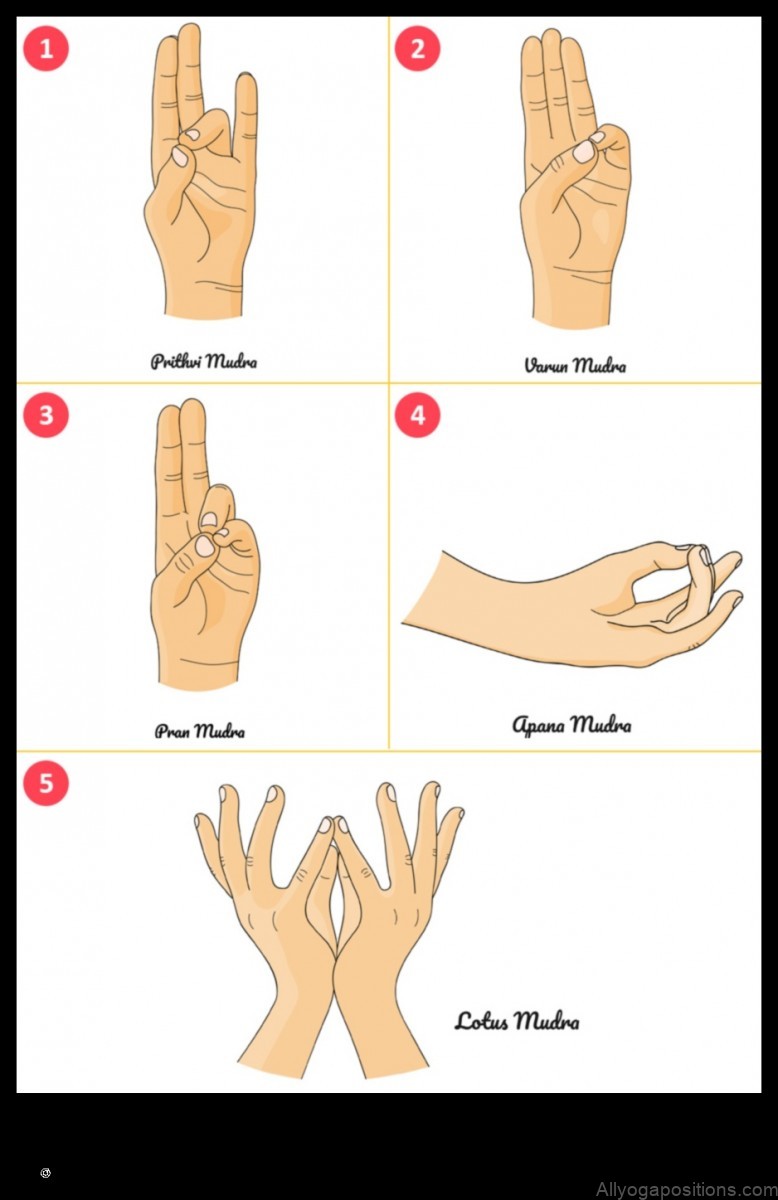
- The Prithvi mudra, which is said to help to ground and center the body.
- The Apana mudra, which is said to help to relieve stress and anxiety.
Yoga mudras can be practiced at any time of day, but they are often done during yoga practice or meditation. To perform a mudra, simply place your hands in the desired position and hold it for a few minutes. You can also chant a mantra or focus on your breath while you hold the mudra.
Yoga mudras are a safe and easy way to improve your health and well-being. They are a great addition to any yoga practice or meditation routine.
III. Benefits of yoga mudras
Yoga mudras have been shown to have a number of benefits for both physical and mental health. Some of the most common benefits of yoga mudras include:
Reduced stress and anxiety. Yoga mudras can help to promote relaxation and reduce stress levels by stimulating the parasympathetic nervous system. This is the part of the nervous system that is responsible for rest and relaxation.
Improved sleep. Yoga mudras can help to improve sleep quality by promoting relaxation and reducing stress levels.
Reduced pain. Yoga mudras can help to reduce pain by stimulating the body’s natural pain-relieving mechanisms.
Increased energy. Yoga mudras can help to increase energy levels by stimulating the body’s metabolism and improving circulation.
Improved focus and concentration. Yoga mudras can help to improve focus and concentration by promoting relaxation and reducing stress levels.
Enhanced creativity. Yoga mudras can help to enhance creativity by stimulating the mind and opening up new pathways of thought.
Improved overall well-being. Yoga mudras can help to improve overall well-being by promoting relaxation, reducing stress, and improving physical and mental health.IV. How to do yoga mudras
Yoga mudras are easy to perform and can be done at any time of day. Here are some simple steps to help you get started:
- Find a comfortable seated position. You can sit on a chair, the floor, or even in bed.
- Bring your hands together in front of your chest.
- Align your thumbs so that they are touching.
- Gently press your fingers together and hold the mudra for a few minutes.
- Breathe deeply and relax.
You can repeat each mudra several times throughout the day, or you can practice them all at once. Just be sure to listen to your body and stop if you feel any pain or discomfort.
Here are some additional tips for practicing yoga mudras:
- Choose a mudra that is appropriate for your current state of mind and body.
- Focus on the meaning of the mudra and allow it to work its magic.
- Practice yoga mudras in a quiet, peaceful environment.
- Be patient and allow your body to reap the benefits of yoga mudras over time.
V. Common yoga mudras for healing
There are many different yoga mudras that can be used for healing purposes. Some of the most common include:
- Ganesha Mudra: This mudra is said to help with concentration, memory, and learning. To perform this mudra, bring the tips of your thumb and index finger together.
- Surya Mudra: This mudra is said to increase energy, vitality, and immunity. To perform this mudra, extend your arms out in front of you with your palms facing up. Bring your thumbs and pinkies together, and then touch the tips of your index fingers and middle fingers together.
- Prana Mudra: This mudra is said to help with digestion, assimilation, and absorption. To perform this mudra, bring the tips of your index finger and thumb together.
- Anahata Mudra: This mudra is said to open the heart chakra and promote love, compassion, and forgiveness. To perform this mudra, bring the tips of your middle finger and ring finger together.
- Yoni Mudra: This mudra is said to balance the hormones and promote fertility. To perform this mudra, bring the tips of your ring finger and little finger together.
These are just a few of the many yoga mudras that can be used for healing purposes. If you are interested in learning more about yoga mudras, there are many resources available online and in libraries. You can also find classes and workshops that teach yoga mudras.
What are yoga mudras?
Yoga mudras are hand gestures that are used in yoga practice to focus the mind, promote relaxation, and balance the body’s energy. Mudras are often combined with other yoga poses to create a more powerful and effective practice.
There are many different types of yoga mudras, each with its own unique benefits. Some of the most common mudras include:
- Chin mudra: This mudra is said to promote concentration and focus.
- Gyan mudra: This mudra is said to stimulate the third eye chakra and promote intuition and wisdom.
- Anahata mudra: This mudra is said to open the heart chakra and promote love and compassion.
- Surya mudra: This mudra is said to energize the body and mind.
- Prana mudra: This mudra is said to balance the body’s energy and promote vitality.
Yoga mudras are a safe and easy way to incorporate more mindfulness and relaxation into your daily life. They can be practiced at any time, anywhere, and no special equipment is required.
VII. FAQ
Q: What are the different types of yoga mudras?
A: There are many different types of yoga mudras, each with its own unique benefits. Some of the most common yoga mudras include:Apana mudra: This mudra helps to relieve stress and anxiety. It is performed by placing the tip of the thumb on the tip of the ring finger.
Chin mudra: This mudra helps to improve concentration and focus. It is performed by placing the index finger and middle finger on the tip of the thumb.
Ganesha mudra: This mudra helps to promote good luck and abundance. It is performed by placing the tips of the thumb, index finger, and middle finger together.
Jnana mudra: This mudra helps to promote wisdom and knowledge. It is performed by touching the tip of the index finger to the tip of the thumb.
Lotus mudra: This mudra helps to promote peace and tranquility. It is performed by placing the palms together and interlacing the fingers.Q: How do I perform yoga mudras?
A: Yoga mudras are easy to perform and can be done at any time of day. To perform a yoga mudra, simply hold the position for a few minutes while you focus on your breath and intention.Q: What are the benefits of yoga mudras?
A: Yoga mudras have many benefits for both physical and mental health. Some of the benefits of yoga mudras include:Reduced stress and anxiety
Improved concentration and focus
Increased energy and vitality
Promoted relaxation and peace of mind
Improved sleep
Reduced pain
Enhanced immunity
Promoted overall well-beingQ: Are there any safety precautions I should take when doing yoga mudras?
A: Yes, there are a few safety precautions you should take when doing yoga mudras.Never force a pose. If a pose feels uncomfortable, stop and release it.
Listen to your body. If you experience any pain or discomfort, stop doing the pose and consult with a doctor.
Practice yoga mudras in a safe environment. Make sure you are not in a position where you could fall or injure yourself.
Start slowly and gradually increase the duration of your practice. Yoga mudras can be very powerful, so it is important to start slowly and gradually increase the duration of your practice.Q: Where can I learn more about yoga mudras?
A: There are many resources available to learn more about yoga mudras. Some of the best resources include:Books: There are many books available on yoga mudras. Some of the best books include:
Yoga Mudras: The Secret Power of Gestures by Swami Satyananda Saraswati
Yoga Mudras for Health and Well-being by Mark Christensen
Yoga Mudras for Beginners by Sarah Powers
Online resources: There are many online resources available on yoga mudras. Some of the best online resources include:
Yoga Journal’s website: https://www.yogajournal.com/yoga-poses/yoga-mudras
The Chopra Center’s website: https://www.chopra.com/articles/yoga-mudras
Yoga Alliance’s website: https://www.yogaalliance.org/yoga-resources/yoga-mudras
Classes: There are many yoga classes that teach yoga mudras. You can find yoga classes at your local yoga studio or online.Conclusion
Yoga mudras are a powerful tool for improving health and well-being. They can help to relieve stress, promote relaxation, and improve circulation. They can also be used to balance the chakras and promote spiritual growth. If you are new to yoga mudras, start by practicing a few simple mudras each day. As you become more familiar with them, you can gradually increase the number of mudras you practice and the length of time you hold them. With regular practice, you will soon experience the many benefits of yoga mudras.
IX. Resources
Here are some resources that you may find helpful:
X. Call to action
If you are interested in learning more about yoga mudras, I encourage you to do some research and find a qualified teacher who can help you learn how to perform them safely and effectively. Yoga mudras can be a powerful tool for improving your health and well-being, but it is important to learn how to do them correctly in order to avoid any potential risks.
FAQ
Q: What are yoga mudras?
A: Yoga mudras are hand gestures that are used in yoga practice to focus the mind, promote relaxation, and improve circulation.
Q: What are the benefits of yoga mudras?
A: Yoga mudras can provide a number of benefits, including:
* Reduced stress and anxiety
* Improved focus and concentration
* Increased energy and vitality
* Better sleep
* Reduced pain
* Improved circulation
* Enhanced digestion
* Increased flexibility
* Improved balanceQ: How do I do yoga mudras?
A: To do a yoga mudra, simply place your hands in the desired position and hold for a few minutes. You can do yoga mudras while sitting in meditation, lying down in savasana, or standing in tadasana.
Table of Contents
Maybe You Like Them Too
- Tranquil Touchpoints Yoga for Inner ConnectionA gentle yoga practice to help you find peace and balance in your mind, body, and spirit.
- Yoga for Rehabilitation A Holistic Approach to Healing the Body
- Tolasana Yoga Pose A Guide to This Inverted Backbend
- Yoga for PTSD Recovery A Mindful Way to Heal
- Tittibhasana Yoga Pose A Guide to This Inverted Arm Balance