
The Yoga of Surrender: Letting Go in Each Pose
Yoga is a practice that can help us to connect with our bodies, minds, and spirits. It can also help us to learn how to surrender. Surrender is the act of letting go of control and allowing ourselves to be guided by the present moment. When we surrender in yoga, we can relax our muscles, release our thoughts, and open ourselves up to the healing power of the practice.
There are many benefits to practicing yoga surrender. For example, surrender can help us to:
- Reduce stress and anxiety
- Improve our mood
- Increase our flexibility
- Improve our balance
- Boost our immune system
- Deepen our connection with our bodies
- Increase our sense of peace and well-being
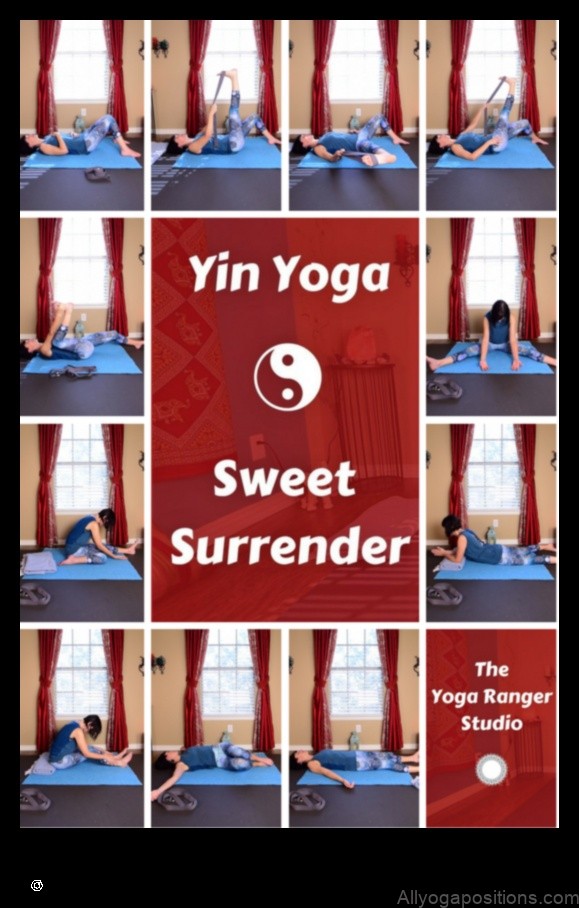
If you’re new to yoga, or if you’re looking for ways to deepen your practice, you may want to try incorporating some surrender poses into your routine. Here are a few poses to get you started:
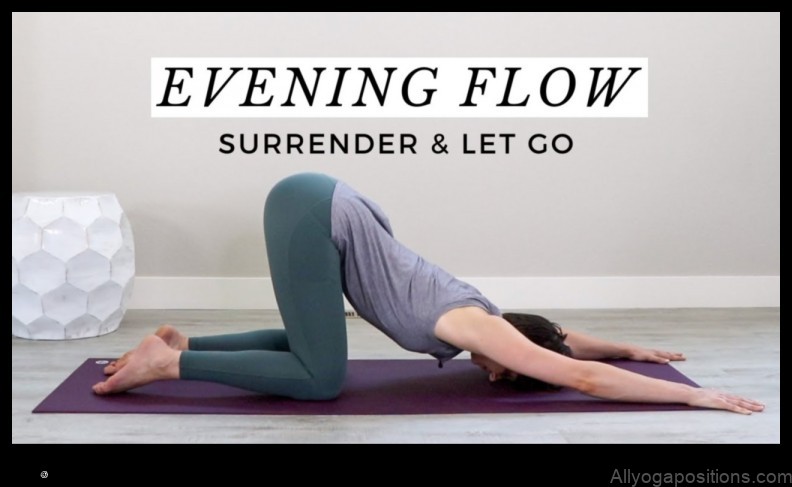
- Child’s pose
- Supta baddha konasana (reclining bound angle pose)
- Supine pigeon pose
- Supported bridge pose
- Savasana (corpse pose)
When you’re practicing surrender poses, it’s important to focus on letting go of tension and allowing your body to relax. You may also want to focus on your breath, and try to breathe deeply and slowly.
Surrender is a practice that takes time and effort to develop. But with consistent practice, you can learn to let go of control and open yourself up to the healing power of yoga.
Common Mistakes to Avoid
When you’re first starting out with yoga surrender, there are a few common mistakes to avoid. Here are a few tips to help you get started:
- Don’t force yourself into poses. If a pose is too difficult, modify it or come out of it altogether.
- Don’t hold your breath. Breathing deeply and slowly will help you to relax and surrender.
- Don’t compare yourself to others. Everyone is different, and we all have our own unique journey with yoga.
- Be patient. It takes time to develop the practice of surrender. Don’t get discouraged if you don’t see results immediately.
Yoga Surrender for Beginners
If you’re new to yoga, or if you’re looking for a gentle introduction to yoga surrender, you may want to start with these beginner poses:
- Child’s pose
- Supta baddha konasana (reclining bound angle pose)
- Supine pigeon pose
- Supported bridge pose
- Savasana (corpse pose)
These poses are all designed to help you relax and let go of tension. They are also all relatively easy to do, so they’re a great way to get started with yoga surrender.
Yoga Surrender for Advanced Practitioners
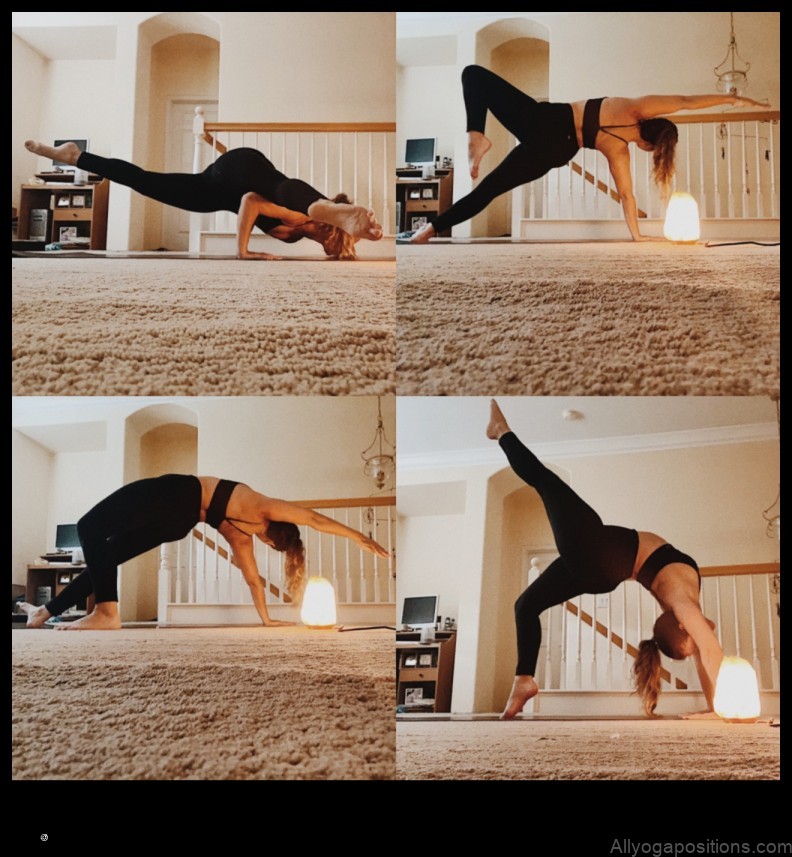
If you’re an advanced yoga practitioner, you may want to try incorporating some more challenging surrender poses into your practice. Here are a few poses to try:
- Shoulderstand
- Plow pose
- Headstand
- Shoulder stand with bound legs
- Sarvangasana (shoulder stand)
These poses are all challenging, but they can also be very rewarding. They are a great way to deepen your practice and connect with your body and mind.
Yoga Surrender for Different Body Types
Yoga surrender is a practice that can be adapted to different body types. Here are a few tips for practicing yoga surrender if you have a specific body type:
| Topic | Answer |
|---|---|
| Yoga | A mind and body practice with a 5,000-year history in ancient Indian philosophy. |
| Surrender | The act of letting go of control and allowing something to happen. |
| Letting go | The act of releasing tension and allowing the body to relax. |
| Asana | A yoga pose that is held for a period of time. |
| Mindfulness | The practice of paying attention to the present moment with awareness and acceptance. |
II. What is Yoga Surrender?
Yoga surrender is the practice of letting go of all tension and resistance in the body and mind. It is a way to relax and release stress, and to connect with your inner self.
When you surrender in yoga, you allow yourself to be open to new experiences, and to let go of any expectations or judgments. You surrender to the present moment, and to the flow of the yoga practice.
Yoga surrender is a powerful practice that can lead to deep relaxation, increased mindfulness, and a greater sense of peace and well-being.
What is Yoga Surrender?
Yoga surrender is the practice of letting go of all tension and resistance in the body and mind. It is a way to relax and connect with your inner self. When you surrender in yoga, you allow yourself to be open to new experiences and to receive the benefits of the practice.
Yoga surrender is not about giving up or giving in. It is about letting go of your attachments and allowing yourself to be free. When you surrender, you are not giving up on your goals or dreams. You are simply letting go of the need to control the outcome.
Yoga surrender is a practice that can be challenging at first. It can be difficult to let go of all of your tension and resistance. However, with practice, it becomes easier. And the benefits of yoga surrender are well worth the effort.
IV. How to Practice Yoga Surrender
Yoga surrender is a practice of letting go of all expectations, judgments, and attachments. It is about allowing yourself to be present in the moment and to experience the full range of emotions that arise during your practice.
When you surrender in yoga, you are not giving up on your goals or your practice. You are simply allowing yourself to be open to whatever happens, both good and bad. You are accepting that you are not in control and that there is a greater power at work.
Surrendering in yoga can be difficult, especially if you are used to being in control. But it is an important practice that can help you to relax, let go of stress, and connect with your true self.
Here are some tips for practicing yoga surrender:
- Start by taking some deep breaths. This will help you to relax and focus on the present moment.
- Let go of any expectations you have for your practice. Just focus on being present and on each pose.
- Allow yourself to feel whatever emotions arise during your practice. Don’t try to suppress or ignore them.
- Trust that you are safe and that you are supported by the universe.
Yoga surrender is a practice that takes time and dedication. But it is a practice that can be incredibly rewarding. When you surrender in yoga, you open yourself up to a deeper level of connection with yourself, your practice, and the world around you.
V. Common Mistakes to Avoid
When practicing yoga surrender, there are a few common mistakes that people make. Avoiding these mistakes can help you to get the most out of your practice and avoid injury.
- Trying to force yourself into poses.
- Holding your breath.
- Overstretching.
- Not listening to your body.
If you find yourself making any of these mistakes, try to correct them as soon as possible. You can also talk to your yoga teacher for help and guidance.
VI. Yoga Surrender for Beginners
Yoga surrender for beginners is a gentle and accessible way to learn the principles of mindfulness and letting go. Here are a few tips for beginners:
- Start with simple poses that are easy on your body.
- Focus on your breath and the sensations in your body.
- Don’t be afraid to modify poses as needed.
- Listen to your body and stop if you feel pain.
Here are a few poses that are good for beginners:
- Child’s pose
- Downward-facing dog
- Seated forward bend
- Standing forward bend
- Warrior II
Yoga surrender for beginners is a great way to relax, relieve stress, and connect with your body. By practicing yoga surrender, you can learn to let go of tension and stress, and find peace and tranquility in your life.
VII. Yoga Surrender for Advanced Practitioners
As you progress in your yoga practice, you may find that you are able to surrender more deeply in each pose. This is a natural progression, as you become more familiar with the poses and more comfortable with your body.
When you surrender in yoga, you are allowing yourself to let go of all of the tension and resistance in your body. You are allowing yourself to relax and simply be. This can be a very powerful experience, as it can help you to release stress and anxiety, and to connect with your inner peace.
If you are an advanced yoga practitioner, there are a few things that you can do to help you to surrender more deeply in your practice.
Focus on your breath. When you are in a pose, take a few deep breaths and focus on the sensations in your body. Allow yourself to relax and let go of any tension.
Visualize yourself letting go. Imagine that you are releasing all of the tension and stress in your body. See yourself relaxing and letting go.
Be present in the moment. When you are in a pose, try to focus on the present moment. Don’t think about the past or the future. Just focus on being in the pose and on the sensations in your body.
Surrendering in yoga can be a very rewarding experience. It can help you to relax, to connect with your inner peace, and to improve your overall well-being. If you are an advanced yoga practitioner, I encourage you to experiment with surrender and to see how it can benefit your practice.
Yoga Surrender for Different Body Types
VIII. Yoga Surrender for Different Body Types
Yoga surrender is a practice that can be beneficial for people of all body types. However, there are some specific considerations that people with different body types may want to keep in mind when practicing yoga surrender.
For example, people with tight hamstrings may find it difficult to sit in certain poses, such as lotus pose or half-lotus pose. In these cases, it is important to listen to your body and modify the pose as needed. You may want to sit on a block or cushion to raise your hips and make the pose more accessible.
People with injuries should also be cautious when practicing yoga surrender. It is important to avoid poses that put too much strain on your injured area. If you are unsure whether a pose is safe for you, talk to your doctor or a yoga instructor.
Overall, yoga surrender is a practice that can be beneficial for people of all body types. By listening to your body and modifying the poses as needed, you can find a way to practice yoga surrender that is both safe and enjoyable.
IX. Yoga Surrender for Different Ages
Yoga surrender can be practiced by people of all ages, but there are some modifications that may be necessary for younger or older practitioners.
For younger children, it is important to focus on making yoga fun and enjoyable. This can be done by using games, music, and stories to help them learn the poses. It is also important to keep the practice short and sweet, as young children have short attention spans.
For older adults, it is important to focus on safety and modifying poses as needed. This may mean taking things slowly, using props, or avoiding certain poses altogether. It is also important to listen to your body and stop if you feel pain.
No matter your age, yoga surrender can be a beneficial practice that can help you to connect with your body, mind, and spirit.
X. FAQ
Q1: What is Yoga Surrender?
Yoga surrender is the practice of letting go of all tension and resistance in the body and mind. It is a way to relax and connect with your true nature.
Q2: What are the benefits of Yoga Surrender?
Yoga surrender can have many benefits, including:
* Increased relaxation
* Reduced stress
* Improved sleep
* Increased energy
* Enhanced mindfulness
* Deeper connection to your true nature
Q3: How do I practice Yoga Surrender?
There are many ways to practice Yoga Surrender. Some simple practices include:
* Taking a few deep breaths and letting go of any tension in your body.
* Closing your eyes and imagining yourself letting go of all your worries and concerns.
* Practicing yoga poses while focusing on relaxing and letting go of any tension.
Table of Contents
Maybe You Like Them Too
- Tranquil Touchpoints Yoga for Inner ConnectionA gentle yoga practice to help you find peace and balance in your mind, body, and spirit.
- Yoga for Rehabilitation A Holistic Approach to Healing the Body
- Tolasana Yoga Pose A Guide to This Inverted Backbend
- Yoga for PTSD Recovery A Mindful Way to Heal
- Tittibhasana Yoga Pose A Guide to This Inverted Arm Balance