

Yoga for Mental Resilience: Building Strength from Within
Yoga is a mind-body practice that has been shown to have many benefits for mental health, including reducing stress, anxiety, and depression. It can also help to improve mood, self-esteem, and mindfulness.
This article will discuss how yoga can help to improve mental resilience, and provide tips for getting started with a yoga practice for mental health.

What is yoga?
Yoga is a mind-body practice that originated in ancient India. It involves a series of poses (asanas), breathing exercises (pranayama), and meditation.
Yoga is often practiced in a class setting, but it can also be done at home. There are many different types of yoga, so you can find a style that fits your needs and interests.
How can yoga help with mental resilience?
Yoga can help to improve mental resilience in a number of ways.
It can reduce stress and anxiety. Yoga helps to relax the body and mind, which can reduce stress levels and improve mood.
It can improve self-esteem. Yoga can help people to feel more connected to their bodies and minds, which can improve self-esteem.
It can promote mindfulness. Yoga can help people to become more mindful of their thoughts and feelings, which can help them to cope with stress and anxiety more effectively.
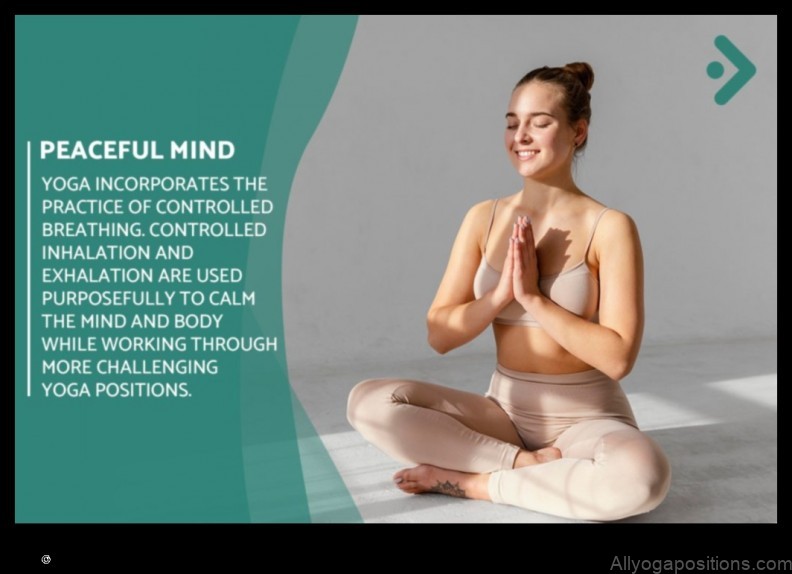
The benefits of yoga for mental health
Yoga has been shown to have many benefits for mental health, including:
Reduced stress and anxiety
Improved mood
Increased self-esteem
Improved mindfulness
Reduced pain
Improved sleep
Enhanced relaxation
Different types of yoga for mental health
There are many different types of yoga, so you can find a style that fits your needs and interests. Some of the most popular types of yoga for mental health include:
Hatha yoga: This is a gentle form of yoga that focuses on the basics of yoga, such as poses, breathing exercises, and meditation.
Vinyasa yoga: This is a more dynamic form of yoga that flows from one pose to the next. It can be more challenging than hatha yoga, but it can also be very energizing.
Yin yoga: This is a slow and restorative form of yoga that focuses on holding poses for long periods of time. It can be very relaxing and can help to release tension in the body.
How to get started with yoga for mental health
If you’re new to yoga, it’s a good idea to start with a beginner class. This will help you to learn the basics of yoga and how to do the poses safely.
Once you’ve learned the basics, you can start practicing yoga at home. There are many different resources available to help you get started, such as books, DVDs, and online classes.
It’s important to find a time and place to practice yoga that works for you. Make sure you have enough space to practice and that you’re comfortable.
When you’re practicing yoga, it’s important to listen to your body. If you feel pain or discomfort, stop and adjust the pose. You should never push yourself too hard.
Tips for practicing yoga for mental health
Here are some tips for practicing yoga for mental health:
Start slowly and gradually increase the intensity of your practice over time.
Listen to your body and adjust the poses as needed.
Don’t push yourself too hard.
Practice yoga in a safe and comfortable environment.
Make time for relaxation and meditation after your yoga practice.
FAQs about yoga for mental health
Q: How often should I practice yoga for mental health?
A: There is no one-size-fits-all answer to this question. The frequency of your yoga practice will depend on your individual needs and preferences. However, most people find that practicing yoga 2-3 times per week is beneficial for mental health.
| Topic | Answer |
|---|---|
| Yoga | A mind and body practice with a 5,000-year history in ancient Indian philosophy. |
| Mental resilience | The ability to cope with stress, adversity, and trauma. |
| Strength | Physical, mental, and emotional strength. |
| Mindfulness | The practice of paying attention to the present moment with acceptance and without judgment. |
| Meditation | A practice that involves training the mind to focus on a particular object, thought, or sensation. |
II. What is yoga?
Yoga is a mind and body practice with a 5,000-year history in ancient Indian philosophy. It combines physical postures, breathing exercises, and meditation or relaxation. Yoga is often used to improve physical and mental health.
III. How can yoga help with mental resilience?
Yoga can help with mental resilience in a number of ways.
- Yoga can help to reduce stress and anxiety.
- Yoga can help to improve mood and well-being.
- Yoga can help to increase mindfulness and self-awareness.
- Yoga can help to improve flexibility, strength, and balance.
- Yoga can help to connect you with your body and mind.
When you practice yoga, you are taking time for yourself to relax, focus on your breath, and move your body. This can help to reduce stress and anxiety, improve mood, and increase mindfulness. Yoga can also help you to connect with your body and mind, which can give you a greater sense of control over your life.
In addition to the physical benefits of yoga, there are also a number of mental benefits. Yoga can help to improve your mood, increase your sense of well-being, and reduce stress and anxiety. Yoga can also help you to develop mindfulness and self-awareness, which can help you to cope with challenges more effectively.
IV. The benefits of yoga for mental health
Yoga has been shown to have a number of benefits for mental health, including reducing stress, improving mood, and boosting self-esteem. A 2018 study published in the journal JAMA Internal Medicine found that people who practiced yoga for 8 weeks experienced a significant reduction in stress levels, compared to those who did not practice yoga. The study also found that yoga helped to improve participants’ mood and self-esteem.
Other studies have found that yoga can help to improve sleep quality, reduce pain, and manage chronic conditions such as anxiety and depression. A 2017 study published in the journal Frontiers in Psychology found that yoga was effective in reducing symptoms of anxiety and depression in people with chronic pain. The study also found that yoga helped to improve participants’ sleep quality and overall well-being.
Yoga is a safe and effective way to improve mental health. It is a low-impact exercise that can be modified to meet the needs of people of all ages and abilities. Yoga can be practiced at home or in a studio, and it can be incorporated into a regular exercise routine or used as a standalone practice.
V. Different types of yoga for mental health
There are many different types of yoga that can be beneficial for mental health. Some of the most popular types of yoga for mental health include:
- Yoga Nidra
- Hatha yoga
- Kundalini yoga
- Iyengar yoga
- Ashtanga yoga
Each type of yoga has its own unique benefits for mental health. For example, Yoga Nidra is a type of yoga that is designed to promote deep relaxation and stress relief. Hatha yoga is a type of yoga that focuses on physical postures and breathing exercises. Kundalini yoga is a type of yoga that is designed to awaken the kundalini energy, which is said to be located at the base of the spine. Iyengar yoga is a type of yoga that focuses on precision and alignment. Ashtanga yoga is a type of yoga that is characterized by its fast-paced, vigorous movements.
It is important to find a type of yoga that you enjoy and that fits your individual needs and preferences. If you are not sure what type of yoga is right for you, you can talk to your doctor or a yoga instructor.
VI. How to get started with yoga for mental healthIf you’re new to yoga, it’s important to start slowly and gradually increase the amount of time you practice each week. You may want to start with just a few minutes of yoga each day and gradually increase the length of your practice as you feel comfortable.
It’s also important to find a yoga teacher who is experienced in teaching yoga for mental health. This person should be able to help you modify poses as needed and provide support and guidance as you learn and grow.
Here are some tips for getting started with yoga for mental health:
- Find a beginner yoga class or program that is specifically designed for mental health.
- Listen to your body and modify poses as needed.
- Practice yoga in a safe and supportive environment.
- Make time for yoga in your daily routine and practice regularly.
VII. Tips for practicing yoga for mental health
Here are some tips for practicing yoga for mental health:
- Start slowly and gradually increase the intensity of your practice as you feel comfortable.
- Listen to your body and avoid pushing yourself too hard.
- Find a yoga practice that you enjoy and that fits your individual needs.
- Make time for relaxation and meditation after your yoga practice.
- Practice yoga regularly to see the most benefits.
Yoga can be a great way to improve your mental health and well-being. By following these tips, you can get the most out of your yoga practice and enjoy all the benefits it has to offer.
FAQs about yoga for mental health
Here are some common questions about yoga for mental health and their answers:
-
Can yoga really help with mental health problems?
-
What are the benefits of yoga for mental health?
-
What types of yoga are best for mental health?
-
How can I get started with yoga for mental health?
-
What are some tips for practicing yoga for mental health?
Yoga is a powerful tool for improving mental resilience and building strength from within. It can help to reduce stress, anxiety, and depression, and it can also help to improve mood, sleep, and overall well-being. If you are looking for a way to improve your mental health and well-being, yoga is a great option.
There are many different types of yoga, so you can find a practice that fits your needs and interests. You can start practicing yoga at home or at a local studio. If you are new to yoga, it is a good idea to find a beginner class or to work with a qualified instructor.
Yoga is a lifelong practice, and it is important to be patient and persistent. With regular practice, you will begin to experience the benefits of yoga for mental resilience.
FAQs about yoga for mental health
Q: What is yoga?
A: Yoga is a mind-body practice that originated in ancient India. It combines physical postures, breathing exercises, and meditation.
Q: How can yoga help with mental resilience?
A: Yoga can help to improve mental resilience by reducing stress, anxiety, and depression. It can also help to increase mindfulness, self-awareness, and self-compassion.
Q: What are the benefits of yoga for mental health?
A: The benefits of yoga for mental health include:
* Reduced stress and anxiety
* Improved mood
* Increased mindfulness
* Enhanced self-awareness
* Increased self-compassion
* Improved sleep quality
Table of Contents
Maybe You Like Them Too
- Tranquil Touchpoints Yoga for Inner ConnectionA gentle yoga practice to help you find peace and balance in your mind, body, and spirit.
- Yoga for Rehabilitation A Holistic Approach to Healing the Body
- Tolasana Yoga Pose A Guide to This Inverted Backbend
- Yoga for PTSD Recovery A Mindful Way to Heal
- Tittibhasana Yoga Pose A Guide to This Inverted Arm Balance