
Yoga for Sound Sleep: Creating a Serene Bedtime Routine
Yoga is a holistic practice that can help to improve sleep quality. By combining physical postures, breathing exercises, and meditation, yoga can help to relax the body and mind, reduce stress and anxiety, and promote a sense of calm and well-being.
In this article, we will discuss the benefits of yoga for sleep, how to practice yoga for sleep, and some tips for creating a bedtime routine that will help you fall asleep more easily.
Benefits of Yoga for Sleep
Yoga has been shown to have a number of benefits for sleep, including:
- Relaxing the body and mind
- Reducing stress and anxiety
- Promoting a sense of calm and well-being
- Improving sleep quality
- Reducing the risk of insomnia
How to Practice Yoga for Sleep
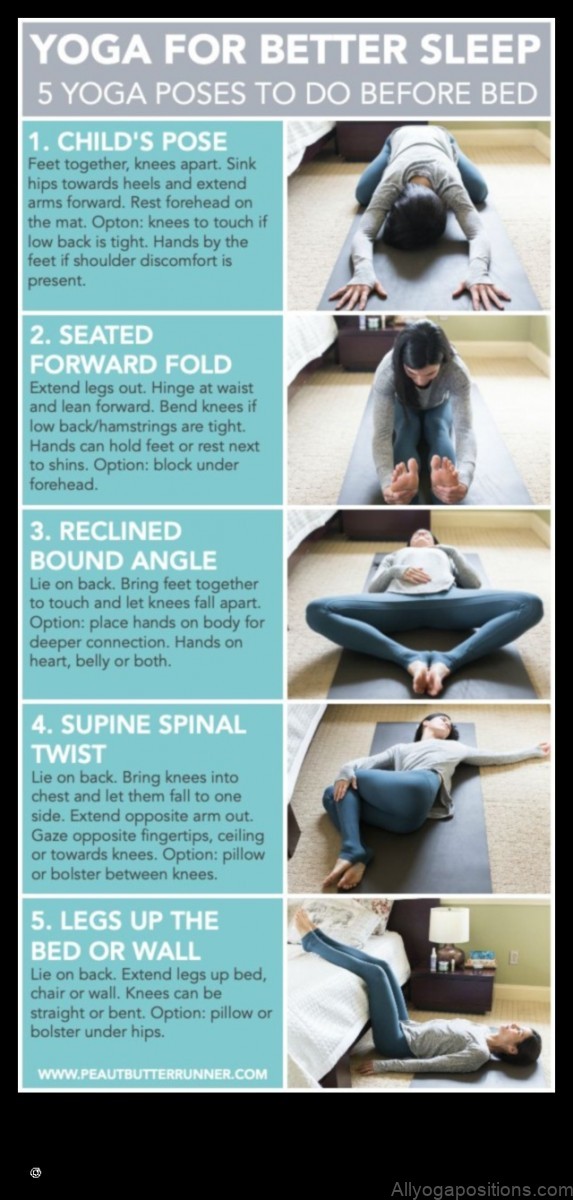
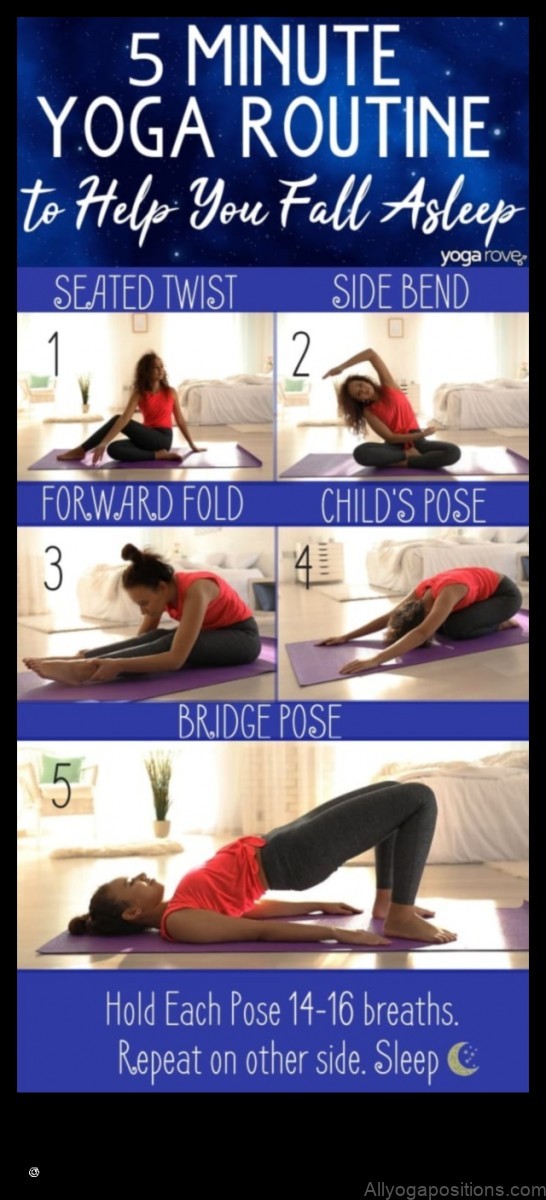
When practicing yoga for sleep, it is important to choose poses that are gentle and relaxing. Some good options include:
- Child’s pose
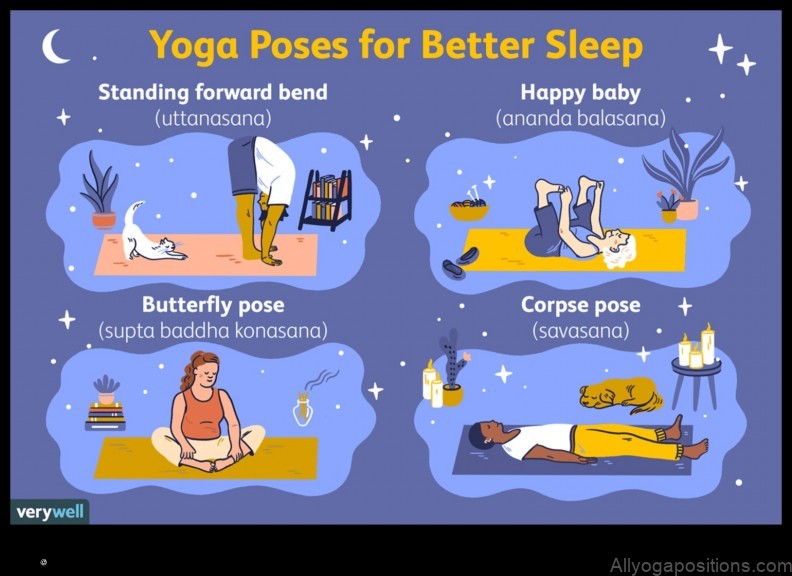
- Corpse pose
- Supported bridge pose
- Supine twist
- Seated forward bend
It is also important to focus on your breathing during yoga for sleep. Slow, deep breaths can help to relax the body and mind, and promote a sense of calm and well-being.
Yoga Poses for Sleep
Here are some specific yoga poses that can help to promote sleep:
- Child’s pose: This pose is a great way to relax the body and mind. To come into child’s pose, kneel on the floor with your toes together and your knees hip-width apart. Lower your torso over your thighs, resting your forehead on the ground. Allow your arms to extend forward, palms facing down. Hold this pose for 5-10 breaths.
- Corpse pose: This pose is the ultimate relaxation pose. To come into corpse pose, lie on your back with your legs extended and your arms at your sides. Close your eyes and relax your entire body. Allow your mind to wander freely. Hold this pose for as long as you like.
- Supported bridge pose: This pose is a great way to stretch the spine and relieve tension in the back. To come into supported bridge pose, lie on your back with your knees bent and your feet flat on the floor. Place your arms under your thighs, just above your knees. Inhale and lift your hips off the floor, keeping your shoulders and feet on the ground. Hold this pose for 5-10 breaths.
- Supine twist: This pose is a great way to relieve tension in the back and shoulders. To come into supine twist, lie on your back with your knees bent and your feet flat on the floor. Cross your right leg over your left leg and bring your right ankle to your left knee. Gently twist your upper body to the right, resting your left hand on your right knee. Hold this pose for 5-10 breaths. Repeat on the other side.
- Seated forward bend: This pose is a great way to stretch the hamstrings and relieve tension in the lower back. To come into seated forward bend, sit on the floor with your legs extended in front of you. Bend forward from your hips, keeping your back straight. Allow your arms to hang down and your head to rest on the floor. Hold this pose for 5-10 breaths.
Breathing Exercises for Sleep
Breathing exercises can be a powerful tool for promoting sleep. When you breathe slowly and deeply, you send a message to your body that it is time to relax and wind down.
Here are some breathing
| Feature | Answer |
|---|---|
| Yoga for sleep | Yoga can help to improve sleep quality by reducing stress and anxiety, promoting relaxation, and improving overall sleep hygiene. |
| Bedtime routine | A bedtime routine can help to create a relaxing environment and prepare your body for sleep. |
| Relaxation | Yoga can help to promote relaxation by reducing muscle tension, improving blood flow, and calming the mind. |
| Stress relief | Yoga can help to reduce stress by improving mood, decreasing cortisol levels, and increasing mindfulness. |
| Mindfulness | Yoga can help to promote mindfulness by teaching you how to focus on the present moment and let go of stress and anxiety. |
Introduction
Yoga is a mind-body practice that has been shown to have a number of benefits for sleep, including improving sleep quality, reducing sleep latency (the time it takes to fall asleep), and increasing sleep duration.
Yoga can also help to reduce stress and anxiety, which can both interfere with sleep.
In this article, we will discuss the benefits of yoga for sleep, how to practice yoga for sleep, and some specific yoga poses and breathing exercises that can be helpful for improving sleep.
III. How to Practice Yoga for Sleep
Yoga for sleep can be practiced at any time of day, but it is best to practice it in the evening, at least 2-3 hours before bedtime. This will help to relax your body and mind, and make it easier to fall asleep.
When practicing yoga for sleep, it is important to focus on gentle, relaxing poses that will help to promote relaxation and sleep. Some good poses for sleep include:
- Child’s pose
- Supine twist
- Corpse pose
- Bridge pose
- Supported savasana
It is also important to focus on your breathing during yoga for sleep. Slow, deep breaths will help to relax your body and mind, and make it easier to fall asleep.
In addition to practicing yoga poses, there are a few other things you can do to improve your sleep with yoga. These include:
- Create a relaxing bedtime routine
- Avoid caffeine and alcohol before bed
- Get regular exercise
- Eat a healthy diet
- Get enough sunlight during the day
By following these tips, you can use yoga to improve your sleep quality and wake up feeling refreshed and energized.
IV. Yoga Poses for Sleep
The following yoga poses are specifically designed to promote relaxation and sleep. They can be practiced individually or as part of a bedtime yoga routine.
1. Child’s pose
2. Reclining butterfly pose
3. Supine twist
4. Legs-up-the-wall pose
5. Savasana (corpse pose)
For more information on these poses, please see the following resources:
V. Breathing Exercises for Sleep
Breathing exercises are a powerful way to relax the body and mind, and can help to promote sleep. Here are two simple breathing exercises that you can try before bed:
-
The 4-7-8 breathing exercise: This exercise is a simple and effective way to relax and promote sleep. To do it, sit or lie in a comfortable position and close your eyes. Inhale slowly and deeply through your nose for a count of 4. Hold your breath for a count of 7. Exhale slowly and completely through your mouth for a count of 8. Repeat this cycle for 4-5 rounds.
-
The diaphragmatic breathing exercise: This exercise helps to slow down your heart rate and breathing, which can promote relaxation and sleep. To do it, sit or lie in a comfortable position and place one hand on your chest and one hand on your stomach. Inhale slowly and deeply through your nose, allowing your stomach to expand and your chest to rise. Exhale slowly and completely through your mouth, allowing your stomach to contract and your chest to fall. Repeat this cycle for 5-10 minutes.
These breathing exercises are just two examples of many that can be used to promote sleep. If you have difficulty falling asleep, try incorporating some breathing exercises into your bedtime routine. You may find that they help you to relax and fall asleep more easily.
6. Conclusion
Yoga is a powerful tool that can be used to improve sleep quality. By incorporating yoga into your daily life, you can reduce stress, relax your body, and improve your overall sleep. If you are struggling with sleep problems, I encourage you to give yoga a try. It may just be the solution you have been looking for.
VII. Tips for Improving Sleep with Yoga
Here are some tips for improving sleep with yoga:
- Practice yoga at least 30 minutes before bedtime.
- Choose calming yoga poses that will help you relax.
- Avoid practicing yoga if you are feeling stressed or anxious.
- Focus on your breath and let go of any thoughts that come into your mind.
- Create a relaxing bedtime routine to help you wind down before bed.
Yoga can be a great way to improve your sleep quality and get a good night’s rest. By following these tips, you can use yoga to create a serene bedtime routine that will help you wake up feeling refreshed and energized.
Common Questions about Yoga for Sleep
Here are some common questions about yoga for sleep:
- Does yoga really help you sleep better?
- What are the best yoga poses for sleep?
- How long should I practice yoga before bed?
- Can yoga help with other sleep problems, such as insomnia or sleep apnea?
- Are there any risks associated with practicing yoga for sleep?
To learn more about these questions, please read our article on yoga for sleep.
IX. Conclusion
Yoga is a powerful tool that can be used to improve sleep quality. By incorporating yoga into your daily life, you can promote relaxation, reduce stress, and improve your overall sleep habits. If you are struggling with sleep problems, I encourage you to give yoga a try. It may just be the solution you are looking for.
Here are some additional tips for improving your sleep:
- Establish a regular sleep schedule and stick to it as much as possible, even on weekends.
- Create a relaxing bedtime routine that will help you wind down before bed.
- Make sure your bedroom is dark, quiet, and cool.
- Avoid caffeine and alcohol before bed.
- Get regular exercise, but avoid working out too close to bedtime.
- See a doctor if you have chronic sleep problems.
By following these tips, you can improve your sleep quality and wake up feeling refreshed and energized.
X. FAQ
1. What is yoga for sleep?
2. What are the benefits of yoga for sleep?
3. How can I practice yoga for sleep?
Table of Contents
Maybe You Like Them Too
- Tranquil Touchpoints Yoga for Inner ConnectionA gentle yoga practice to help you find peace and balance in your mind, body, and spirit.
- Yoga for Rehabilitation A Holistic Approach to Healing the Body
- Tolasana Yoga Pose A Guide to This Inverted Backbend
- Yoga for PTSD Recovery A Mindful Way to Heal
- Tittibhasana Yoga Pose A Guide to This Inverted Arm Balance