
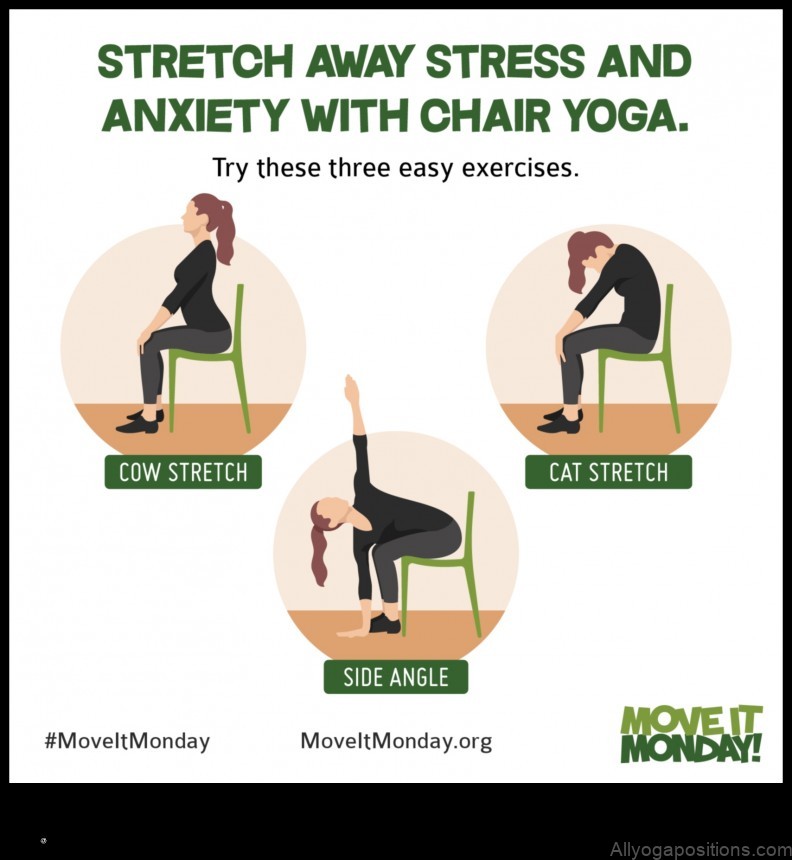
Chair Yoga: Seated Poses for All Abilities
Chair yoga is a gentle form of yoga that can be practiced by people of all ages and abilities. It is a great way to improve flexibility, strength, and balance, and it can also help to reduce stress and anxiety.
This guide will provide you with an introduction to chair yoga, including the benefits of the practice, contraindications, how to choose the right poses, and common poses. We will also provide tips for practicing chair yoga safely and effectively.
If you are new to yoga, or if you have any physical limitations, it is important to consult with your doctor before starting any new exercise program.
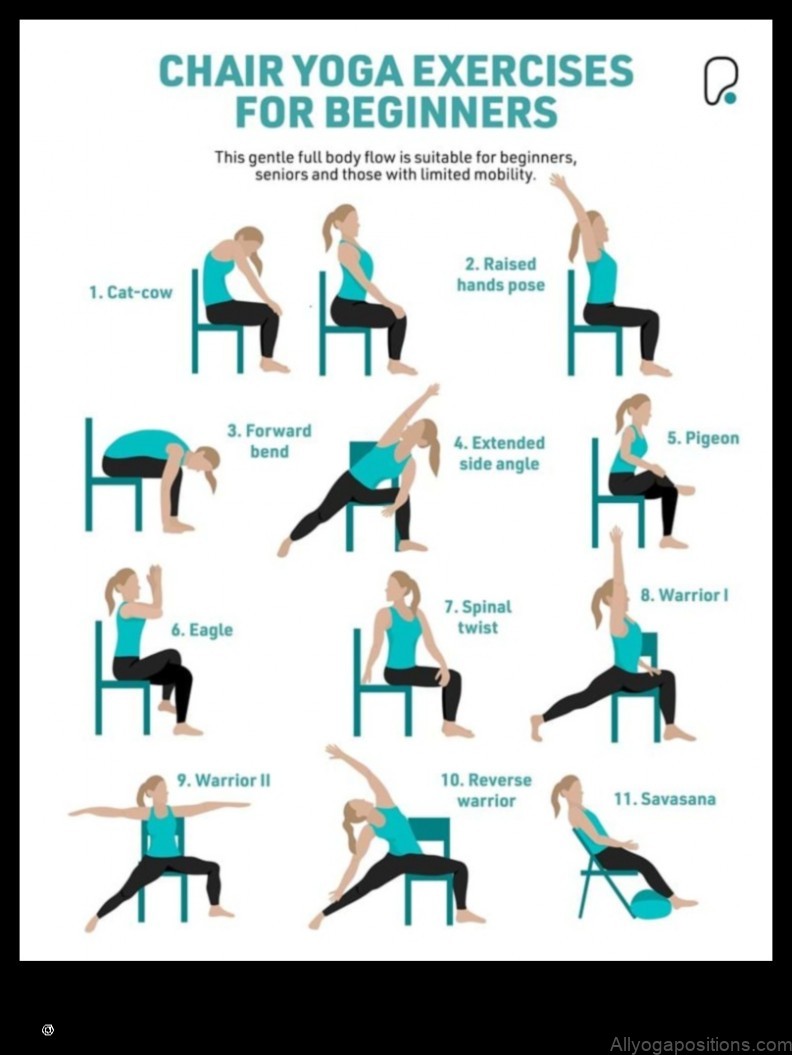
Benefits of Chair Yoga
Chair yoga offers a number of benefits for people of all ages and abilities. These benefits include:
- Improved flexibility
- Increased strength
- Improved balance
- Reduced stress and anxiety
- Improved sleep
- Reduced pain
- Improved circulation
- Enhanced overall well-being
Contraindications for Chair Yoga
There are some conditions that may make chair yoga unsafe or inadvisable. These include:
- Uncontrolled high blood pressure
- Recent surgery
- Pregnancy
- Fractures or other injuries
- Severe pain
If you have any of these conditions, it is important to consult with your doctor before starting any new exercise program.
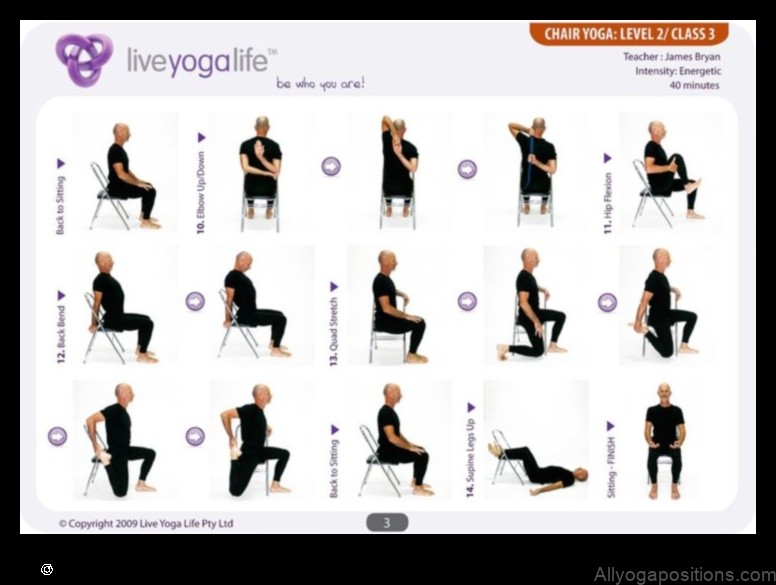
How to Choose the Right Poses
When choosing chair yoga poses, it is important to select poses that are appropriate for your fitness level and abilities. If you are new to yoga, it is best to start with simple poses and gradually progress to more challenging poses as your flexibility and strength improve.
Some good beginner poses include:
- Easy chair pose
- Seated forward bend
- Seated twist
- Cat-cow pose
- Standing forward bend
As you progress, you can try more challenging poses such as:
- Chair warrior pose
- Chair half moon pose
- Chair bridge pose
- Chair pigeon pose
- Standing balance pose
How to Practice Chair Yoga Safely
When practicing chair yoga, it is important to take the following precautions to avoid injury:
- Start slowly and gradually progress to more challenging poses.
- Listen to your body and stop if you feel pain.
- Be aware of your limits and don’t push yourself too hard.
- Stay hydrated by drinking plenty of water before, during, and after your practice.
- Warm up before your practice and cool down afterwards.
Tips for Getting the Most Out of Chair Yoga
Here are some tips for getting the most out of your chair yoga practice:
- Practice regularly. The more you practice, the more benefits you will experience.
- Find a quiet place where you can practice without distractions.
- Wear comfortable clothing that allows you to move freely.
- Bring a water bottle to stay hydrated.
- Set aside time for relaxation and meditation after your practice.
Seated Yoga Poses for Beginners
The following are some seated yoga poses that are good for beginners:
- Easy chair pose
- Seated forward bend
- Seated twist
- Cat-cow pose
- Your level of flexibility. If you’re new to yoga or have limited flexibility, choose poses that are gentle and don’t require you to stretch too far.
- Your pain level. If you have any pain or injuries, avoid poses that aggravate your symptoms.
- Your goals for yoga. If you’re looking for a more restorative practice, choose poses that are calming and relaxing. If you’re looking for a more challenging practice, choose poses that will help you build strength and flexibility.
- Easy seated forward bend
- Seated twist
- Seated chair pose
- Seated cat-cow
- Seated half-moon
- Seated warrior II
- Seated bridge
- Seated shoulder stand
- Seated lotus pose
- Easy Pose (Sukhasana)
- Seated Forward Fold (Paschimottanasana)
- Cobbler’s Pose (Baddha Konasana)
- Half Lotus Pose (Ardha Padmasana)
- Seated Spinal Twist (Ardha Matsyendrasana)
- Seated Head-to-Knee Pose (Janu Sirsasana)
- Seated Cat-Cow Pose (Marjaryasana-Bitilasana)
- Seated Warrior Pose (Virabhadrasana II)
- Seated Tree Pose (Vrksasana)
- Start slowly and gradually increase the intensity of your practice as you become more comfortable.
- Listen to your body and stop if you feel pain.
- Be aware of your posture and make sure to keep your spine aligned.
- Use props such as a chair, block, or bolster to support your body and make the poses more comfortable.
- Practice in a safe environment where you have plenty of space and won’t be interrupted.
- Start slowly and gradually increase the duration and intensity of your practice as you get stronger and more flexible.
- Listen to your body and modify poses as needed. There is no need to force yourself into a pose that is uncomfortable.
- Focus on your breath and let go of any tension in your body.
- Be present in the moment and enjoy the benefits of your practice.
- Easy Pose (Sukhasana): Sit with your legs crossed in front of you. Rest your hands on your knees or thighs.
- Cobbler’s Pose (Baddha Konasana): Sit with your legs extended in front of you. Bend your knees and bring the soles of your feet together. Hold onto your feet or ankles.
- Seated Forward Bend (Paschimottanasana): Sit with your legs extended in front of you. Bend forward from your hips and reach for your toes. Hold onto your shins or ankles if you cannot reach your toes.
- Standing Forward Bend (Uttanasana): Stand with your feet shoulder-width apart. Bend forward from your hips and reach for your toes. Hold onto your shins or ankles if you cannot reach your toes.
- Child’s Pose (Balasana): Come to your hands and knees. Lower your torso between your thighs and rest your forehead on the ground.
- Seated Twist (Parivrtta Sukhasana): Sit with your legs crossed in front of you. Bend your right knee and bring your right foot to the outside of your left thigh. Rotate your torso to the right and place your left hand on the floor behind you.
- Half-Kneeling Forward Bend (Ardha Uttanasana): Come to your hands and knees. Lower your right knee to the ground and extend your left leg behind you. Bend forward from your hips and reach for your left toes. Hold onto your shin or ankle if you cannot reach your toes.
- Camel Pose (Ustrasana): Come to your hands and knees. Exhale and arch your back, lifting your hips and chest up. Keep your shoulders relaxed and your head down.
- Improved flexibility
- Strengthened muscles
- Reduced pain
- Improved balance
- Reduced stress
- Improved circulation
- Enhanced relaxation
- Unstable or weak ankles
- Recent knee or hip surgery
- Hernia
- Pregnancy
- Easy Pose (Sukhasana)
- Cobbler’s Pose (Baddha Konasana)
- Seated Forward Fold (Paschimottanasana)
- Seated Spinal Twist (Ardha Matsyendrasana)
- Child’s Pose (Balasana)
- Tranquil Touchpoints Yoga for Inner ConnectionA gentle yoga practice to help you find peace and balance in your mind, body, and spirit.
- Yoga for Rehabilitation A Holistic Approach to Healing the Body
- Tolasana Yoga Pose A Guide to This Inverted Backbend
- Yoga for PTSD Recovery A Mindful Way to Heal
- Tittibhasana Yoga Pose A Guide to This Inverted Arm Balance
| Feature | Description |
|---|---|
| Chair Yoga | Yoga poses that can be done while sitting in a chair |
| Seated Yoga | Yoga poses that are done while sitting on the floor |
| Yoga for Beginners | Yoga poses that are designed for beginners |
| Yoga for Seniors | Yoga poses that are designed for seniors |
| Yoga for All Levels | Yoga poses that are suitable for people of all levels of ability |
2. Benefits of Seated Yoga Poses
Seated yoga poses offer a number of benefits for people of all ages and abilities. These benefits include:
* Increased flexibility
* Improved balance
* Reduced pain
* Enhanced relaxation
* Improved circulation
* Reduced stress
* Improved sleep
* Increased energy
* Strengthened core muscles
* Improved posture
* Reduced anxiety
3. Contraindications for Seated Yoga Poses
There are some contraindications for seated yoga poses, which means that you should not do them if you have certain health conditions. These include:
Heart disease. Seated yoga poses can put pressure on the heart, so if you have heart disease, you should avoid them.
High blood pressure. Seated yoga poses can also raise blood pressure, so if you have high blood pressure, you should avoid them.
Pregnancy. Some seated yoga poses can be harmful to pregnant women, so you should avoid them if you are pregnant.
Back pain. Some seated yoga poses can aggravate back pain, so you should avoid them if you have back pain.
Neck pain. Some seated yoga poses can aggravate neck pain, so you should avoid them if you have neck pain.
Other injuries. If you have any other injuries, you should avoid seated yoga poses that could aggravate your injury.
If you have any questions about whether or not you should do seated yoga poses, talk to your doctor.
4. How to Choose the Right Seated Yoga Poses
There are many different seated yoga poses to choose from, so it’s important to find ones that are right for your individual needs and abilities. Here are a few things to consider when choosing seated yoga poses:
Once you’ve considered these factors, you can start to choose seated yoga poses that are right for you. Here are a few suggestions:
These are just a few examples of seated yoga poses. There are many other poses to choose from, so experiment until you find ones that you enjoy and that help you reach your goals.
5. Common Seated Yoga Poses
Here are some common seated yoga poses that are suitable for beginners and advanced practitioners alike:
For more information on these poses, please see our list of seated yoga poses.
6. How to Practice Seated Yoga Poses Safely
When practicing seated yoga poses, it is important to focus on safety and alignment. Here are a few tips to help you practice safely:
By following these tips, you can safely enjoy the many benefits of seated yoga poses.
For more information on how to practice seated yoga poses safely, please consult with a qualified yoga instructor.
7. Tips for Getting the Most Out of Seated Yoga Poses
Here are some tips for getting the most out of your seated yoga practice:
Seated yoga can be a great way to improve your flexibility, strength, and balance. It can also help you reduce stress and improve your overall well-being. If you are new to yoga, be sure to start slowly and gradually increase the intensity of your practice as you get stronger and more flexible. And remember, the most important thing is to listen to your body and enjoy the process.
Seated Yoga Poses for Beginners
Seated yoga poses are a great way for beginners to get started with yoga. They are gentle on the joints and can be modified to accommodate a variety of fitness levels.
Here are some seated yoga poses for beginners:
These are just a few of the many seated yoga poses that are available. You can find more information on seated yoga poses in books, online resources, and from yoga teachers.
Seated yoga poses are a great way to get started with yoga and to improve your flexibility, strength, and balance. They are also a great way to relieve stress and promote relaxation.
9. Seated Yoga Poses for Advanced Practitioners
Seated yoga poses can be just as challenging as standing poses, and they can provide a number of benefits for advanced practitioners, including:
* Increased flexibility
* Improved balance
* Increased strength
* Reduced stress
* Improved circulation
* Enhanced relaxation
Some of the seated yoga poses that are particularly beneficial for advanced practitioners include:
* Half-lotus pose (ardha padmasana)
* Seated forward bend (paschimottanasana)
* Seated twist (parivrtta sukhasana)
* Seated shoulder stand (sarvangasana)
* Headstand (sirsasana)
These poses should be practiced with caution and only if you have the necessary flexibility and strength. It is important to listen to your body and avoid any poses that cause pain.
If you are new to yoga, it is best to start with the beginner poses and work your way up to the more advanced poses. With practice, you will be able to enjoy the many benefits of seated yoga poses.
FAQ About Seated Yoga Poses
Q: What are the benefits of seated yoga poses?
A: Seated yoga poses can offer a number of benefits, including:
Q: What are the contraindications for seated yoga poses?
A: Seated yoga poses should not be performed if you have any of the following conditions:
Q: How do I choose the right seated yoga poses for me?
A: When choosing seated yoga poses, it is important to consider your individual fitness level and abilities. If you are new to yoga, start with simple poses and gradually progress to more challenging poses as your strength and flexibility improves. Some good beginner seated yoga poses include:
Table of Contents