
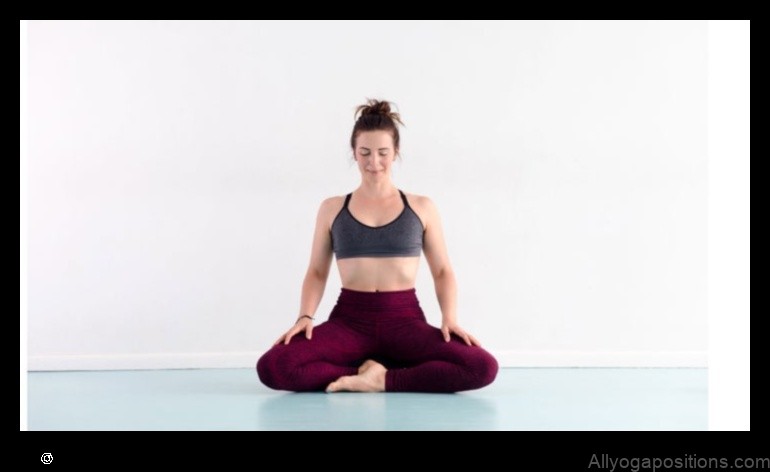
Conqueror Breath Yoga Pose
Conqueror breath yoga pose, also known as ujjayi breath or kapalabhati breath, is a breathing exercise that is said to have a number of benefits for both physical and mental health. It is a powerful pranayama technique that can help to improve circulation, reduce stress, and promote relaxation.
In this article, we will discuss the conqueror breath yoga pose in detail. We will cover what it is, how to do it, and what benefits it can offer. We will also provide tips on how to avoid common mistakes when doing this pose.
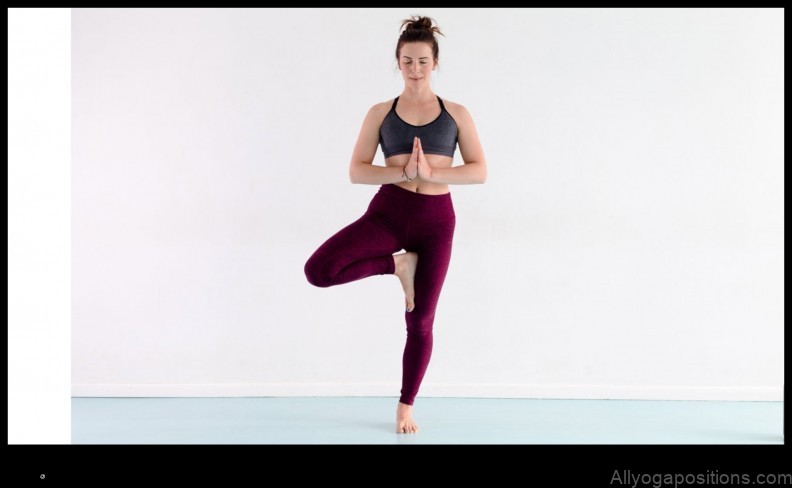
What is Ujjayi Breath?
Ujjayi breath is a type of pranayama, which is a Sanskrit word that means “control of the breath.” It is a deep, controlled breathing technique that is said to have a number of benefits for both physical and mental health.
Ujjayi breath is often used in yoga practice to help to focus the mind and promote relaxation. It can also be used as a meditation technique.
Benefits of Ujjayi Breath
Ujjayi breath is said to offer a number of benefits for both physical and mental health. These benefits include:
- Improved circulation
- Reduced stress
- Promoted relaxation
- Increased energy
- Improved focus
- Reduced anxiety
- Improved sleep
Ujjayi breath is a safe and effective way to improve your overall health and well-being. It is a simple technique that can be practiced by people of all ages and fitness levels.
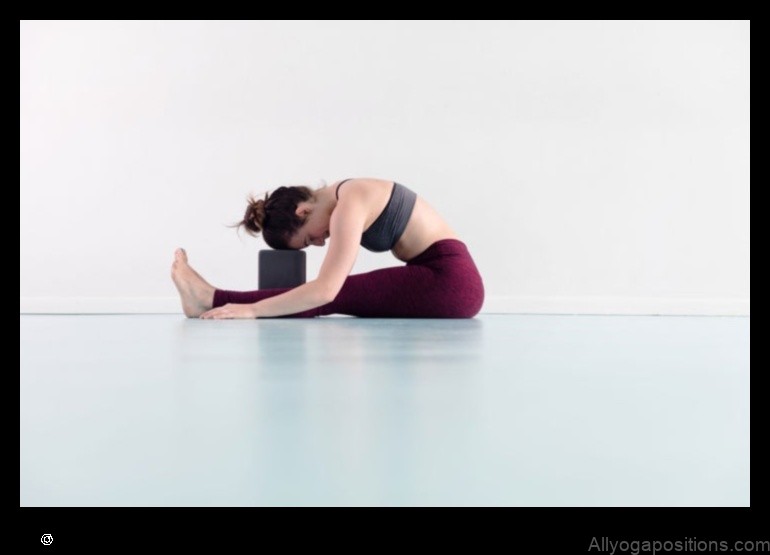
How to do Ujjayi Breath
To do ujjayi breath, follow these steps:
- Sit in a comfortable position with your spine straight.
- Close your eyes and relax your body.
- Inhale through your nose, filling your lungs to about 75% of their capacity.
- As you exhale, contract your throat muscles and make a “ha” sound.
- Continue to breathe in and out in this way for 5-10 minutes.
It is important to breathe slowly and deeply during ujjayi breath. You should not feel any strain or discomfort. If you do, stop and rest for a few minutes before continuing.
Common Mistakes When Doing Ujjayi Breath
There are a few common mistakes that people make when doing ujjayi breath. These include:
- Breathing too quickly
- Breathing too shallowly
- Tightening your throat too much
- Making too much noise
To avoid these mistakes, it is important to practice ujjayi breath slowly and gently. You should also focus on relaxing your throat and making a soft “ha” sound.
Contraindications for Ujjayi Breath
Ujjayi breath is generally safe for most people. However, there are a few contraindications for this pose. These include:
- High blood pressure
- Heart disease
- Pregnancy
- Sinus problems
If you have any of these conditions, you should talk to your doctor before doing ujjayi breath.
FAQs About Ujjayi Breath
Here are some frequently asked questions about ujjayi breath:
- Is ujjayi breath the same as kapalabhati breath?
- Can I do ujjayi breath while I’m pregnant?
- Is ujjayi breath safe for people with high blood pressure?
- What are the benefits of ujjayi breath?
II. What is Ujjayi Breath?
Ujjayi breath (pronounced oo-JAY-ee) is a type of pranayama, or yogic breathing exercise. It is also known as the victorious breath or the ocean breath. Ujjayi breath is characterized by a long, deep inhale and a short, forceful exhale. The breath is often accompanied by a gentle constriction of the throat, which creates a characteristic “hissing” sound.
Ujjayi breath is a powerful tool for relaxation, stress relief, and meditation. It can also help to improve focus, concentration, and energy levels. In addition, ujjayi breath can help to strengthen the respiratory system and improve overall lung health.
Ujjayi breath is a relatively simple technique that can be practiced by people of all ages and fitness levels. It is a great way to add a little bit of mindfulness and relaxation to your daily routine.
III. Benefits of Ujjayi Breath
Ujjayi breath has a number of benefits, including:
- Improved relaxation and stress relief
- Increased energy and vitality
- Enhanced focus and concentration
- Improved sleep
- Reduced inflammation
- Strengthened immune system
- Improved digestion
- Reduced anxiety and depression
How to do Ujjayi Breath
Ujjayi breath is a simple yet powerful breathing technique that can be used to improve your overall health and well-being. It is also a key component of many yoga practices.
To do Ujjayi breath, follow these steps:
- Sit in a comfortable position with your spine straight.
- Close your eyes and relax your body.
- Inhale through your nose, expanding your belly as you breathe in.
- As you exhale, contract your throat muscles and make a soft “ha” sound.
- Continue to breathe in and out in this way for 5-10 minutes.
As you practice Ujjayi breath, you may notice that your mind becomes calmer and your body feels more relaxed. You may also experience increased energy levels and improved focus.
Ujjayi breath is a safe and beneficial practice for most people. However, if you have any health conditions, be sure to check with your doctor before starting any new breathing practice.
V. Common Mistakes When Doing Ujjayi Breath
There are a few common mistakes that people make when doing Ujjayi breath. These mistakes can prevent you from getting the full benefits of the practice.
Here are some of the most common mistakes to avoid:
-
Breathing too shallowly. When you do Ujjayi breath, you should breathe deeply into your belly. If you only breathe into your chest, you won’t be able to get the full benefits of the practice.
-
Holding your breath. It’s important to keep your breath flowing smoothly and evenly when you do Ujjayi breath. Holding your breath can be counterproductive and even dangerous.
-
Tightening your throat. When you do Ujjayi breath, you should keep your throat relaxed. If you tighten your throat, you’ll restrict your airflow and make it difficult to breathe deeply.
-
Overdoing it. Ujjayi breath is a powerful practice, and it’s important to listen to your body and not overdo it. If you start to feel lightheaded or dizzy, stop practicing and rest.
If you’re new to Ujjayi breath, it’s a good idea to start slowly and gradually increase the duration and intensity of your practice over time. By avoiding these common mistakes, you can get the most out of Ujjayi breath and experience all of its benefits.
VI. Contraindications for Ujjayi Breath
Ujjayi breath is generally safe for most people, but there are some contraindications to be aware of. These include:
Pregnancy. Ujjayi breath can be stimulating, so it is not recommended for pregnant women.
High blood pressure. Ujjayi breath can increase blood pressure, so it is not recommended for people with high blood pressure.
Heart disease. Ujjayi breath can increase heart rate, so it is not recommended for people with heart disease.
Sinus problems. Ujjayi breath can dry out the sinuses, so it is not recommended for people with sinus problems.
Headaches. Ujjayi breath can aggravate headaches, so it is not recommended for people who suffer from headaches.
If you have any concerns about whether or not Ujjayi breath is right for you, talk to your doctor or healthcare provider.
VII. FAQs About Ujjayi Breath
Here are some frequently asked questions about Ujjayi breath:
-
What are the benefits of Ujjayi breath?
-
How do I do Ujjayi breath?
-
What are some common mistakes people make when doing Ujjayi breath?
-
Are there any contraindications for Ujjayi breath?
Conclusion
Ujjayi breath is a powerful breathing technique that can provide a number of benefits for both physical and mental health. It is relatively easy to learn and can be practiced anywhere, making it a great option for people of all fitness levels. If you are looking for a way to improve your overall well-being, consider incorporating ujjayi breath into your daily routine.
Here are some resources that you can use to learn more about Ujjayi breath:
- Yoga Journal: Ujjayi Breath
- MindBodyGreen: Ujjayi Breath Benefits & How to Do It
- Healthline: Ujjayi Breath
- VerywellMind: Ujjayi Breath
You can also find many books and online courses that teach Ujjayi breath.
FAQs About Ujjayi Breath
1. What is Ujjayi breath?
2. What are the benefits of Ujjayi breath?
3. How do I do Ujjayi breath?
Table of Contents
Maybe You Like Them Too
- Tranquil Touchpoints Yoga for Inner ConnectionA gentle yoga practice to help you find peace and balance in your mind, body, and spirit.
- Yoga for Rehabilitation A Holistic Approach to Healing the Body
- Tolasana Yoga Pose A Guide to This Inverted Backbend
- Yoga for PTSD Recovery A Mindful Way to Heal
- Tittibhasana Yoga Pose A Guide to This Inverted Arm Balance