
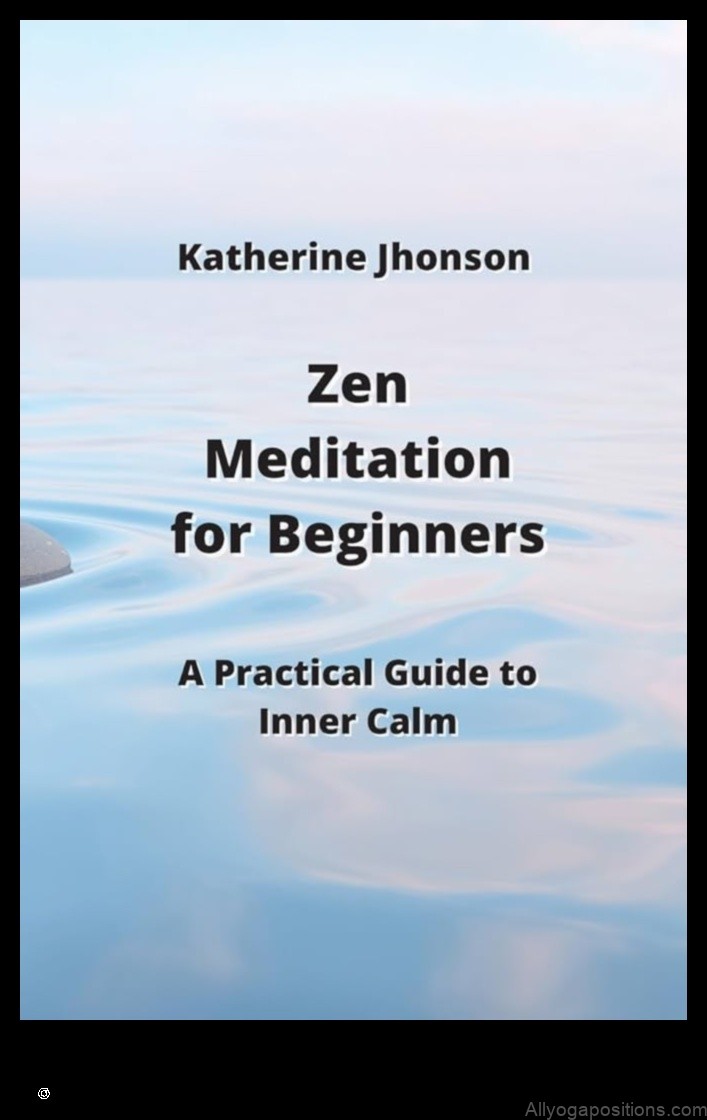
Introduction
Meditation is a practice that has been around for thousands of years. It is a way to train the mind and achieve a state of deep relaxation and focus. Meditation has been shown to have many benefits, including reducing stress, improving sleep, and boosting creativity.
What is meditation?
Meditation is a practice that involves focusing the mind on a single point of attention, such as the breath, a mantra, or a visualization. When the mind wanders, it is gently brought back to the point of focus. Meditation can be practiced sitting in a chair, lying down, or even walking.
Benefits of meditation
Meditation has been shown to have many benefits, including:
- Reduced stress
- Improved sleep
- Boosted creativity
- Increased happiness
- Improved focus
- Reduced pain
- Enhanced immune function
How to meditate
Meditation is a simple practice that anyone can learn. Here are a few tips to get started:
- Find a quiet place where you won’t be disturbed.
- Sit in a comfortable position, either in a chair or on the floor.
- Close your eyes and focus on your breath.
- When your mind wanders, gently bring it back to your breath.
- Continue for 5-10 minutes, or for as long as you like.
Different types of meditation
There are many different types of meditation, each with its own unique benefits. Some of the most popular types of meditation include:
- Mindfulness meditation
- Transcendental meditation
- Vipassana meditation
- Kundalini yoga meditation
- Zen meditation
Common myths about meditation
There are many myths about meditation that can prevent people from trying it. Here are a few of the most common myths:
- You have to be good at it to meditate.
- You have to sit in a certain position to meditate.
- Meditation is only for religious people.
- Meditation is boring.
How to overcome obstacles to meditation
There are many things that can get in the way of meditation, such as stress, pain, or distractions. Here are a few tips for overcoming obstacles to meditation:
- Start slowly. Don’t try to meditate for too long at first.
- Find a comfortable position that you can maintain for the duration of your meditation session.
- Focus on your breath. When your mind wanders, gently bring it back to your breath.
- Be patient. It takes time to develop a meditation practice.
Meditation for beginners
If you are new to meditation, here are a few tips to help you get started:
- Find a quiet place where you won’t be disturbed.
- Sit in a comfortable position, either in a chair or on the floor.
- Close your eyes and focus on your breath.
- When your mind wanders, gently bring it back to your breath.
- Continue for 5-10 minutes, or for as long as you
Topic Feature Meditation Focus, attention, awareness Mindfulness Acceptance, non-judgment, present moment awareness Relaxation Reduced stress, anxiety, and depression Stress relief Improved sleep, mood, and energy levels Wellness Enhanced overall health and well-being 
II. What is meditation?
Meditation is a practice that involves training the mind to focus on a particular object or thought. It has been shown to have a number of benefits, including reducing stress, improving focus, and promoting relaxation.
There are many different types of meditation, but all of them share the common goal of training the mind to focus on a single point of attention. This can be anything from your breath to a mantra or visualization.
When you meditate, you are essentially training your mind to be more present and aware. This can help you to reduce stress and anxiety, improve your focus and concentration, and become more mindful of your thoughts and actions.
III. Benefits of meditation
Meditation has been shown to have a number of benefits for both physical and mental health. Some of the benefits of meditation include:
- Reduced stress and anxiety
- Improved mood and well-being
- Increased focus and concentration
- Improved sleep quality
- Reduced pain
- Improved immune function
- Reduced risk of heart disease and stroke
- Reduced risk of some types of cancer
It is important to note that the benefits of meditation vary from person to person. Some people may experience all of the benefits listed above, while others may only experience some of them. The amount of time you spend meditating and the type of meditation you practice can also affect the benefits you experience.
If you are interested in learning more about the benefits of meditation, there are a number of resources available online and in libraries. You can also talk to your doctor or a mental health professional about meditation.
What is meditation?
Meditation is a practice that involves focusing the mind on a single point of attention, such as the breath, a mantra, or a visual image. It can be done sitting, standing, or lying down, and it can be practiced for a few minutes or for hours.
Meditation has been shown to have a number of benefits, including reducing stress, improving focus and concentration, boosting creativity, and promoting relaxation. It can also be helpful for people with anxiety, depression, and other mental health conditions.
There are many different types of meditation, and the best type for you will depend on your individual needs and preferences. Some popular types of meditation include mindfulness meditation, transcendental meditation, and yoga nidra.
If you’re interested in trying meditation, there are a number of resources available to help you get started. You can find books, articles, and online courses on meditation, and you can also find meditation classes and workshops in your local area.
V. Different types of meditation
There are many different types of meditation, each with its own unique benefits and techniques. Some of the most common types of meditation include:
- Mindfulness meditation is a type of meditation that focuses on paying attention to the present moment. This type of meditation can help to improve focus, reduce stress, and increase mindfulness.
- Body scan meditation is a type of meditation that focuses on the body. This type of meditation can help to relieve tension, improve body awareness, and promote relaxation.
- Visualization meditation is a type of meditation that involves creating a mental image or scene. This type of meditation can help to promote relaxation, reduce stress, and improve focus.
- Mantra meditation is a type of meditation that involves repeating a mantra or phrase. This type of meditation can help to focus the mind, reduce stress, and promote relaxation.
- Walking meditation is a type of meditation that involves walking slowly and mindfully. This type of meditation can help to improve focus, reduce stress, and promote relaxation.
It is important to find a type of meditation that you enjoy and that fits your individual needs. There is no right or wrong way to meditate, and the most important thing is to find a practice that you will stick with.
VI. Common myths about meditation
There are many myths about meditation that can prevent people from trying it. Here are some of the most common myths, and the truth behind them:
-
“Meditation is only for religious people.”
Meditation is not a religious practice, and it can be done by people of all faiths or no faith.
-
“Meditation is too difficult.”
Meditation is actually very simple. It doesn’t require any special skills or abilities, and anyone can do it.
-
“Meditation will make me sleepy.”
Meditation can actually help you to feel more alert and focused.
-
“Meditation is a waste of time.”
Meditation has been shown to have a number of benefits for both physical and mental health.
VII. How to overcome obstacles to meditation
Meditation can be a challenging practice, but it is also one of the most rewarding. There are many obstacles that can prevent you from meditating, but there are also many ways to overcome them.
Here are some common obstacles to meditation and tips for overcoming them:
- Lack of time: One of the biggest obstacles to meditation is simply finding the time to do it. If you’re short on time, try to meditate for shorter periods of time, even just a few minutes a day. You can also meditate while you’re doing other things, like walking, running, or taking a shower.
- Discomfort: Sitting still for long periods of time can be uncomfortable, especially if you’re not used to it. To make meditation more comfortable, try sitting on a cushion or pillow, or lying down. You can also try wearing loose, comfortable clothing.
- Mind wandering: It’s normal for your mind to wander during meditation. When this happens, simply acknowledge your thoughts and let them go. Don’t try to force yourself to stop thinking.
- Frustration: If you’re not seeing results from your meditation practice, it’s easy to get frustrated. Remember that meditation is a practice, and it takes time to see results. Be patient with yourself and don’t give up.
If you’re struggling to overcome any of these obstacles, there are many resources available to help you. You can find books, articles, and online courses on meditation. You can also find meditation teachers who can help you learn the basics of meditation and support you on your journey.
Meditation for beginners
Meditation can be a great way to reduce stress, improve your mood, and increase your focus. However, it can be difficult to know where to start if you’re a beginner. Here are a few tips to help you get started with meditation:
- Find a quiet place where you won’t be disturbed.
- Sit in a comfortable position, either cross-legged on the floor or in a chair with your feet flat on the ground.
- Close your eyes and focus on your breath.
- As thoughts come into your mind, let them go and gently bring your attention back to your breath.
- Continue for 5-10 minutes, or for as long as you’re comfortable.
Meditation is a practice, and it takes time to develop the skills necessary to do it effectively. Don’t be discouraged if you find it difficult at first. Just keep practicing, and you’ll eventually see results.
Here are some additional resources that you may find helpful:
- Meditation for Beginners (Mindful)
- How to Meditate (American Psychological Association)
- How to Meditate (NHS)
IX. Meditation for advanced practitioners
Meditation for advanced practitioners is a different beast than meditation for beginners. While beginners are often focused on the basics of meditation, such as how to sit comfortably and how to focus their attention, advanced practitioners are more concerned with the deeper aspects of meditation, such as how to use meditation to cultivate insight, wisdom, and compassion.
Advanced practitioners often spend more time in meditation than beginners, and they may also use more advanced meditation techniques. Some of the most common advanced meditation techniques include:
- Vipassana meditation: This type of meditation focuses on the observation of thoughts, feelings, and sensations without judgment.
- Metta meditation: This type of meditation focuses on the cultivation of loving-kindness and compassion.
- Zen meditation: This type of meditation focuses on the direct experience of the present moment.
Advanced practitioners may also use meditation to explore different spiritual traditions, such as Buddhism, Hinduism, or Taoism. They may also use meditation to support their work in other areas, such as therapy, counseling, or teaching.
If you are an advanced practitioner of meditation, there are a number of resources available to help you deepen your practice. These resources include books, articles, online courses, and retreats. You can also find support from other advanced practitioners through meditation groups or online forums.
Meditation is a lifelong journey, and there is no such thing as a “finished” practitioner. As you continue to practice meditation, you will continue to learn and grow. The benefits of meditation are vast, and they can enrich your life in many ways.
X. FAQ
Here are three common questions about meditation and their answers:
Question 1: What is meditation?
Meditation is a mind-body practice that involves focusing on the present moment. It can be done in a variety of ways, such as sitting in silence, focusing on your breath, or repeating a mantra. Meditation has been shown to have a number of benefits, including reducing stress, improving focus, and boosting creativity.
Question 2: How do I meditate?
There are many different ways to meditate, but the basic steps are the same. First, find a comfortable position to sit in. You can sit in a chair, on the floor, or even in bed. Once you’re comfortable, close your eyes and focus on your breath. As you breathe in, say to yourself, “I am breathing in.” As you breathe out, say to yourself, “I am breathing out.” Continue to focus on your breath for a few minutes, or for as long as you like.
Question 3: What are the benefits of meditation?
Meditation has been shown to have a number of benefits, including:
- Reduced stress
- Improved focus
- Boosted creativity
- Increased happiness
- Improved sleep
- Reduced pain
- Enhanced immune function
Table of Contents
Maybe You Like Them Too
- Tranquil Touchpoints Yoga for Inner ConnectionA gentle yoga practice to help you find peace and balance in your mind, body, and spirit.
- Yoga for Rehabilitation A Holistic Approach to Healing the Body
- Tolasana Yoga Pose A Guide to This Inverted Backbend
- Yoga for PTSD Recovery A Mindful Way to Heal
- Tittibhasana Yoga Pose A Guide to This Inverted Arm Balance