
Introduction
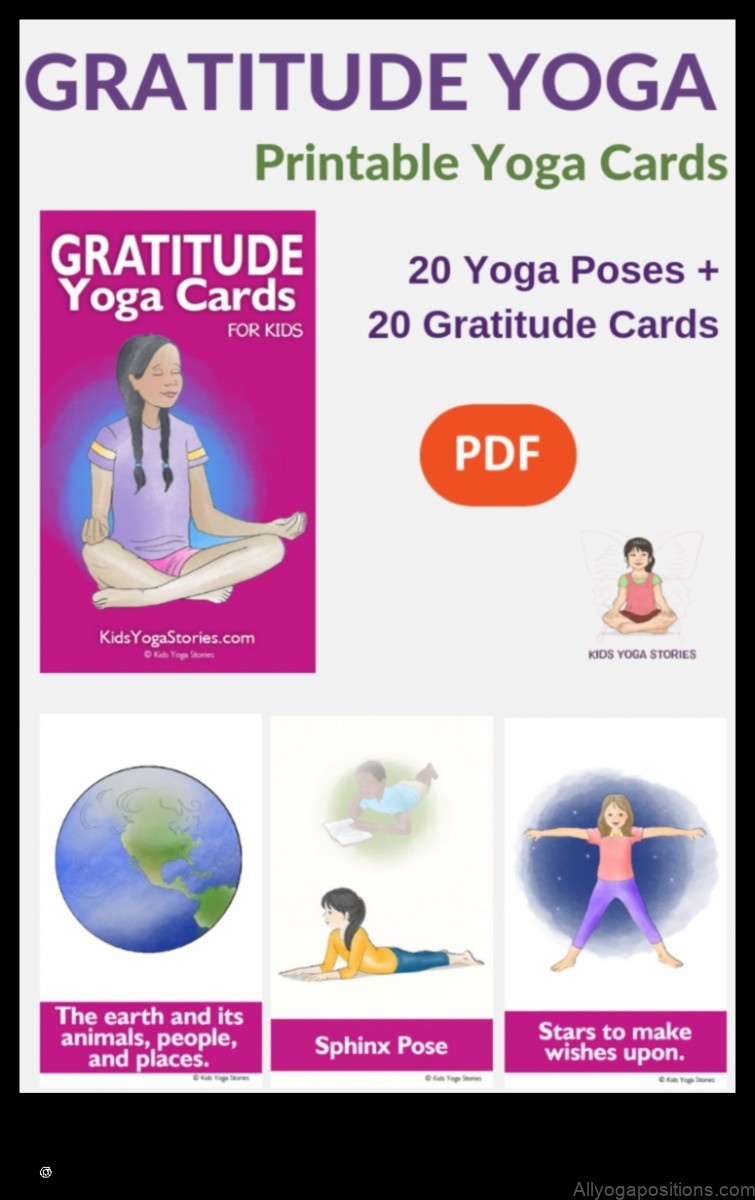
Yoga is a mind-body practice that has been shown to have many benefits for physical and mental health. Gratitude yoga is a type of yoga that specifically focuses on cultivating gratitude. Gratitude is the feeling of thankfulness for what you have, and it has been shown to have a number of benefits for both physical and mental health.
What is gratitude yoga?
Gratitude yoga is a type of yoga that incorporates poses, breathing exercises, and meditations that are designed to help you cultivate gratitude. Gratitude yoga poses are often slow and gentle, and they are designed to help you relax and connect with your body. Gratitude yoga breathing exercises are designed to help you focus on your breath and bring awareness to the present moment. Gratitude yoga meditations are designed to help you focus on the things you are grateful for and to appreciate the present moment.
Benefits of gratitude yoga
Gratitude yoga has been shown to have a number of benefits for physical and mental health. Some of the benefits of gratitude yoga include:
- Reduced stress
- Improved mood
- Increased happiness
- Improved sleep
- Increased energy
- Improved immune function
- Reduced inflammation
- Lowered blood pressure
How to practice gratitude yoga
Gratitude yoga is a simple and easy practice that you can do at home or in a studio. To practice gratitude yoga, you will need:
- A yoga mat
- A comfortable outfit
- A timer
- A journal or notebook
Here are the steps to practice gratitude yoga:
- Start by setting your intention for your practice. What do you want to get out of your practice?
- Take a few deep breaths to center yourself and relax.
- Begin your practice with some gentle stretching and warm-up poses.
- Move on to some gratitude yoga poses. These poses are designed to help you connect with your body and appreciate the present moment.
- Incorporate some gratitude yoga breathing exercises into your practice. These exercises are designed to help you focus on your breath and bring awareness to the present moment.
- End your practice with some gratitude yoga meditation. This meditation is designed to help you focus on the things you are grateful for and to appreciate the present moment.
- Take some time to journal about your experience. What did you learn? How did you feel?
Gratitude yoga poses
Here are some gratitude yoga poses that you can try:
- Standing forward fold
- Child’s pose
- Warrior I pose
- Warrior II pose
- Downward-facing dog
- Bridge pose
- Seated twist
- Pigeon pose
- Supine twist
Gratitude yoga music
Gratitude yoga music can help you to relax and focus on your practice. Here are some suggestions for gratitude yoga music:
- “Thank You” by India Arie
- “Gratitude” by David Arkenstone
- “Blessings” by Thich Nhat Hanh
- “Om Shanti” by Deva Premal
- “Peaceful Mind” by Steven Halpern
- Reduced stress and anxiety
- Improved mood
- Increased happiness
- Improved sleep
- Boosted immune system
- Increased self-esteem
- Improved relationships
- Greater sense of purpose
- Start by setting an intention for your practice. What do you hope to achieve by practicing gratitude yoga?
- Take some deep breaths to relax and center yourself.
- Move through the poses slowly and mindfully, paying attention to your breath and your body.
- Gently release any tension or stress that you may be holding onto.
- Close your practice with a meditation or affirmation.
- Standing forward fold
- Child’s pose
- Supine twist
- Bridge pose
- Seated forward fold
- Supported savasana
- Classical music
- New Age music
- Nature sounds
- Meditation music
- Start by playing the music at a low volume.
- Increase the volume as you feel comfortable.
- Close your eyes and focus on the music.
- Let the music wash over you and allow yourself to feel grateful.
- I am grateful for my health.
- I am grateful for my family and friends.
- I am grateful for my home.
- I am grateful for my job.
- I am grateful for the beauty of nature.
- I am grateful for the opportunity to learn and grow.
- I am grateful for the gift of life.
- Tranquil Touchpoints Yoga for Inner ConnectionA gentle yoga practice to help you find peace and balance in your mind, body, and spirit.
- Yoga for Rehabilitation A Holistic Approach to Healing the Body
- Tolasana Yoga Pose A Guide to This Inverted Backbend
- Yoga for PTSD Recovery A Mindful Way to Heal
- Tittibhasana Yoga Pose A Guide to This Inverted Arm Balance
| Topic | Answer |
|---|---|
| Gratitude | The feeling of being grateful for what you have |
| Yoga | A mind-body practice that combines physical postures, breathing exercises, and meditation |
| Thankfulness | The act of expressing gratitude |
| Mindfulness | The practice of paying attention to the present moment |
| Meditation | A practice that involves training the mind to focus |
II. What is gratitude yoga?
Gratitude yoga is a type of yoga that focuses on cultivating gratitude. It is based on the principle that when we focus on the things we are grateful for, we feel happier and more connected to our lives.
Gratitude yoga can be practiced in any way that feels good to you. There are no right or wrong ways to do it. Some people like to practice gratitude yoga in a traditional yoga setting, while others prefer to practice it at home or in nature.
Gratitude yoga can be a great way to improve your overall well-being. It can help you to reduce stress, increase happiness, and connect with your inner peace.
III. Benefits of gratitude yoga
Gratitude yoga is a type of yoga that focuses on cultivating gratitude and appreciation. It is based on the belief that when we practice gratitude, we can improve our physical, mental, and emotional health.
There are many benefits of practicing gratitude yoga, including:
If you are looking for a way to improve your overall well-being, gratitude yoga is a great option. It is a simple and effective way to increase your gratitude and appreciation, which can lead to a number of positive benefits.
IV. How to practice gratitude yoga
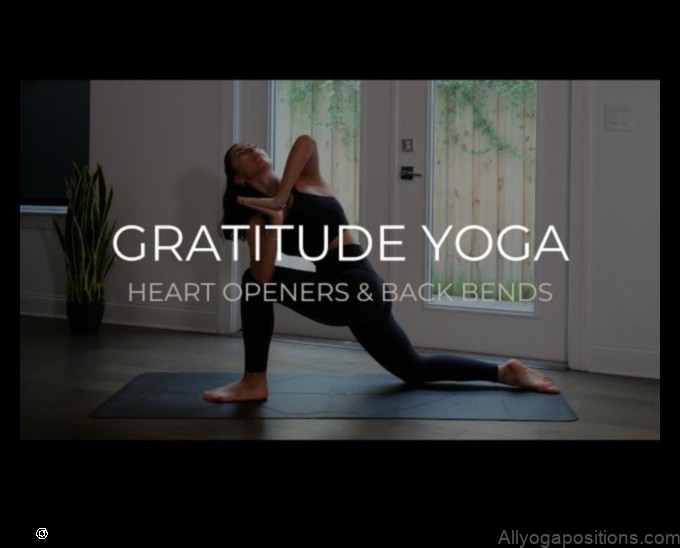
Gratitude yoga is a type of yoga that focuses on cultivating gratitude and mindfulness. It is a gentle practice that can be done by people of all levels of experience.
Gratitude yoga typically includes a combination of poses, breathing exercises, and meditation. The poses are designed to help you relax and connect with your body, while the breathing exercises help you to focus on your breath and clear your mind. The meditation helps you to cultivate a sense of gratitude and appreciation for the present moment.
To practice gratitude yoga, you will need a yoga mat, a comfortable clothing, and a quiet place to practice. You can find a variety of gratitude yoga classes online or in your local community.
Here are some tips for practicing gratitude yoga:
Gratitude yoga is a wonderful way to improve your overall well-being. It can help you to reduce stress, increase your happiness, and connect with your inner peace.
V. Gratitude yoga poses
Gratitude yoga poses are designed to help you connect with your gratitude and bring more mindfulness into your practice. Here are some of the most popular gratitude yoga poses:
When you’re practicing gratitude yoga poses, it’s important to focus on your breath and on the feeling of gratitude in your body. Allow yourself to feel the gratitude that you have for your life, for your body, and for the people in your life.
You can also use gratitude yoga poses as an opportunity to set intentions for the day or for the week. For example, you might set an intention to be more grateful for your health, or to be more grateful for the people in your life.
Gratitude yoga poses are a great way to start your day or to end your day. They can help you to connect with your gratitude and to bring more mindfulness into your life.
VI. Gratitude yoga music
Gratitude yoga music can help to create a positive and uplifting atmosphere during your yoga practice. It can also help to focus your mind and bring you into a state of gratitude.
When choosing gratitude yoga music, it is important to find music that you enjoy and that makes you feel good. Some good options include:
You can also find a variety of gratitude yoga playlists on streaming services such as Spotify and YouTube.
Here are some tips for using gratitude yoga music during your practice:
Gratitude yoga music can be a powerful tool for helping you to connect with your inner peace and gratitude. By using it during your yoga practice, you can create a more positive and uplifting experience.
VII. Gratitude yoga journal
A gratitude yoga journal is a tool that can help you to cultivate gratitude and mindfulness in your daily life. It can also be a helpful way to track your progress and see how your gratitude practice is affecting your overall well-being.
To create a gratitude yoga journal, you will need a notebook or journal, a pen or pencil, and some time each day to write in your journal.
When you sit down to write in your journal, start by taking a few deep breaths to relax and center yourself. Then, write down three things that you are grateful for. These can be anything from small things, such as a warm cup of coffee in the morning, to big things, such as your health or your family.
After you have written down your three gratitudes, take some time to reflect on them. How do you feel when you think about these things? What are the benefits of being grateful?
You can also use your gratitude yoga journal to track your progress over time. Each day, write down how you are feeling and how your gratitude practice is affecting your life. This can help you to see the positive impact that gratitude is having on your overall well-being.
Gratitude yoga journaling is a simple but powerful practice that can help you to improve your gratitude, reduce stress, and connect with your inner peace. It is a great way to start your day or to wind down at night.
Gratitude yoga affirmations
Gratitude yoga affirmations are positive statements that can help you to focus on the good things in your life and cultivate a more grateful mindset. When you repeat these affirmations during your yoga practice, you can help to strengthen your gratitude muscle and improve your overall well-being.
Here are some examples of gratitude yoga affirmations:
You can also create your own gratitude yoga affirmations based on your own personal experiences and beliefs. When you repeat these affirmations during your yoga practice, you can help to focus on the good things in your life and cultivate a more grateful mindset.
IX. Gratitude yoga meditation
Gratitude yoga meditation is a type of meditation that focuses on cultivating gratitude. It can be done in any position, but it is often done in a seated position with the eyes closed.
To practice gratitude yoga meditation, start by sitting in a comfortable position and taking a few deep breaths. Close your eyes and focus on your breath. As you breathe in, say to yourself, “I am grateful for my breath.” As you breathe out, say to yourself, “I am grateful for my body.”
Continue to breathe in and out, repeating these phrases to yourself. You can also focus on other things that you are grateful for, such as your family, friends, home, or job.
Gratitude yoga meditation can help you to increase your gratitude, reduce stress, and improve your overall well-being. It is a simple and effective way to connect with your inner peace and create a more positive outlook on life.
FAQ
Q: What is gratitude yoga?
A: Gratitude yoga is a type of yoga that focuses on cultivating gratitude and appreciation. It is often practiced as a way to improve mood, reduce stress, and connect with inner peace.
Q: What are the benefits of gratitude yoga?
A: Gratitude yoga has been shown to have a number of benefits, including:
* Reducing stress and anxiety
* Improving mood
* Boosting self-esteem
* Increasing happiness
* Promoting mindfulness
Q: How do I practice gratitude yoga?
A: Gratitude yoga can be practiced in a variety of ways. Some simple ways to incorporate gratitude into your yoga practice include:
* Starting your yoga practice with a gratitude meditation.
* Setting an intention to be grateful during your practice.
* Repeating gratitude mantras or affirmations during your practice.
* Incorporate gratitude into your yoga poses by thinking about something you are grateful for as you hold each pose.
Table of Contents