
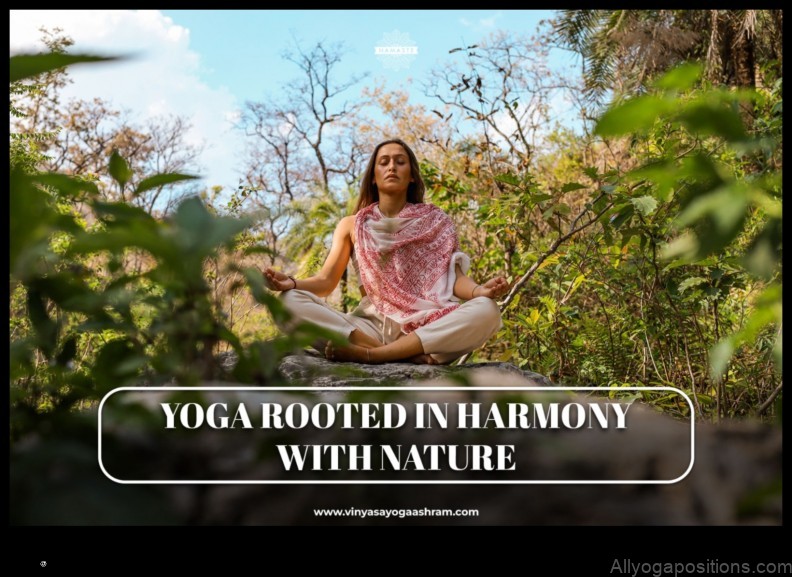
Nature Meditation
Nature meditation is a type of meditation that is practiced in natural settings. It can be done in any type of natural environment, such as a forest, a park, or a beach.
There are many benefits to nature meditation, including:
- Reduced stress and anxiety
- Improved mood
- Increased focus and concentration
- Improved sleep
- Enhanced creativity
If you are new to meditation, nature meditation can be a great way to start. It is easy to learn and can be done anywhere.
To practice nature meditation, simply find a comfortable spot in a natural setting. Sit or lie down and close your eyes. Take a few deep breaths and focus on your breath. As you breathe in, imagine that you are inhaling the energy of nature. As you breathe out, imagine that you are exhaling stress and anxiety.
Continue to breathe and focus on your breath for a few minutes. When you are ready, open your eyes and take a few moments to appreciate the beauty of nature.
Nature meditation can be practiced for as little as a few minutes or for longer periods of time. It is a great way to relax and connect with the natural world.
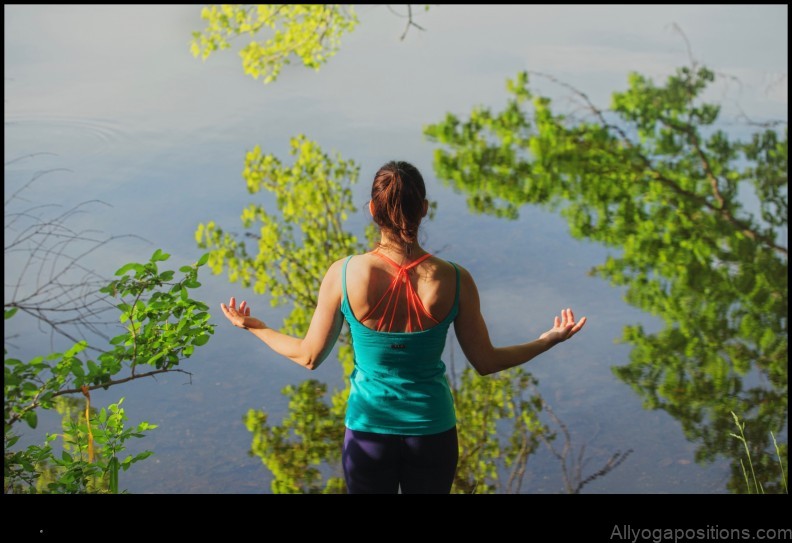
Types of Nature Meditation
There are many different types of nature meditation. Some of the most common types include:
- Walking meditation
- Mindfulness meditation
- Guided meditation
- Yoga nidra
Walking meditation is a type of meditation that is done while walking in nature. Mindfulness meditation is a type of meditation that involves paying attention to the present moment. Guided meditation is a type of meditation that is led by a teacher or guide. Yoga nidra is a type of meditation that involves deep relaxation and visualization.
You can choose the type of nature meditation that is best for you. If you are new to meditation, walking meditation or mindfulness meditation may be a good place to start.
Places to Practice Nature Meditation
You can practice nature meditation anywhere in nature. Some of the best places to practice nature meditation include:
- Forests
- Parks
- Beaches
- Mountains
- Deserts
When choosing a place to practice nature meditation, it is important to find a place that is quiet and peaceful. You should also choose a place where you feel comfortable and safe.

Tips for Beginners
If you are new to nature meditation, here are a few tips to help you get started:
- Find a comfortable spot to sit or lie down.
- Close your eyes and take a few deep breaths.
- Focus on your breath.
- As you breathe in, imagine that you are inhaling the energy of nature.
- As you breathe out, imagine that you are exhaling stress and anxiety.
- Continue to breathe and focus on your breath for a few minutes.
- When you are ready, open your eyes and take a few moments to appreciate the beauty of nature.
Common Mistakes to Avoid
There are a few common mistakes that people make when practicing nature meditation. These mistakes can prevent you from getting the full benefits of meditation.
- Trying to force yourself to meditate.
- Getting distracted.
- Worrying about how you are doing.
- Setting unrealistic expectations.
If you find yourself making any of these mistakes, simply relax and let go. The goal of meditation is to relax and enjoy the present moment.
Benefits of Nature Meditation for Specific Conditions
Nature meditation has been shown to have a number of benefits for people with specific conditions, including:
- Find a quiet spot in nature where you can sit comfortably.
- Close your eyes and take a few deep breaths.
- Bring your attention to your breath as it flows in and out of your body.
- Notice the sounds of nature around you.
- Allow your mind to wander, but gently bring your attention back to your breath whenever it wanders.
- Continue to meditate for as long as you like.
- Find a quiet spot in nature where you can sit comfortably and undisturbed.
- Close your eyes and take a few deep breaths.
- Bring your attention to your breath as it flows in and out of your body.
- As you breathe, notice the sensations in your body. Feel the warmth of the sun on your skin, the cool breeze on your face, and the sound of the birds singing in the trees.
- Allow your mind to wander, but gently bring your attention back to your breath whenever it wanders away.
- Continue to meditate for as long as you like. When you’re finished, open your eyes and take a few deep breaths.
- Forests
- Parks
- Beaches
- Mountains
- Rivers
- Lakes
- Gardens
- Open fields
-
What are the benefits of nature meditation?
-
How do I practice nature meditation?
-
What are the different types of nature meditation?
-
Where can I practice nature meditation?
-
What are some tips for beginners?
-
What are some common mistakes to avoid?
-
What are the benefits of nature meditation for specific conditions?
-
What is the research on the effects of nature meditation?
-
What are some FAQs about nature meditation?
- Trying to force yourself to meditate.
- Trying to control your thoughts.
- Getting discouraged if you can’t clear your mind.
- Being distracted by external noises or sights.
- Staying in the same place for too long.
- Stress and anxiety
- Depression
- Post-traumatic stress disorder (PTSD)
- Chronic pain
- Insomnia
- Addiction
- Cancer
- Find a quiet place in nature where you can sit comfortably.
- Close your eyes and focus on your breath.
- Bring your attention to the sounds, smells, and sensations of nature around you.
- Let your thoughts come and go without judgment.
- When you’re ready, open your eyes and return to your day.
- Trying to force yourself to relax.
- Being too attached to your thoughts.
- Getting discouraged if you don’t feel like you’re doing it right.
- Tranquil Touchpoints Yoga for Inner ConnectionA gentle yoga practice to help you find peace and balance in your mind, body, and spirit.
- Yoga for Rehabilitation A Holistic Approach to Healing the Body
- Tolasana Yoga Pose A Guide to This Inverted Backbend
- Yoga for PTSD Recovery A Mindful Way to Heal
- Tittibhasana Yoga Pose A Guide to This Inverted Arm Balance
Introduction
Nature meditation is a type of meditation that is practiced in natural settings, such as forests, parks, or beaches. It is believed that meditating in nature can help to improve mental health and well-being, reduce stress, and promote relaxation.
3. How to practice nature meditation
Nature meditation is a simple practice that can be done anywhere in nature. Here are the basic steps:
When you’re finished meditating, open your eyes and take a few deep breaths. Notice how you feel.
3. How to practice nature meditation
Nature meditation is a simple practice that anyone can do, regardless of their experience level. Here are the basic steps involved:
Nature meditation can be practiced for any length of time, but it is generally recommended to start with short sessions of 5-10 minutes. As you become more comfortable with the practice, you can gradually increase the length of your sessions.
Nature meditation is a great way to relax, de-stress, and connect with the natural world. It can also be beneficial for improving your mental health and well-being.
5. Places to practice nature meditation
There are many different places where you can practice nature meditation. Some popular options include:
When choosing a place to meditate, it is important to find a spot that is quiet and peaceful, and where you feel comfortable. It is also important to be aware of the weather conditions, and to choose a spot that will be sheltered from the elements if necessary.
Once you have found a suitable spot, you can begin your meditation practice. You may want to start by sitting in a comfortable position, and then taking a few deep breaths to relax your body and mind. You can then focus on your breath, or on the sounds of nature around you. Allow your thoughts to come and go, without judgment.
Nature meditation can be a very rewarding experience. It can help you to connect with the natural world, and to reduce stress and anxiety. It can also improve your mood and overall well-being.
6. FAQ
Here are some frequently asked questions about nature meditation:
vii. Common mistakes to avoid
When practicing nature meditation, it is important to avoid making certain common mistakes. These mistakes can prevent you from reaping the full benefits of meditation and can even make it more difficult to relax and focus.
Here are some of the most common mistakes to avoid when practicing nature meditation:
If you find yourself making any of these mistakes, simply take a deep breath and relax. Remind yourself that there is no right or wrong way to meditate, and that the most important thing is to find a practice that works for you.
Benefits of nature meditation for specific conditions
Nature meditation has been shown to have a number of benefits for people with specific conditions, including:
Research has shown that nature meditation can help to reduce stress and anxiety by increasing levels of the neurotransmitter serotonin, which has mood-boosting effects. Nature meditation can also help to improve sleep quality and reduce pain.
In addition, nature meditation has been shown to be helpful for people with PTSD by reducing symptoms such as nightmares, flashbacks, and anxiety. It can also help to improve social functioning and relationships.
Nature meditation is a safe and effective way to manage stress, anxiety, depression, and other conditions. If you are interested in trying nature meditation, talk to your doctor or mental health professional.
9. Research on the effects of nature meditation
There is a growing body of research on the effects of nature meditation. Studies have shown that nature meditation can help to reduce stress, improve mood, and boost creativity. It can also help to improve focus and attention, and reduce symptoms of anxiety and depression.
One study, published in the journal Mindfulness, found that nature meditation led to significant reductions in stress, anxiety, and depression, as well as improvements in mood and well-being.
Another study, published in the journal Frontiers in Psychology, found that nature meditation led to improvements in attention and focus, as well as reductions in fatigue and negative mood.
Overall, the research suggests that nature meditation can have a number of positive effects on mental and physical health. It can help to reduce stress, improve mood, boost creativity, and improve focus and attention.
If you are interested in trying nature meditation, there are a number of resources available to help you get started. You can find guided nature meditations online or in books, or you can learn from a qualified instructor.
Nature meditation can be a great way to connect with the natural world and improve your overall health and well-being.
FAQ
Q: What are the benefits of nature meditation?
A: Nature meditation has been shown to have a number of benefits, including reducing stress, improving mood, boosting creativity, and increasing mindfulness.
Q: How do I practice nature meditation?
A: There are many different ways to practice nature meditation, but some simple steps include:
Q: What are some common mistakes to avoid when practicing nature meditation?
A: Some common mistakes to avoid when practicing nature meditation include:
Table of Contents