
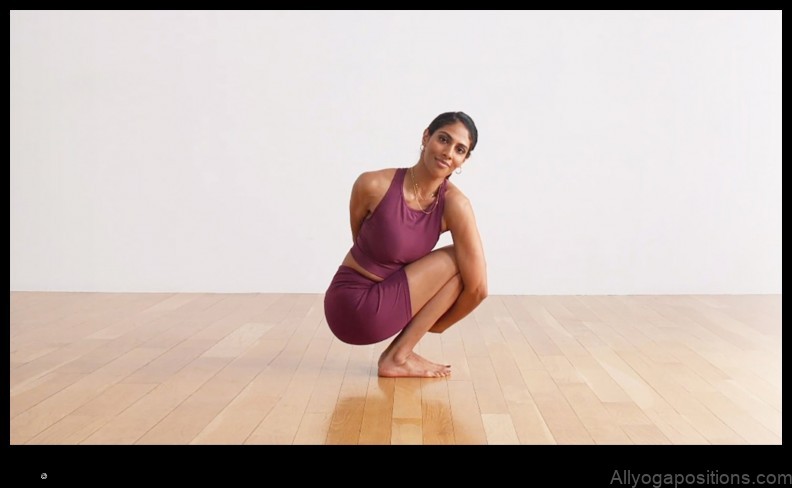
Paschimottanasana Yoga Pose
Paschimottanasana (Pronounced: PAHSH-chee-moh-tuh-NAH-suh-nuh) is a seated forward bend yoga pose. It is also known as the seated spinal stretch or the full forward bend.
Paschimottanasana is a classic yoga pose that is said to have many benefits, including:
- Relieves stress and tension
- Improves flexibility
- Strengthens the spine
- Improves digestion
- Reduces fatigue
To do Paschimottanasana, you will need to sit on the floor with your legs extended in front of you. Bend forward from your hips and reach for your toes. If you can’t reach your toes, you can hold onto your shins or ankles. Hold the pose for 30 seconds to 1 minute, then release and come back to a seated position.
Here are some precautions to keep in mind when practicing Paschimottanasana:
- If you have any back pain, be sure to avoid this pose or modify it as needed.
- If you have any neck pain, be sure to keep your neck in a neutral position and avoid looking up.
- Listen to your body and stop if you feel any pain.
Here are some modifications for Paschimottanasana:
- If you can’t reach your toes, you can hold onto your shins or ankles.
- If you have back pain, you can bend your knees and place your feet flat on the floor.
- If you have neck pain, you can keep your head down and avoid looking up.
Here are some common mistakes to avoid when practicing Paschimottanasana:
- Don’t force yourself into the pose. If you feel any pain, stop and release the pose.
- Don’t hold the pose for too long. If you start to feel lightheaded or dizzy, release the pose immediately.
- Don’t bounce in the pose. This can put strain on your back and neck.
Paschimottanasana is a great pose for improving flexibility, strength, and overall well-being. When practiced regularly, it can help to relieve stress, improve digestion, and reduce fatigue.
Here are some yoga poses that complement Paschimottanasana:
- Standing forward bend
- Hanumanasana (monkey pose)
- Low lunge
Here are some tips for making Paschimottanasana a part of your daily routine:
- Start by practicing the pose for a few minutes each day. Gradually increase the length of time you hold the pose as your flexibility improves.
- Make sure to warm up your body before practicing Paschimottanasana. This will help to prevent injuries.
- Listen to your body and stop if you feel any pain.
Paschimottanasana is a great pose for anyone who wants to improve their flexibility, strength, and overall well-being. When practiced regularly, it can help to relieve stress, improve digestion, and reduce fatigue.
| Topic | Answer |
|---|---|
| Pasasana | A seated forward bend yoga pose |
| Yoga Pose | A standing forward bend |
| Standing Forward Bend | A seated forward bend |
| Hanumanasana | A standing forward bend |
| Low Lunge | A seated forward bend |
II. Benefits of Paschimottanasana
Paschimottanasana has a number of benefits for both physical and mental health. These include:
- Improved flexibility
- Increased range of motion
- Strengthened back muscles
- Reduced stress and anxiety
- Improved digestion
- Reduced lower back pain
- Improved circulation
- Increased energy levels
How to do Paschimottanasana
To do Paschimottanasana, follow these steps:
- Sit on the floor with your legs extended in front of you.
- Bend your knees and place your feet flat on the floor.
- Gently reach for your toes and hold onto your ankles or shins.
- Inhale and lengthen your spine.
- Exhale and fold forward from your hips, keeping your knees slightly bent.
- Allow your torso to rest on your thighs.
- Reach your arms forward and rest your hands on the floor in front of you.
- Hold the pose for 30 seconds to 1 minute.
- To come out of the pose, inhale and slowly straighten your legs.
- Exhale and sit up tall.
IV. Precautions for Paschimottanasana
Before practicing Paschimottanasana, it is important to consider any injuries or health conditions you may have. If you have any of the following conditions, you should avoid or modify this pose:
* Lower back pain
* Neck pain
* Knee pain
* Sciatica
* Pregnancy
If you are unsure whether or not you should practice Paschimottanasana, talk to your doctor or a qualified yoga instructor.
V. Modifications for Paschimottanasana
There are a number of modifications that can be made to Paschimottanasana to make it more accessible for beginners or those with limited flexibility.
Here are a few examples:
- Start with your feet together and your knees bent. As you inhale, reach your arms up overhead and then fold forward at your hips, keeping your knees bent.
- If you can’t reach your toes, place a block or folded blanket under your feet to give yourself a little more height.
- You can also rest your hands on your shins or thighs instead of reaching for your toes.
- If your back is rounding, place a rolled-up towel or blanket under your lower back for support.
- Hold the pose for as long as is comfortable, and then release slowly.
It is important to listen to your body and modify the pose as needed. If you feel any pain, stop and release the pose.
VI. Common Mistakes in Paschimottanasana
Here are some common mistakes people make when doing Paschimottanasana:
- Not engaging the core
- Rounding the back
- Overstretching the hamstrings
- Forcing the head to touch the knees
- Breathing shallowly
To avoid these mistakes, make sure to:
- Engage your core muscles by pulling your navel towards your spine
- Keep your back flat and avoid rounding it
- Stretch your hamstrings slowly and gradually, without overstretching
- Do not force your head to touch your knees if you are not flexible enough
- Breathe deeply and slowly throughout the pose
VII. Benefits of Regularly Practicing Paschimottanasana
Regularly practicing Paschimottanasana can provide a number of benefits, including:
* Improved flexibility in the hamstrings, calves, and lower back
* Increased range of motion in the hips
* Strengthened core muscles
* Reduced lower back pain
* Improved digestion
* Reduced stress and anxiety
* Increased energy levels
* Improved sleep quality
* Enhanced overall well-being
Yoga Poses that Complement Paschimottanasana
Paschimottanasana is a versatile pose that can be complemented by a variety of other yoga poses. Some of the most common complementary poses include:
- Hanumanasana (forward fold with legs extended)
- Low lunge (anjaneyasana)
- Adho mukha svanasana (downward-facing dog)
- Uttanasana (standing forward bend)
- Paschimottanasana with a twist (seated forward bend with a twist)
These poses can help to stretch and strengthen the muscles used in Paschimottanasana, as well as improve balance and flexibility. They can also be used to relieve tension in the lower back and hips.
If you are new to yoga, it is important to consult with a qualified instructor before attempting any of these poses.
IX. How to Make Paschimottanasana a Part of Your Daily RoutinePaschimottanasana is a versatile yoga pose that can be practiced by people of all levels of experience. It is a great way to stretch your hamstrings, calves, and lower back, and it can also help to improve your flexibility and balance. If you are new to yoga, it is important to start slowly and gradually work your way up to holding the pose for longer periods of time. You should also listen to your body and stop if you feel any pain.
Here are some tips for making Paschimottanasana a part of your daily routine:
- Start by practicing the pose for a few minutes each day. As you get more comfortable with the pose, you can gradually increase the length of time you hold it.
- Make sure to warm up your body before practicing Paschimottanasana. This will help to prevent injuries.
- Listen to your body and stop if you feel any pain.
- Practice Paschimottanasana in a comfortable and supportive environment.
- If you are pregnant, have any injuries, or are unsure whether Paschimottanasana is right for you, consult with your doctor before practicing the pose.
Paschimottanasana is a great way to improve your flexibility, balance, and overall well-being. By making it a part of your daily routine, you can reap the benefits of this versatile yoga pose for years to come.
X. FAQ
1. What is Paschimottanasana?
2. What are the benefits of Paschimottanasana?
3. How do I do Paschimottanasana?
Table of Contents
Maybe You Like Them Too
- Tranquil Touchpoints Yoga for Inner ConnectionA gentle yoga practice to help you find peace and balance in your mind, body, and spirit.
- Yoga for Rehabilitation A Holistic Approach to Healing the Body
- Tolasana Yoga Pose A Guide to This Inverted Backbend
- Yoga for PTSD Recovery A Mindful Way to Heal
- Tittibhasana Yoga Pose A Guide to This Inverted Arm Balance