
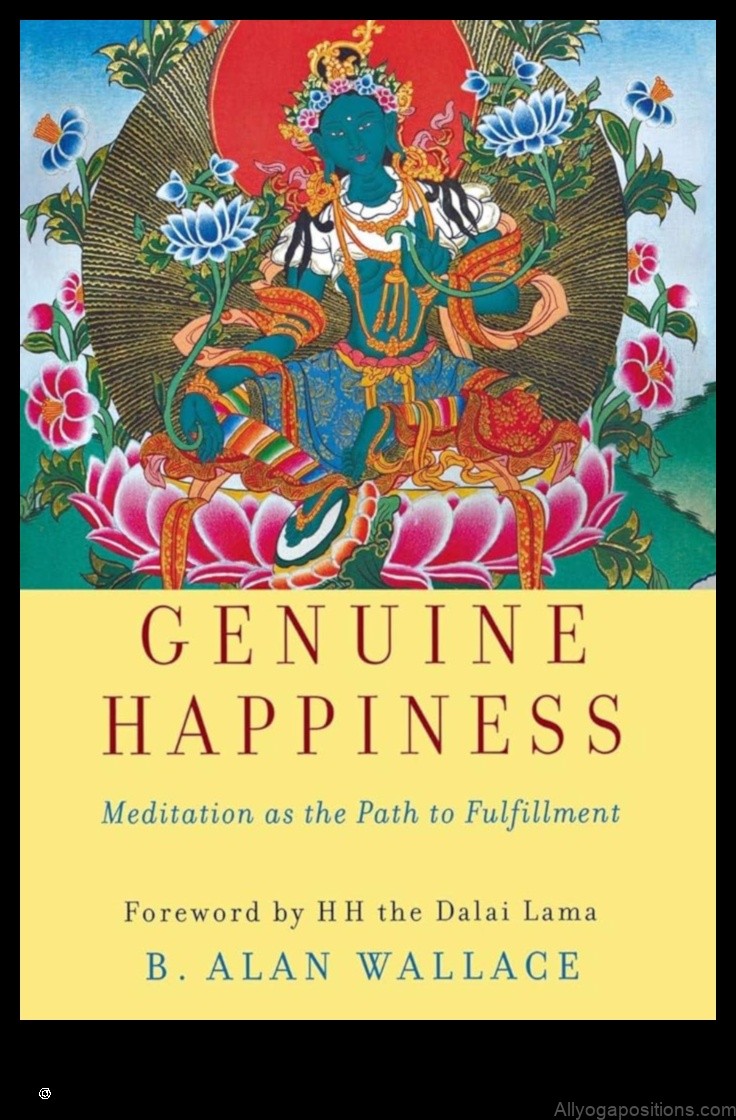
The Joy of Silence: Meditation as a Source of Happiness
Meditation is a practice that has been shown to have a number of benefits for mental and physical health. These benefits include reducing stress, improving focus, and increasing happiness.
In this article, we will explore the connection between meditation and happiness. We will discuss the benefits of meditation for happiness, how to meditate, and common myths about meditation.
We will also provide resources for beginners who are interested in learning more about meditation.
Benefits of meditation for happiness
Meditation has been shown to have a number of benefits for happiness, including:
- Reduced stress
- Improved focus
- Increased happiness
- Improved sleep
- Reduced pain
- Enhanced creativity
- Improved relationships
- Increased self-awareness
These benefits are due to the fact that meditation helps to reduce stress, improve focus, and increase positive emotions.
How to meditate
Meditation is a simple practice that anyone can learn. There are many different ways to meditate, but the basic steps are as follows:
- Find a quiet place where you will not be disturbed.
- Sit in a comfortable position, with your back straight and your feet flat on the floor.
- Close your eyes and focus on your breath.
- Breathe in and out slowly and deeply, paying attention to the feeling of the air as it enters and leaves your body.
- As thoughts arise, let them go and return your attention to your breath.
- Continue to meditate for as long as you like.
It is important to be patient with yourself when you are first starting to meditate. It may take some time to learn how to quiet your mind and focus on your breath.
Common myths about meditation
There are a number of myths about meditation that can prevent people from trying it. Some of the most common myths include:
- Meditation is only for religious people.
- Meditation is difficult to learn.
- Meditation is boring.
- Meditation makes you sleepy.
None of these myths are true. Meditation is not just for religious people, it is a practice that can be beneficial for anyone. Meditation is also not difficult to learn, and it does not have to be boring. In fact, meditation can be a very enjoyable experience.
Meditation techniques
There are many different meditation techniques that you can try. Some of the most popular techniques include:
- Mindfulness meditation
- Transcendental meditation
- Vipassana meditation
- Zen meditation
You can find more information about these different techniques by doing a search online.
Benefits of meditation for specific conditions
Meditation has been shown to have a number of benefits for specific conditions, including:
- Anxiety
- Depression
- Insomnia
- Chronic pain
- Stress
If you are suffering from any of these conditions, meditation may be a helpful complementary therapy.
Meditation for beginners
If you are new to meditation, there are a few things you can do to make the most of your practice.
- Start slowly.
- Meditate for short periods of time at first.
- Find a
Happiness Meditation A state of well-being and contentment A practice that helps to cultivate mindfulness, focus, and relaxation Benefits of happiness include: Benefits of meditation include: – Increased positive emotions – Reduced stress and anxiety – Improved relationships – Improved sleep – Increased creativity – Improved focus and concentration 
2. Benefits of meditation for happiness
Meditation has been shown to have a number of benefits for happiness, including:
- Reduced stress and anxiety
- Improved mood
- Increased focus and concentration
- Enhanced creativity
- Improved sleep
- Increased self-awareness
- Greater compassion and empathy
- Reduced risk of depression and anxiety
These benefits are all associated with increased happiness and well-being. Meditation can help to improve our overall quality of life and make us happier people.
3. Benefits of meditation for happiness
Meditation has been shown to have a number of benefits for happiness, including:
- Reduced stress and anxiety
- Improved mood and well-being
- Increased focus and concentration
- Enhanced creativity and problem-solving
- Improved sleep
- Reduced pain
- Increased self-awareness
- Greater compassion and empathy
These benefits are all associated with increased happiness, as they can help people to feel more calm, relaxed, and in control of their lives.
In addition, meditation can help people to develop a more positive outlook on life, which can also contribute to happiness.
If you are looking for a way to increase your happiness, meditation is a great option. It is a simple practice that can have a profound impact on your life.
4. Common myths about meditation
There are many myths about meditation that can prevent people from trying it. Some of the most common myths include:
- You have to be good at sitting still to meditate.
- Meditation is only for religious people.
- Meditation will make you feel relaxed and sleepy.
- Meditation is a waste of time.
None of these myths are true. Meditation is a simple practice that anyone can learn, regardless of their age, physical ability, or religious beliefs. It can be done anywhere, at any time, and it doesn’t have to take long.
Meditation is not about relaxation or sleep. It is about training the mind to be more focused and present. When you meditate, you are not trying to empty your mind or stop thinking. You are simply trying to observe your thoughts without judgment.
Meditation is not a waste of time. It is a powerful tool that can help you to improve your mental and physical health. Meditation has been shown to reduce stress, anxiety, and depression. It can also improve focus, creativity, and problem-solving skills.
If you are interested in learning more about meditation, there are many resources available online and in libraries. You can also find classes and workshops in your community.
5. Meditation techniques
There are many different meditation techniques, each with its own unique benefits. Some of the most popular techniques include:
- Mindfulness meditation: This type of meditation focuses on paying attention to the present moment, without judgment.
- Body scan meditation: This type of meditation involves focusing on the sensations in your body, from head to toe.
- Visualization meditation: This type of meditation involves creating a mental image of a peaceful or calming place.
- Mantra meditation: This type of meditation involves repeating a mantra, or a word or phrase, over and over again.
The best meditation technique for you will depend on your individual needs and preferences. You may want to experiment with different techniques until you find one that you enjoy and that helps you to achieve your desired results.
When you are first starting out, it is helpful to practice meditation for short periods of time, such as 5 or 10 minutes. As you become more comfortable with meditation, you can gradually increase the length of your practice.
It is also important to find a quiet place to meditate where you will not be disturbed. You may want to light a candle or incense, or play calming music.
When you are ready to begin, sit in a comfortable position and close your eyes. Take a few deep breaths and relax your body. Focus on your breath as it flows in and out.
If your mind wanders, gently bring your attention back to your breath. Continue to do this for the duration of your meditation practice.
6. Benefits of meditation for specific conditions
Meditation has been shown to have a number of benefits for people with a variety of specific conditions, including:
- Anxiety
- Depression
- Stress
- Insomnia
- Chronic pain
- PTSD
- Addiction
- Cancer
In a study of people with anxiety, meditation was found to be as effective as medication in reducing symptoms.
In a study of people with depression, meditation was found to be as effective as antidepressants in reducing symptoms.
In a study of people with stress, meditation was found to reduce stress levels and improve mood.
In a study of people with insomnia, meditation was found to improve sleep quality and duration.
In a study of people with chronic pain, meditation was found to reduce pain intensity and improve pain-related disability.
In a study of people with PTSD, meditation was found to reduce PTSD symptoms and improve quality of life.
In a study of people with addiction, meditation was found to reduce cravings and improve treatment outcomes.
In a study of people with cancer, meditation was found to reduce stress, anxiety, and depression, and improve quality of life.
These studies show that meditation can be a helpful treatment for a variety of specific conditions. If you are struggling with a health condition, talk to your doctor about whether meditation might be a helpful addition to your treatment plan.
7. Meditation for beginners
Meditation is a practice that can be learned by anyone, regardless of their age, experience, or physical ability. There are many different ways to meditate, and the best way to get started is to find a method that feels comfortable and easy for you to practice.
If you are new to meditation, it is helpful to start with a simple practice. One easy way to meditate is to sit in a comfortable position, close your eyes, and focus on your breath. As you breathe in, say to yourself, “I am breathing in.” As you breathe out, say to yourself, “I am breathing out.” Continue to do this for a few minutes, or for as long as you like.
Another simple meditation practice is to focus on a single object. This could be anything from a candle flame to a flower to a mantra. As you focus on the object, try to let go of all other thoughts and simply be present in the moment.
Meditation is a practice that takes time and practice to master. However, even if you only meditate for a few minutes each day, you can start to experience the benefits of meditation, such as increased relaxation, reduced stress, and improved focus.
Resources for meditation
There are a number of resources available to help you learn more about meditation and how to practice it. Here are a few of the best:
- Mindful is a non-profit organization dedicated to teaching mindfulness meditation. They offer a variety of free resources, including articles, videos, and guided meditations.
- Calm is a meditation app that offers a variety of guided meditations for different purposes, including stress relief, sleep, and anxiety.
- Headspace is another meditation app that offers a variety of guided meditations for beginners and experienced meditators alike.
- Dhamma.org is a website that offers free online meditation courses.
- Lion’s Roar is a magazine dedicated to Buddhist practice. They offer a variety of articles on meditation and mindfulness.
FAQ
What is meditation?
Meditation is a practice that involves focusing the mind on a single point of attention, such as the breath or a mantra. It can be done sitting, standing, or lying down. Meditation has been shown to have a number of benefits for both physical and mental health, including reducing stress, improving focus, and boosting mood.
How does meditation help with happiness?
Meditation can help with happiness by reducing stress, improving focus, and boosting mood. When we meditate, we learn to focus our attention on the present moment and let go of thoughts and worries about the past or future. This can help to reduce stress and improve our ability to cope with difficult situations. Meditation can also help to improve our mood by increasing levels of serotonin and dopamine, which are neurotransmitters that are associated with happiness and well-being.
What are the benefits of meditation for specific conditions?
Meditation has been shown to have a number of benefits for a variety of conditions, including anxiety, depression, chronic pain, and insomnia. For example, a study published in the Journal of the American Medical Association found that meditation was effective in reducing symptoms of anxiety and depression. Another study, published in the journal Pain, found that meditation was effective in reducing pain in people with chronic pain.
How do I get started with meditation?
If you’re new to meditation, there are a few things you can do to get started. First, find a quiet place where you won’t be disturbed. You can sit in a chair, cross-legged on the floor, or lie down. Once you’re comfortable, close your eyes and focus on your breath. As you breathe in, say to yourself, “I am breathing in.” As you breathe out, say to yourself, “I am breathing out.” Continue to focus on your breath for a few minutes. If your mind wanders, gently bring your attention back to your breath.
It’s important to be patient with yourself when you’re first starting to meditate. It may take some time to get used to the practice. Just keep practicing and you’ll eventually start to see benefits.
Where can I learn more about meditation?
There are a number of resources available to learn more about meditation. You can find books, articles, and online courses on the subject. You can also find meditation classes at your local community center or yoga studio.
Meditation is a powerful practice that can have a positive impact on your life. If you’re looking for a way to reduce stress, improve your focus, and boost your mood, meditation is a great option.
10. Conclusion
Meditation is a powerful tool that can help you to achieve greater happiness in your life. By practicing meditation regularly, you can learn to quiet your mind, reduce stress, and improve your overall well-being. If you are interested in learning more about meditation, there are many resources available to help you get started.
FAQ
Q: What is meditation?
Meditation is a practice that involves focusing your attention on a single object, thought, or sensation. This can be anything from your breath to a mantra to a visual image. When you meditate, you are training your mind to be still and focused.
Q: What are the benefits of meditation?
Meditation has been shown to have a number of benefits for both physical and mental health. These benefits include:
- Reduced stress and anxiety
- Improved sleep
- Increased focus and concentration
- Improved mood
- Reduced pain
- Improved immune function
- Increased creativity
- Enhanced spiritual awareness
Q: How do I start meditating?
If you are new to meditation, there are a few simple steps you can follow to get started:
- Find a quiet place where you will not be disturbed.
- Sit in a comfortable position with your back straight.
- Close your eyes and focus on your breath.
- Breathe in and out slowly and deeply.
- As thoughts come into your mind, let them go and return your focus to your breath.
- Continue to meditate for as long as you like.
Meditation is a practice that takes time and dedication to master. However, if you are patient and consistent, you will eventually reap the benefits of meditation.
Table of Contents
Maybe You Like Them Too
- Tranquil Touchpoints Yoga for Inner ConnectionA gentle yoga practice to help you find peace and balance in your mind, body, and spirit.
- Yoga for Rehabilitation A Holistic Approach to Healing the Body
- Tolasana Yoga Pose A Guide to This Inverted Backbend
- Yoga for PTSD Recovery A Mindful Way to Heal
- Tittibhasana Yoga Pose A Guide to This Inverted Arm Balance