
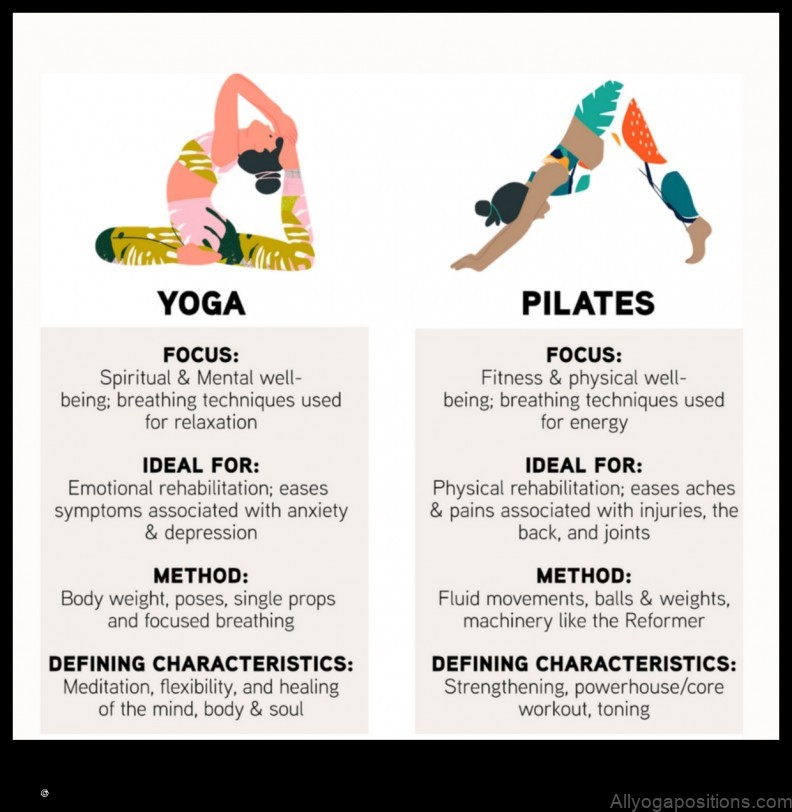
Yoga and Pilates: Finding the Balance
Yoga and Pilates are two popular forms of exercise that offer a variety of benefits. Both practices can help to improve flexibility, strength, and balance. However, there are some key differences between the two practices. Yoga is a more spiritual practice, while Pilates is more focused on physical conditioning.
In this article, we will discuss the benefits of combining yoga and Pilates. We will also provide tips on how to combine the two practices and what to expect when doing them together.
## Benefits of Combining Yoga and Pilates
There are many benefits to combining yoga and Pilates. These include:
- Improved flexibility
- Increased strength
- Better balance
- Reduced stress
- Improved sleep
- Enhanced mood
Yoga can help to improve flexibility by stretching the muscles and joints. Pilates can help to increase strength by strengthening the core muscles. Combining the two practices can help to achieve a balance between flexibility and strength.
Yoga can also help to improve balance by teaching you how to control your breathing and focus your mind. Pilates can help to improve balance by strengthening the core muscles and improving coordination. Combining the two practices can help to create a more stable foundation for your body.
Yoga can help to reduce stress by teaching you how to relax and focus your mind. Pilates can help to reduce stress by strengthening the core muscles and improving posture. Combining the two practices can help to create a more holistic approach to stress management.
Yoga can help to improve sleep by promoting relaxation and reducing stress. Pilates can help to improve sleep by strengthening the core muscles and improving posture. Combining the two practices can help to create a more restful night’s sleep.
Yoga can help to enhance mood by promoting relaxation and reducing stress. Pilates can help to enhance mood by improving strength and flexibility. Combining the two practices can help to create a more balanced and positive outlook on life.
## Tips for Combining Yoga and Pilates
If you are new to yoga and Pilates, it is important to start slowly and gradually increase the intensity of your workouts. You should also listen to your body and avoid overdoing it.
Here are some tips for combining yoga and Pilates:
- Start with a warm-up before your workout.
- Focus on proper form during your workout.
- Listen to your body and avoid overdoing it.
- Take breaks as needed.
- Hydrate before, during, and after your workout.
## What to Expect When Doing Yoga and Pilates Together
When you first start combining yoga and Pilates, you may experience some soreness. This is normal and should go away within a few days. However, if the soreness is severe or persistent, you should see your doctor.
You may also experience some mental benefits when you combine yoga and Pilates. You may feel more relaxed, focused, and positive. You may also experience improved sleep and reduced stress.
## Conclusion
Yoga and Pilates are two great forms of exercise that can offer a variety of benefits. Combining the two practices can help you to achieve a balance between flexibility, strength, and balance. It can also help you to reduce stress, improve sleep, and enhance your mood.
If you are new to yoga and Pilates, it is important to start slowly and gradually increase the intensity of your workouts. You should also listen to your body and avoid overdoing it.
With a little practice, you can combine yoga and Pilates to create a healthy and balanced lifestyle.
| Yoga | Pilates |
|---|---|
| Focuses on flexibility, strength, and breathing | Focuses on core strength, flexibility, and balance |
| Uses a variety of poses, including standing, sitting, and lying down | Uses a series of exercises that are performed on a mat |
| Can be done at any level of fitness | Can be challenging for beginners, but is adaptable to all levels of fitness |
| Can help to improve flexibility, strength, and balance | Can help to improve core strength, flexibility, and balance |
| Can help to reduce stress and anxiety | Can help to reduce stress and anxiety |
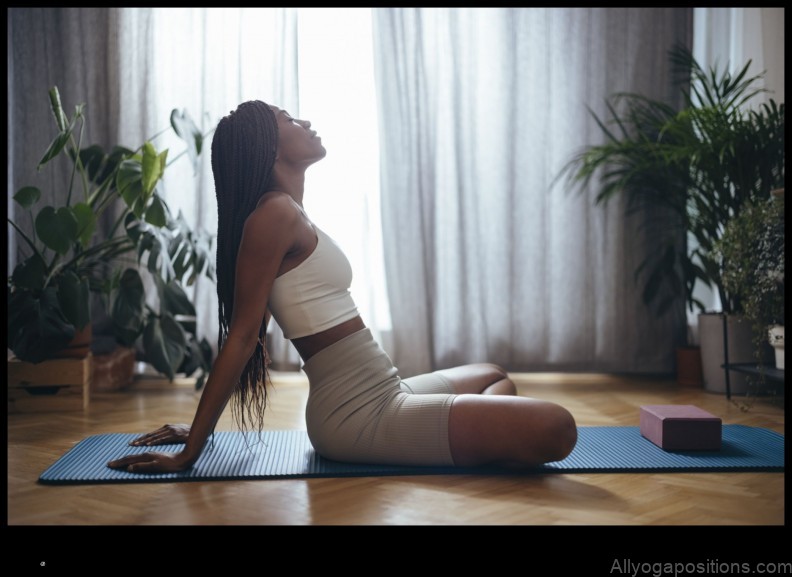
II. History of Yoga
Yoga is an ancient mind and body practice with a history of thousands of years. It originated in India and is based on the belief that the body and mind are connected. Yoga is designed to help people achieve a state of balance and well-being.
The earliest written records of yoga date back to the 2nd century BCE. These texts, known as the Yoga Sutras, were written by Patanjali. The Yoga Sutras describe yoga as a path to liberation from suffering.
Over the centuries, yoga has evolved into a variety of different practices. There are now many different styles of yoga, each with its own unique approach. Some of the most popular styles of yoga include Hatha yoga, Vinyasa yoga, and Bikram yoga.
Yoga is practiced by people of all ages and backgrounds. It is a safe and effective way to improve your physical and mental health. If you are interested in learning more about yoga, there are many resources available to help you get started.
III. Benefits of Yoga for Beginners
Yoga is a mind and body practice that has been around for thousands of years. It is a gentle form of exercise that can help to improve flexibility, strength, and balance. It can also help to reduce stress, improve mood, and promote relaxation.
There are many benefits of yoga for beginners, including:
- Improved flexibility
- Increased strength
- Better balance
- Reduced stress
- Improved mood
- Promoted relaxation
If you are new to yoga, it is important to start slowly and gradually increase the intensity of your practice as you become more comfortable. It is also important to listen to your body and avoid any poses that cause pain.
Yoga is a great way to improve your overall health and well-being. If you are looking for a gentle form of exercise that can help you to relax and de-stress, yoga may be the perfect option for you.
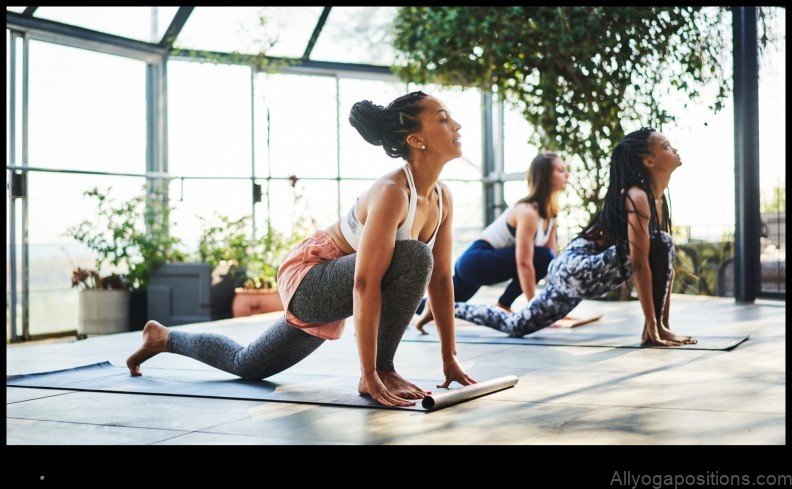
IV. Types of Yoga for Beginners
There are many different types of yoga, each with its own unique benefits. Some of the most popular types of yoga for beginners include:
- Hatha yoga is a gentle and accessible type of yoga that focuses on basic poses and breathing exercises. It is a good choice for beginners who are new to yoga or who have limited flexibility.
- Vinyasa yoga is a more dynamic type of yoga that combines poses with flowing movement. It is a good choice for beginners who are looking for a challenging workout.
- Yin yoga is a slow and meditative type of yoga that focuses on deep stretching and relaxation. It is a good choice for beginners who are looking for a more restorative practice.
You can find classes for all of these types of yoga at most yoga studios. It is important to find a class that is appropriate for your fitness level and interests.
V. How to Start Practicing Yoga
Yoga is a mind and body practice that originated in ancient India. It involves a series of poses, breathing exercises, and meditation. Yoga can help to improve flexibility, strength, balance, and overall well-being.
If you’re new to yoga, there are a few things you can do to get started.
- Find a beginner yoga class. This is a great way to learn the basics of yoga and to get started on your practice.
- Wear comfortable clothing that you can move in easily.
- Bring a yoga mat or towel to class.
- Listen to your body and don’t push yourself too hard.
- Be patient with yourself. It takes time to build strength and flexibility.
Yoga is a great way to improve your overall health and well-being. If you’re new to yoga, start with a beginner class and listen to your body. With practice, you’ll be able to enjoy the many benefits of yoga.
VI. Yoga Poses for BeginnersYoga poses for beginners are designed to help you get started with yoga and build a foundation of strength, flexibility, and balance. These poses are typically simple and easy to follow, and they can be modified to accommodate your individual needs.
Here are some of the most common yoga poses for beginners:
- Standing forward fold
- Warrior pose I
- Downward-facing dog
- Child’s pose
- Bridge pose
- Seated twist
- Savasana
You can find more detailed instructions for these poses and others in our beginner’s yoga guide.
When practicing yoga poses for beginners, it is important to listen to your body and modify the poses as needed. If you feel any pain, stop and rest.
Yoga is a lifelong practice, and it is important to take your time and progress at your own pace. With regular practice, you will soon be able to perform all of the yoga poses with ease.
VII. Yoga for Beginners at Home
Yoga is a great way to get in shape, relieve stress, and improve your overall well-being. But if you’re new to yoga, it can be daunting to know where to start. If you’re looking to practice yoga at home, here are a few tips to get you started:
- Start with a beginner’s class. This will help you learn the basics of yoga and how to do the poses safely.
- Find a comfortable space to practice. You’ll need enough room to move around and a mat to protect your knees and elbows.
- Wear comfortable clothing that you can move in easily.
- Listen to your body and don’t push yourself too hard. If you feel pain, stop and rest.
- Practice yoga regularly. The more you practice, the better you’ll get at it.
Here are some simple yoga poses that you can try at home:
- Standing Forward Fold
- Child’s Pose
- Downward-Facing Dog
- Warrior Pose I
- Triangle Pose
- Sun Salutation
For more information on yoga for beginners, check out the following resources:
- Yoga Journal: Beginner Yoga Poses
- Yoga Basics: Beginner Yoga Videos
- Do Yoga With Me: Yoga for Beginners
Yoga for Beginners with Injuries
Yoga can be a great way to improve your flexibility, strength, and overall well-being. However, if you have an injury, it’s important to take precautions to avoid making it worse. Here are some tips for practicing yoga with injuries:
- Talk to your doctor or physical therapist before starting any yoga practice. They can help you determine which poses are safe for you and how to modify them if necessary.
- Start slowly and gradually increase the intensity of your practice as you feel comfortable.
- Listen to your body and stop if you feel pain.
- Be patient. It may take some time for your body to heal, so don’t get discouraged if you don’t see results immediately.
Here are some specific poses that are gentle on the body and can be helpful for people with injuries:
- Child’s pose
- Cat-cow pose
- Seated forward bend
- Supine twist
- Bridge pose
If you’re looking for a more structured yoga program for beginners with injuries, there are many resources available online and in-person. You can find classes specifically designed for people with injuries, or you can modify traditional yoga poses to make them more accessible.
Yoga can be a great way to improve your health and well-being, even if you have an injury. By taking precautions and listening to your body, you can safely enjoy the benefits of yoga without making your injury worse.
IX. Yoga for Beginners Over 50Yoga is a great way for people of all ages to stay healthy and active, but it can be especially beneficial for people over 50. Yoga can help to improve flexibility, strength, balance, and coordination, and it can also reduce stress and anxiety.
There are many different types of yoga that are suitable for people over 50, so you can find one that fits your needs and interests. Some popular options include hatha yoga, gentle yoga, and restorative yoga.
When starting out with yoga, it is important to listen to your body and to not push yourself too hard. It is also important to find a qualified instructor who can help you to learn the poses safely.
Yoga can be a great way for people over 50 to improve their overall health and well-being. It can help to reduce pain, improve mobility, and increase energy levels. It can also help to improve sleep, reduce stress, and boost mood.
If you are over 50 and are interested in starting yoga, there are many resources available to help you get started. You can find classes at your local community center or gym, or you can take online classes or DVDs.
Yoga is a great way to stay healthy and active as you age. It can help you to live a longer, healthier, and happier life.
X. FAQ
Q: What is the difference between yoga and Pilates?
A: Yoga and Pilates are both mind-body practices that can improve flexibility, strength, and balance. However, there are some key differences between the two. Yoga is a more spiritual practice, while Pilates is more focused on physical fitness. Yoga typically involves a series of poses that are held for several breaths, while Pilates involves more dynamic movements that are repeated in a sequence.
Q: What are the benefits of combining yoga and Pilates?
A: Combining yoga and Pilates can offer a number of benefits, including:
* Increased flexibility
* Improved strength
* Better balance
* Reduced stress
* Improved sleep
* Increased energy
Q: How can I combine yoga and Pilates in my own practice?
There are a few different ways to combine yoga and Pilates in your own practice. You can:
* Take a class that combines the two practices.
* Find a yoga class that incorporates Pilates-inspired movements.
* Do a yoga class followed by a Pilates class.
* Create your own yoga and Pilates routine.
When combining yoga and Pilates, it is important to listen to your body and modify the exercises as needed. If you have any concerns, talk to your doctor before starting a new exercise program.
Table of Contents
Maybe You Like Them Too
- Tranquil Touchpoints Yoga for Inner ConnectionA gentle yoga practice to help you find peace and balance in your mind, body, and spirit.
- Yoga for Rehabilitation A Holistic Approach to Healing the Body
- Tolasana Yoga Pose A Guide to This Inverted Backbend
- Yoga for PTSD Recovery A Mindful Way to Heal
- Tittibhasana Yoga Pose A Guide to This Inverted Arm Balance