
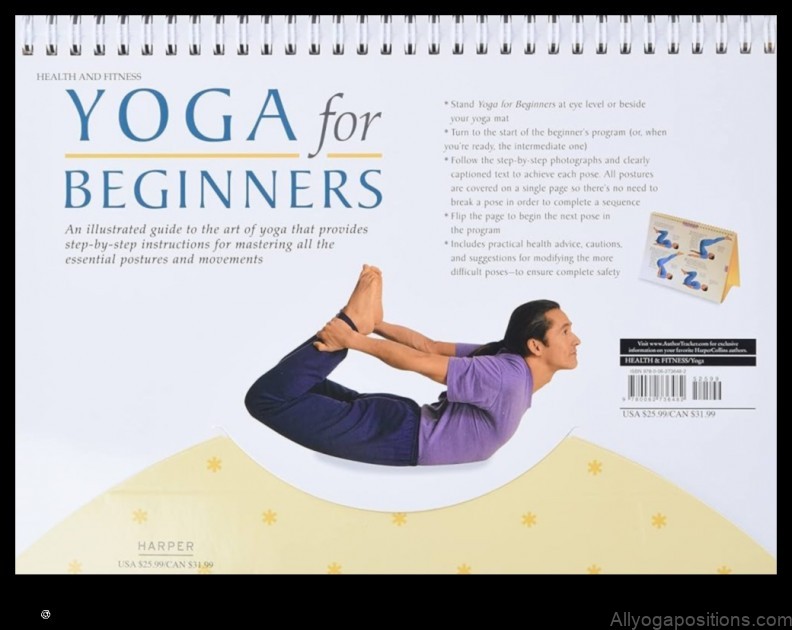
Mastering the Art of Meditation through Yoga
Meditation and yoga are two practices that have been shown to have a number of benefits for both physical and mental health. Meditation can help to reduce stress, anxiety, and depression, while yoga can improve flexibility, strength, and balance. When combined, meditation and yoga can be a powerful tool for improving overall well-being.
There are many different ways to incorporate meditation into your yoga practice. One simple way is to practice mindfulness meditation during your yoga poses. Mindfulness meditation involves focusing on your breath and the present moment, and it can help to bring you into a state of deep relaxation.
Another way to incorporate meditation into your yoga practice is to practice yoga nidra. Yoga nidra is a type of deep relaxation that is sometimes referred to as “yogic sleep.” Yoga nidra can help to reduce stress, improve sleep, and promote healing.
If you are new to meditation or yoga, it is important to start slowly and gradually increase the amount of time you spend practicing. It is also important to find a meditation or yoga practice that you enjoy and that fits into your lifestyle.
If you are interested in learning more about how to meditate using yoga, there are many resources available online and in libraries. You can also find classes and workshops in your local community.
Meditation and yoga can be a powerful combination for improving your overall well-being. By incorporating these practices into your life, you can reduce stress, improve your mood, and increase your sense of well-being.
| Topic | Features |
|---|---|
| Meditation | – Mindfulness – Breathing exercises – Relaxation |
| Yoga | – Physical exercises – Meditation – Relaxation |
| Mindfulness | – Present moment awareness – Non-judgment – Acceptance |
| Breathing exercises | – Controlled breathing – Diaphragmatic breathing – Pranayama |
| Relaxation | – Reduced stress – Improved sleep – Reduced pain |
II. Yoga for Beginners
Yoga is a mind and body practice with a 5,000-year history in ancient Indian philosophy. It’s a holistic system that includes physical postures, breathing exercises, and meditation or relaxation. Yoga can be practiced for a variety of reasons, including stress relief, improved flexibility, and increased strength.
If you’re new to yoga, there are a few things you should know before you start. First, it’s important to find a beginner-friendly class. This will help you learn the basics of yoga and avoid injuries. Second, don’t be afraid to modify poses to make them more comfortable for you. Yoga is about finding what works for you, so don’t push yourself too hard.
Here are a few tips for getting started with yoga for beginners:
- Find a beginner-friendly class.
- Don’t be afraid to modify poses to make them more comfortable for you.
- Listen to your body and stop if you feel pain.
- Practice yoga regularly to see the benefits.
Yoga is a great way to improve your overall well-being. It can help you reduce stress, improve your flexibility, and increase your strength. If you’re new to yoga, start with a beginner-friendly class and listen to your body. With regular practice, you’ll soon see the benefits of yoga.
Mastering the Art of Meditation through Yoga
Meditation and yoga are two powerful practices that can help you to improve your overall well-being. Meditation can help you to relax, reduce stress, and improve your focus. Yoga can help you to strengthen your body, improve your flexibility, and increase your energy. When you combine meditation and yoga, you can create a powerful practice that can help you to achieve a greater sense of peace and well-being.
There are many different ways to combine meditation and yoga. You can practice meditation before or after your yoga practice, or you can integrate meditation into your yoga practice. If you are new to meditation, you may want to start by practicing meditation before your yoga practice. This will help you to relax and focus before you begin your yoga practice.
Once you have mastered the basics of meditation, you can begin to integrate meditation into your yoga practice. There are many different ways to do this. You can practice mindfulness meditation while you are holding a yoga pose. You can also practice mantra meditation while you are moving through your yoga practice.
Meditation and yoga can be a powerful combination for improving your overall well-being. By practicing these two practices together, you can create a powerful routine that can help you to achieve a greater sense of peace and well-being.
Mastering the Art of Meditation through Yoga
Meditation and yoga are two powerful practices that can help you to improve your overall well-being. Meditation can help you to relax, focus, and reduce stress, while yoga can help you to improve your flexibility, strength, and balance. When you combine the two practices, you can create a powerful routine that can help you to achieve a greater sense of peace and happiness.
There are many different ways to incorporate yoga into your meditation practice. You can simply practice yoga before or after you meditate, or you can incorporate yoga poses into your meditation practice itself. If you are new to yoga, it is important to start slowly and gradually increase the intensity of your practice as you become more comfortable.
Here are a few tips for incorporating yoga into your meditation practice:
- Start by choosing a comfortable yoga pose that you can hold for a few minutes.
- Close your eyes and focus on your breath.
- As you breathe in, imagine that you are bringing peace and relaxation into your body.
- As you breathe out, imagine that you are releasing stress and tension from your body.
- Continue to breathe and focus on your body for as long as you like.
If you are feeling overwhelmed or stressed, you can always take a break from your yoga practice and simply focus on your breath. Meditation and yoga are both about being present in the moment, so it is important to listen to your body and mind and do what feels right for you.
With regular practice, you will be able to use yoga and meditation to create a deeper sense of peace and happiness in your life.
Meditation for Beginners
Meditation is a practice that has been shown to have a number of benefits for both physical and mental health. It can help to reduce stress, improve focus, and promote relaxation. If you’re new to meditation, it can be helpful to start with some basic practices that will help you to get started.
Here are a few tips for beginners:
- Find a quiet place where you won’t be disturbed.
- Sit in a comfortable position, either on a chair or on the floor.
- Close your eyes and focus on your breath.
- Breathe in and out slowly and deeply.
- As you breathe, let go of any thoughts or worries that come into your mind.
- Continue to focus on your breath for a few minutes.
- When you’re ready, open your eyes and slowly stand up.
Meditation is a practice that takes time and practice to master. However, even if you only meditate for a few minutes each day, you can start to experience the benefits.
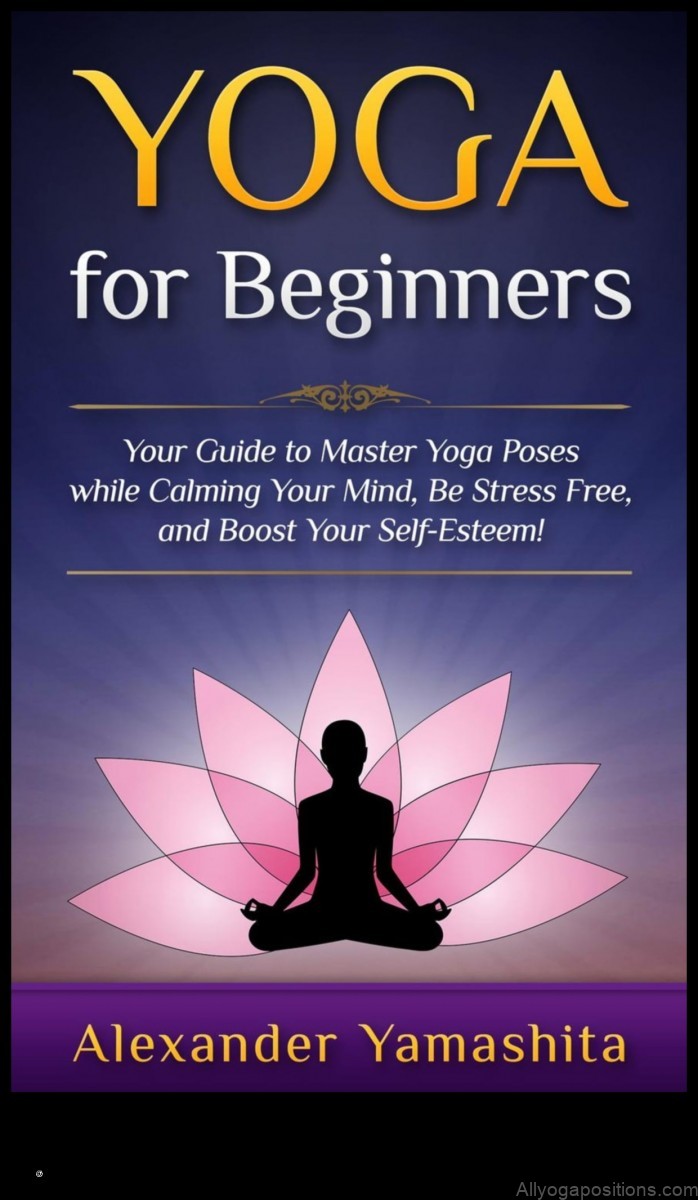
VI. Yoga Poses for Beginners
Yoga poses are a great way to improve your flexibility, strength, and balance. They can also help to reduce stress and anxiety, and improve your overall well-being. If you’re new to yoga, it’s important to start with beginner poses that are easy on your body. Here are a few poses to get you started:
- Standing Forward Fold: Stand with your feet shoulder-width apart, then bend forward from your hips and allow your arms to hang down. Keep your back straight and your shoulders relaxed. Hold for 30 seconds to 1 minute.
- Child’s Pose: Come down onto your hands and knees, then spread your knees apart and sit back on your heels. Bring your forehead to the floor and rest your arms out in front of you. Hold for 30 seconds to 1 minute.
- Downward-Facing Dog: Start in a standing position, then step your feet back so that your hands are shoulder-width apart and your toes are pointed. Bend your knees and lower your body so that your chest is between your thighs and your arms are extended in front of you. Hold for 30 seconds to 1 minute.
- Plank Pose: Start in a push-up position, then lower your forearms to the floor so that your elbows are directly under your shoulders. Keep your body in a straight line from your head to your heels. Hold for 30 seconds to 1 minute.
- Cobra Pose: Lie on your stomach with your legs extended behind you and your arms at your sides. Inhale and lift your head and chest off the floor, keeping your arms straight and your gaze forward. Hold for 30 seconds to 1 minute.
These are just a few of the many beginner yoga poses that you can try. As you get more comfortable with yoga, you can start to challenge yourself with more difficult poses. Always listen to your body and stop if you feel pain.
Mastering the Art of Meditation through Yoga
Meditation and yoga are two ancient practices that have been shown to have a number of benefits for both physical and mental health. Meditation can help to reduce stress, improve focus, and promote relaxation, while yoga can help to improve flexibility, strength, and balance. When combined, meditation and yoga can be a powerful tool for improving overall well-being.
There are many different ways to incorporate meditation and yoga into your life. You can start by practicing simple meditation techniques for a few minutes each day, and gradually increase the length of your meditation practice as you become more comfortable. You can also start by practicing basic yoga poses, and gradually progress to more challenging poses as your strength and flexibility improve.
If you are new to meditation and yoga, it is important to find a qualified teacher who can help you to learn the basics of each practice. A good teacher can help you to develop a safe and effective meditation and yoga practice that is tailored to your individual needs.
Meditation and yoga can be a powerful tool for improving your overall well-being. By incorporating these practices into your life, you can learn to reduce stress, improve focus, and promote relaxation. You can also improve your flexibility, strength, and balance.
VIII. Mastering the Art of Meditation through Yoga
Meditation and yoga are two complementary practices that can help you to achieve a state of deep relaxation and inner peace. Meditation helps to quiet the mind and focus attention, while yoga helps to stretch and strengthen the body. When combined, these practices can create a powerful tool for improving your overall well-being.
There are many different ways to incorporate yoga into your meditation practice. You can simply practice yoga before or after you meditate, or you can incorporate yoga poses into your meditation practice itself. Some popular yoga poses for meditation include:
- Child’s pose
- Seated forward bend
- Corpse pose
- Standing forward bend
- Warrior pose
When practicing yoga for meditation, it is important to focus on your breath and to let go of any thoughts or distractions. Allow your body to relax and your mind to quiet. With practice, you will be able to achieve a deep state of meditation that will leave you feeling refreshed and rejuvenated.
IX. Meditation Quotes
Here are some quotes about meditation:
“Meditation is the art of peaceful living.” – Thich Nhat Hanh
“Meditation is the journey of the self to the self.” – Swami Vivekananda
“Meditation is the key to open the door to your inner self.” – Swami Sivananda
“Meditation is the art of living in the present moment.” – Eckhart Tolle
“Meditation is the art of letting go.” – Jon Kabat-Zinn
“Meditation is the art of seeing clearly.” – Deepak Chopra
“Meditation is the art of being.” – Osho
“Meditation is the art of doing nothing.” – Shunryu Suzuki
“Meditation is the art of being aware.” – Anthony de Mello
X. FAQ
Q: What is the difference between meditation and yoga?
A: Meditation is a mind-body practice that involves focusing the attention on a single point, such as the breath or a mantra. Yoga is a physical practice that involves poses, breathing exercises, and relaxation techniques.
Q: How can I incorporate yoga into my meditation practice?
A: There are many ways to incorporate yoga into your meditation practice. You can practice yoga before or after meditation, or you can do them together. Some poses that are particularly helpful for meditation include the child’s pose, the seated forward bend, and the savasana.
Q: What are the benefits of combining meditation and yoga?
A: There are many benefits to combining meditation and yoga, including:
- Reduced stress and anxiety
- Improved focus and concentration
- Increased flexibility and strength
- Better sleep
- Improved overall well-being
Table of Contents
Maybe You Like Them Too
- Tranquil Touchpoints Yoga for Inner ConnectionA gentle yoga practice to help you find peace and balance in your mind, body, and spirit.
- Yoga for Rehabilitation A Holistic Approach to Healing the Body
- Tolasana Yoga Pose A Guide to This Inverted Backbend
- Yoga for PTSD Recovery A Mindful Way to Heal
- Tittibhasana Yoga Pose A Guide to This Inverted Arm Balance