
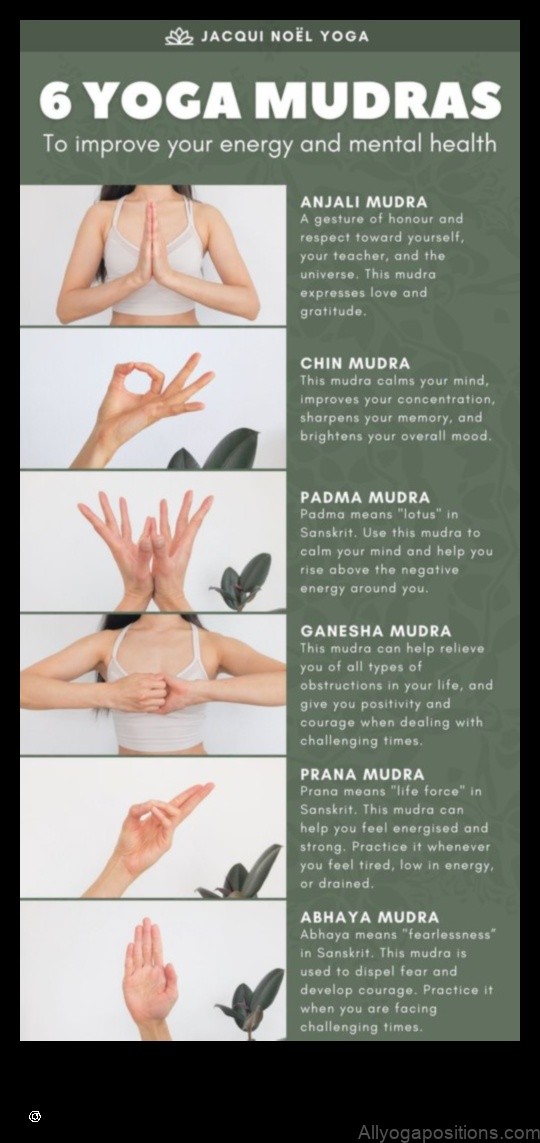
Yoga for Emotional Healing: Mudras for Emotional Wellbeing
Mudras are hand gestures that have been used in yoga and meditation for centuries. They are believed to have the power to promote healing and balance on both a physical and emotional level.
There are many different mudras that can be used for emotional wellbeing. Some of the most common include:
- The Gyan Mudra (Chin Mudra): This mudra is said to promote concentration, focus, and clarity. To do this mudra, simply touch the tip of your index finger to the tip of your thumb.
- The Apana Mudra (Earth Mudra): This mudra is said to help to ground and center the body. To do this mudra, simply place your hands on your knees with your palms facing down and your fingers together.
- The Surya Mudra (Sun Mudra): This mudra is said to promote energy, vitality, and optimism. To do this mudra, simply extend your arms out in front of you with your palms facing up and your fingers together.
You can practice mudras for emotional wellbeing at any time of day, but they are particularly helpful when you are feeling stressed, anxious, or depressed. To do a mudra, simply sit in a comfortable position and hold the mudra for a few minutes, breathing deeply and focusing on your breath.
You can also practice mudras while you are doing yoga or meditation. If you are new to mudras, it is a good idea to start with the Gyan Mudra or the Apana Mudra. Once you are comfortable with these two mudras, you can start to experiment with other mudras.
Mudras are a safe and effective way to promote emotional wellbeing. They are easy to learn and can be practiced anywhere, making them a great option for people who are looking for a natural way to improve their mental health.
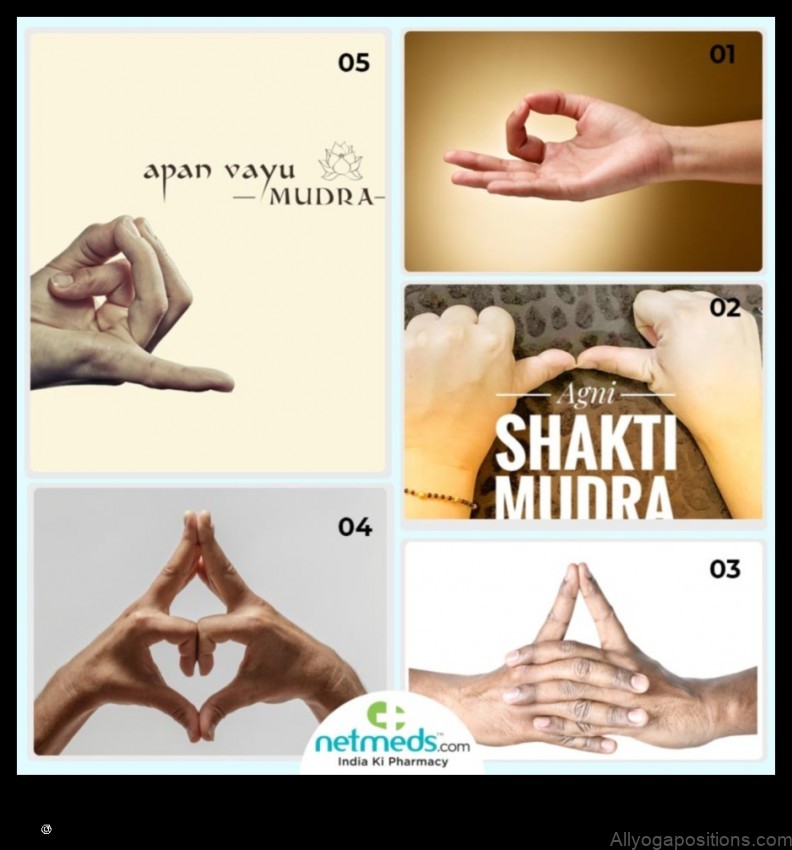
Benefits of Mudras
Mudras have been shown to have a number of benefits for emotional wellbeing, including:
- Reduced stress and anxiety
- Improved mood
- Increased energy and vitality
- Enhanced focus and concentration
- Improved sleep
- Reduced pain
Mudras are believed to work by stimulating the flow of energy through the body. When the energy flow is blocked, it can lead to a variety of physical and emotional problems. Mudras can help to unblock the energy flow and restore balance to the body, which can lead to a number of benefits for emotional wellbeing.
How to Do Mudras
Mudras are easy to do and can be practiced anywhere. To do a mudra, simply sit in a comfortable position and hold the mudra for a few minutes, breathing deeply and focusing on your breath.
You can practice mudras for emotional wellbeing at any time of day, but they are particularly helpful when you are feeling stressed, anxious, or depressed.
Here are instructions for how to do some of the most common mudras for emotional wellbeing:
- The Gyan Mudra (Chin Mudra): To do this mudra, simply touch the tip of your index finger to the tip of your thumb.
- The Apana Mudra (Earth Mudra): To do this mudra, simply place your hands on your knees with your palms facing down and your fingers together.
- The Surya Mudra (Sun Mudra): To do this mudra, simply extend your arms out in front of you with your palms facing up and your fingers together.
You can also find many other mudras online and in books. If you are new to mudras, it is a good idea to start with the Gyan Mudra or the Apana Mudra. Once you are comfortable with these two mudras, you can start to experiment with other mudras.
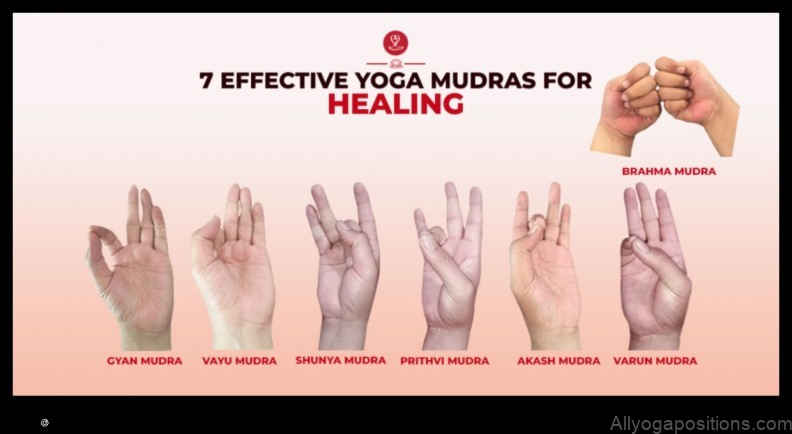
Common Mudras for Emotional Wellbeing
There are many different mudras that can be used for
| Feature | Description |
|---|---|
| Emotional Healing Yoga | Yoga poses and techniques that can help to improve emotional wellbeing. |
| Mudras for Emotional Wellbeing | Hand gestures that can help to balance the chakras and promote emotional healing. |
| Yoga for Stress Relief | Yoga poses and techniques that can help to reduce stress and anxiety. |
| Yoga for Anxiety | Yoga poses and techniques that can help to manage anxiety and promote relaxation. |
| Yoga for Depression | Yoga poses and techniques that can help to relieve depression and promote feelings of well-being. |
I. Mudras for Emotional Wellbeing
Mudras are hand gestures that have been used in yoga and meditation for centuries. They are believed to have a number of benefits, including improving emotional wellbeing.
When you perform a mudra, you are sending a message to your body and mind. You are telling your body to relax and your mind to focus. This can help to reduce stress and anxiety, and improve your mood.
There are many different mudras that can be used for emotional wellbeing. Some of the most common include:
- The Gyan Mudra: This mudra is said to promote clarity and focus. To perform it, place your index finger and thumb together to form a circle.
- The Chin Mudra: This mudra is said to relieve stress and anxiety. To perform it, place your index finger and middle finger together to form a V shape.
- The Anjali Mudra: This mudra is said to promote peace and tranquility. To perform it, join your hands together in front of your heart.
You can practice mudras for emotional wellbeing at any time of day. However, they are often most effective when practiced in the morning or evening.
To get the most benefit from mudras, it is important to practice them regularly. You should also try to focus on your breath and your intention while you are performing the mudras.
Mudras are a safe and effective way to improve your emotional wellbeing. They are a simple and easy way to add a little bit of yoga into your daily life.
Benefits of Mudras
Mudras have been shown to have a number of benefits for emotional wellbeing, including:
- Reduced stress and anxiety
- Improved mood
- Increased energy
- Enhanced relaxation
- Improved sleep
- Increased focus and concentration
- Reduced pain
- Improved overall health and well-being
These benefits are due to the fact that mudras help to balance the flow of energy in the body, which can lead to a number of positive changes in both physical and mental health.
If you are looking for a natural way to improve your emotional wellbeing, mudras can be a great option. They are easy to learn and can be practiced anywhere, making them a convenient and accessible way to promote overall health and well-being.
IV. Common Mudras for Emotional Wellbeing
There are many different mudras that can be used for emotional wellbeing. Some of the most common include:
- Gyan Mudra: This mudra is used to promote concentration, focus, and clarity. To do this mudra, place the tips of your index finger and thumb together, with your other fingers extended.
- Chin Mudra: This mudra is used to relieve stress and anxiety. To do this mudra, place the tips of your thumb and middle finger together, with your other fingers extended.
- Anahata Mudra: This mudra is used to open the heart chakra and promote love, compassion, and forgiveness. To do this mudra, place the tips of your middle, ring, and little fingers together, with your index finger and thumb extended.
- Surya Mudra: This mudra is used to increase energy and vitality. To do this mudra, extend your arms out to the sides with your palms facing up. Bring your hands together in front of your chest, with your thumbs touching and your fingers spread apart.
- Prana Mudra: This mudra is used to increase prana, or life force energy. To do this mudra, extend your arms out to the sides with your palms facing down. Bring your hands together in front of your chest, with your thumbs touching and your fingers spread apart.
These are just a few of the many mudras that can be used for emotional wellbeing. If you are interested in learning more about mudras, there are many resources available online and in libraries.
How to Choose the Right Mudra
There are many different mudras, and each one has its own unique benefits. When choosing a mudra, it is important to consider your individual needs and goals. Here are a few things to keep in mind:
- What are you hoping to achieve with the mudra? Do you want to relieve stress, improve your mood, or boost your energy?
- What is your current state of mind and body? Are you feeling stressed, anxious, or depressed?
- What is your experience level with yoga and mudras? If you are new to yoga, you may want to start with a simple mudra that is easy to learn.
Once you have considered these factors, you can choose a mudra that is right for you. Here are a few tips for choosing a mudra:
- Start with a simple mudra. If you are new to yoga, you may want to start with a simple mudra that is easy to learn.
- Practice the mudra for a few minutes each day. The longer you practice the mudra, the more benefits you will experience.
- Listen to your body. If a mudra feels uncomfortable, stop practicing it and try a different one.
With a little practice, you can find a mudra that helps you to feel your best.
6. Safety Precautions for MudrasWhen practicing mudras, it is important to take some safety precautions to avoid any potential risks. Here are a few things to keep in mind:
- Start slowly and gradually increase the duration and intensity of your practice over time.
- Listen to your body and stop if you experience any pain or discomfort.
- Do not practice mudras if you are pregnant or have any other health conditions that could be affected by them.
- Consult with a qualified healthcare practitioner before starting any new yoga or meditation practice.
VII. FAQ
Q: What are mudras?
A: Mudras are hand gestures that are used in yoga and meditation. They are said to have a variety of benefits, including improving emotional wellbeing, reducing stress, and promoting relaxation.
Q: How do mudras work?
A: Mudras work by stimulating the energy channels in the body, known as meridians. When these channels are stimulated, it is said to promote a flow of positive energy throughout the body, which can lead to improved emotional wellbeing.
Q: What are the benefits of mudras?
A: Mudras have been shown to have a number of benefits, including:
- Reducing stress
- Promoting relaxation
- Improving mood
- Reducing anxiety
- Boosting energy
- Improving focus
- Reducing pain
Q: How do I do mudras?
A: To do a mudra, simply place your hands in the desired position and hold for a few minutes. You can do mudras while sitting in meditation, while lying down, or while doing other activities.
Q: How often should I do mudras?
A: There is no set number of times you should do mudras. You can do them as often as you like, but it is generally recommended to do them for at least a few minutes each day.
Q: What are the safety precautions for mudras?
A: There are no known safety precautions for mudras. However, it is important to listen to your body and stop if you experience any pain or discomfort.
Q: Are there any contraindications for mudras?
A: There are no known contraindications for mudras. However, if you have any concerns, it is always best to consult with a doctor before starting any new practice.
Q: Where can I learn more about mudras?
A: There are a number of resources available to learn more about mudras. You can find books, articles, and videos online and in libraries. You can also find classes and workshops on mudras at yoga studios and meditation centers.
Conclusion
Conclusion
Yoga and mudras are powerful tools that can be used to improve emotional wellbeing. By practicing yoga and mudras regularly, you can learn to manage stress, reduce anxiety, and improve your mood. You can also use yoga and mudras to connect with your inner self and find peace and tranquility.
If you are interested in learning more about yoga and mudras for emotional wellbeing, there are many resources available to you. You can find classes at your local yoga studio, or you can learn from books, DVDs, or online tutorials. You can also find support from online communities of yoga and mudra practitioners.
With regular practice, yoga and mudras can help you to live a more balanced and fulfilling life.
Here are some resources that you may find helpful:
- Yoga Journal: How to Use Mudras for Emotional Healing
- MindBodyGreen: Mudras for Emotional Healing
- Healthline: Mudras for Anxiety
- VerywellMind: Mudras for Depression
Yoga for Emotional Healing: Mudras for Emotional Wellbeing
FAQ
Q: What are mudras?
A: Mudras are hand gestures that are used in yoga and meditation to promote healing and wellbeing. They are believed to stimulate specific energy channels in the body, and can help to balance the mind and emotions.
Q: How do mudras work?
A: Mudras work by stimulating the nerves in the hands, which are connected to the major organs and glands in the body. When the nerves are stimulated, it can help to improve circulation, balance hormones, and reduce stress.
Q: What are the benefits of mudras?
A: Mudras can offer a variety of benefits for emotional wellbeing, including:
- Reduced stress and anxiety
- Improved mood
- Increased energy
- Enhanced creativity
- Deeper relaxation
Table of Contents
Maybe You Like Them Too
- Tranquil Touchpoints Yoga for Inner ConnectionA gentle yoga practice to help you find peace and balance in your mind, body, and spirit.
- Yoga for Rehabilitation A Holistic Approach to Healing the Body
- Tolasana Yoga Pose A Guide to This Inverted Backbend
- Yoga for PTSD Recovery A Mindful Way to Heal
- Tittibhasana Yoga Pose A Guide to This Inverted Arm Balance