
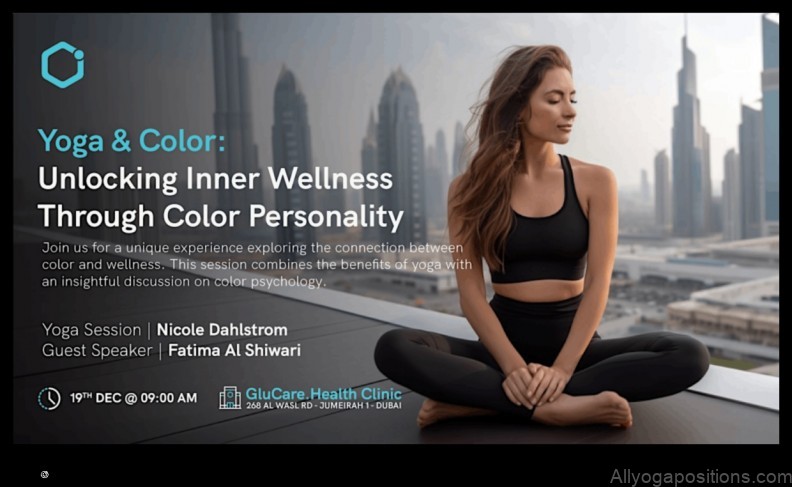
Yoga for Emotional Wellness: Color Therapy
Yoga and color therapy are two ancient practices that have been shown to have a number of benefits for emotional well-being. Yoga can help to reduce stress, anxiety, and depression, while color therapy can help to promote relaxation, balance, and healing. When combined, yoga and color therapy can be a powerful tool for improving emotional wellness.
In this article, we will discuss the benefits of yoga and color therapy for emotional well-being, and how you can use these practices together to create a more balanced and healthy life.
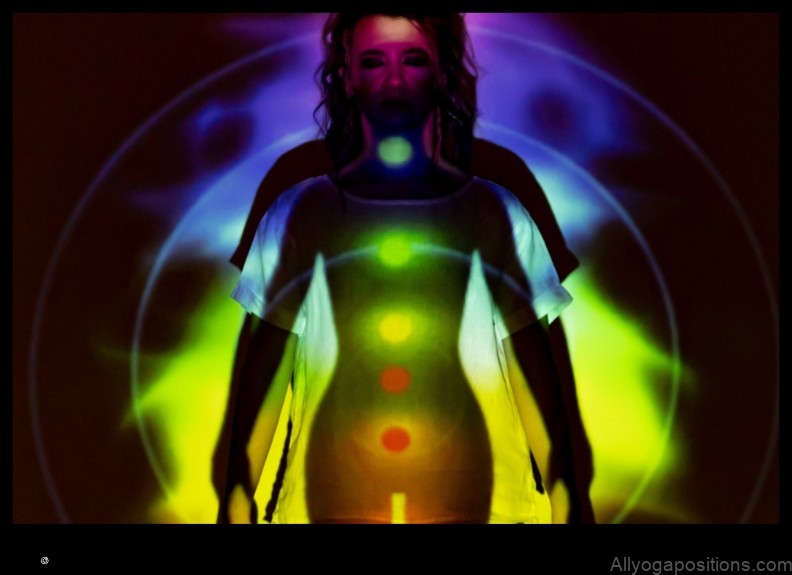
Benefits of Yoga for Emotional Well-Being
Yoga has been shown to have a number of benefits for emotional well-being, including:
- Reduced stress
- Reduced anxiety
- Reduced depression
- Improved mood
- Increased self-awareness
- Increased mindfulness
- Improved sleep
Yoga can help to reduce stress and anxiety by promoting relaxation and mindfulness. When you practice yoga, you focus on your breath and your body, which helps to quiet your mind and reduce stress levels. Yoga can also help to improve your mood by releasing endorphins, which have mood-boosting effects.
Yoga can also help to improve your self-awareness and mindfulness. When you practice yoga, you learn to pay attention to your body and your breath, which can help you to become more aware of your thoughts and emotions. This increased awareness can help you to make healthier choices and to live a more fulfilling life.
Finally, yoga can help to improve your sleep. When you practice yoga, you relax your muscles and your mind, which can help you to fall asleep more easily and to sleep more soundly.
Benefits of Color Therapy for Emotional Well-Being
Color therapy is a holistic healing practice that uses the colors of the visible light spectrum to promote healing and well-being. Each color has its own unique vibration, and when it is used in therapy, it can help to balance the body, mind, and spirit.
Color therapy has been shown to have a number of benefits for emotional well-being, including:
- Reduced stress
- Reduced anxiety
- Reduced depression
- Improved mood
- Increased energy
- Improved sleep
Color therapy can help to reduce stress and anxiety by promoting relaxation and balance. When you are exposed to certain colors, it can help to stimulate the production of endorphins, which have mood-boosting effects. Color therapy can also help to improve your mood and energy levels by stimulating the body’s natural healing processes.
Finally, color therapy can help to improve your sleep by promoting relaxation and rest. When you are exposed to certain colors, it can help to slow down your heart rate and breathing, which can help you to fall asleep more easily and to sleep more soundly.
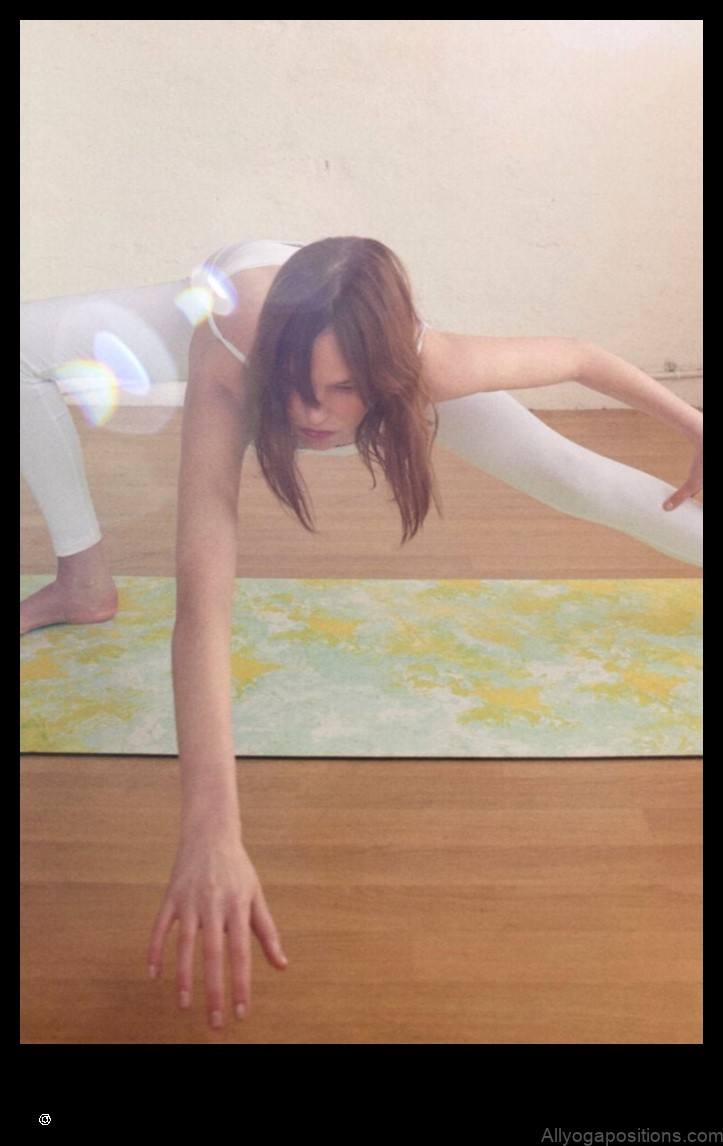
How to Use Yoga and Color Therapy Together
Yoga and color therapy can be used together to create a powerful healing experience. When you combine the physical benefits of yoga with the emotional benefits of color therapy, you can create a more balanced and healthy life.
There are a few different ways to use yoga and color therapy together. You can choose to practice yoga in a room that is painted in a specific color, or you can wear clothing that is the color of your choosing. You can also use crystals or essential oils that are associated with certain colors.
Another way to use yoga and color therapy together is to visualize a specific color while you are practicing yoga. For example, if you are feeling stressed, you could visualize the color blue. Blue is associated with calmness and relaxation, so visualizing this color can help to reduce your stress levels.
You can also use yoga and color therapy to create a personalized healing experience. Choose a color that you feel drawn to, and then practice yoga in a room that is painted in that color. You can also wear clothing that is the color of your
| Feature | Description |
|---|---|
| Color Therapy | The use of color to promote healing and well-being. |
| Yoga | A mind-body practice that combines physical postures, breathing exercises, and meditation. |
| Emotional Wellness | The ability to manage emotions in a healthy way. |
| Stress Relief | The reduction of stress levels. |
| Mindfulness | The practice of paying attention to the present moment with awareness and acceptance. |
II. Benefits of Yoga
Yoga has been shown to have a number of benefits for physical and mental health, including:
- Reduced stress and anxiety
- Improved sleep
- Increased flexibility
- Strengthened muscles
- Improved balance
- Reduced pain
- Improved mood
- Increased energy
- Enhanced self-awareness
Yoga can also help to improve overall well-being and promote a sense of peace and tranquility.
III. Types of Yoga
There are many different types of yoga, each with its own unique benefits. Some of the most popular types of yoga include:
* Hatha yoga: This is a general type of yoga that focuses on the physical aspects of yoga, such as postures, breathing exercises, and meditation.
* Vinyasa yoga: This type of yoga is more flowing and dynamic than Hatha yoga, and it typically involves a series of poses that are linked together by breath.
* Bikram yoga: This type of yoga is practiced in a heated room, and it is said to help improve flexibility, strength, and cardiovascular health.
* Ashtanga yoga: This type of yoga is a more challenging form of yoga that is based on the principles of Patanjali’s Yoga Sutras.
* Iyengar yoga: This type of yoga focuses on precision and alignment, and it is often used for therapeutic purposes.
The best type of yoga for you will depend on your individual needs and preferences. If you are new to yoga, it is a good idea to start with a gentle type of yoga, such as Hatha or Yin yoga. As you become more experienced, you may want to try a more challenging type of yoga, such as Vinyasa or Bikram yoga.
IV. How to Get Started with Yoga
Yoga is a mind and body practice that can be enjoyed by people of all ages and abilities. It is a great way to relieve stress, improve flexibility, and increase strength. If you are new to yoga, there are a few things you can do to get started.
First, find a beginner yoga class in your area. There are many different types of yoga, so it is important to find a class that is right for you. You can also find online yoga classes or videos that you can follow at home.
When you are first starting out, it is important to listen to your body and not push yourself too hard. Start with a few simple poses and gradually increase the length of your practice as you get stronger and more flexible.
Here are some tips for getting started with yoga:
- Wear comfortable clothing that you can move around in easily.
- Find a quiet place to practice where you will not be disturbed.
- Start with a few simple poses and gradually increase the length of your practice as you get stronger and more flexible.
- Listen to your body and do not push yourself too hard.
- Yoga is a lifelong practice. There is no need to rush through it. Take your time and enjoy the journey.
V. Yoga Poses for Beginners
Yoga poses for beginners are designed to help you get started with yoga and build a foundation of strength and flexibility. These poses are typically gentle and easy to follow, and they can be modified to suit your individual needs.
Here are some of the most common yoga poses for beginners:
- Standing Forward Fold
- Child’s Pose
- Downward-Facing Dog
- Cat-Cow Pose
- Warrior I Pose
- Warrior II Pose
- Triangle Pose
- Half Moon Pose
- Bridge Pose
You can find more information about these poses and how to do them correctly in our beginner’s yoga poses guide.
VI. Yoga Poses for Advanced Practitioners
Yoga poses for advanced practitioners are designed to challenge the body and mind. They require strength, flexibility, and balance, and they can help to improve overall fitness and well-being.
Some of the benefits of practicing advanced yoga poses include:
- Increased strength and flexibility
- Improved balance
- Reduced stress and anxiety
- Improved mood
- Increased energy levels
If you are new to yoga, it is important to start with beginner poses and gradually work your way up to more challenging poses. Always listen to your body and avoid pushing yourself too hard.
Here are some examples of yoga poses for advanced practitioners:
- Sirsasana (Headstand)
- Sarvangasana (Shoulderstand)
- Urdhva Dhanurasana (Upward Bow Pose)
- Pincha Mayurasana (Peacock Pose)
- Adho Mukha Vrksasana (Downward-Facing Dog Pose)
If you are interested in learning more about yoga poses for advanced practitioners, there are many resources available online and in libraries. You can also find classes at your local yoga studio or community center.
VII. Yoga for Weight Loss
Yoga is a mind and body practice that has been shown to have many benefits for overall health and well-being. It can also be helpful for weight loss, as it can help to improve flexibility, strength, and balance. Yoga can also help to reduce stress and anxiety, which can lead to weight gain.
There are many different types of yoga, and some are more beneficial for weight loss than others. Vinyasa yoga, for example, is a type of yoga that is fast-paced and uses a lot of movement. This type of yoga can help to burn calories and build muscle. Hatha yoga is another type of yoga that is slower-paced and focuses on poses that are held for longer periods of time. This type of yoga can help to improve flexibility and strength.
If you are looking to use yoga to lose weight, it is important to find a type of yoga that you enjoy and that you will stick with. It is also important to make sure that you are eating a healthy diet and getting enough exercise.
Yoga can be a great way to lose weight and improve your overall health and well-being. If you are interested in learning more about how yoga can help you reach your weight loss goals, talk to your doctor or a yoga instructor.
Yoga for Stress Relief
Yoga is a mind-body practice that can help to relieve stress in a number of ways.
- Yoga can help to improve your flexibility and strength, which can make you feel more confident and in control of your body.
- Yoga can help to improve your breathing and circulation, which can help to reduce stress levels.
- Yoga can help to improve your mood and reduce anxiety.
- Yoga can help to promote relaxation and mindfulness.
If you are looking for a natural way to relieve stress, yoga is a great option. There are many different types of yoga, so you can find one that fits your needs and interests. You can also find yoga classes in most communities, so you can get started right away.
Yoga is a mind and body practice that has been shown to have a number of benefits for overall health and well-being, including improved sleep.
Yoga can help to improve sleep quality by reducing stress, anxiety, and depression, which are all common factors that can lead to sleep problems.
Yoga can also help to improve sleep by promoting relaxation and deep breathing, which can both help to create a more conducive environment for sleep.
In addition, yoga can help to improve sleep by strengthening the body and mind, which can make it easier to fall asleep and stay asleep throughout the night.
If you are struggling with sleep problems, yoga may be a helpful complementary therapy to try. Talk to your doctor or a yoga instructor to learn more about how yoga can help you get a better night’s sleep.
X. FAQ
Q: What is color therapy?
A: Color therapy is a holistic healing practice that uses the colors of the visible light spectrum to promote physical, emotional, and spiritual well-being. Each color is believed to have its own unique properties and effects on the body and mind.
Q: How does color therapy work?
A: Color therapy works by stimulating the body’s natural healing mechanisms. When you look at a particular color, the light waves from that color are absorbed by the retina of your eye and transmitted to the brain. The brain then interprets the color and sends signals to the body’s cells and organs, which can then produce a variety of beneficial effects.
Q: What are the benefits of color therapy?
A: Color therapy can offer a wide range of benefits, including:
* Reduced stress and anxiety
* Improved mood and energy levels
* Enhanced sleep quality
* Increased creativity and productivity
* Improved immune function
* Reduced pain and inflammation
* Faster healing
* Improved overall well-being
Table of Contents
Maybe You Like Them Too
- Tranquil Touchpoints Yoga for Inner ConnectionA gentle yoga practice to help you find peace and balance in your mind, body, and spirit.
- Yoga for Rehabilitation A Holistic Approach to Healing the Body
- Tolasana Yoga Pose A Guide to This Inverted Backbend
- Yoga for PTSD Recovery A Mindful Way to Heal
- Tittibhasana Yoga Pose A Guide to This Inverted Arm Balance