
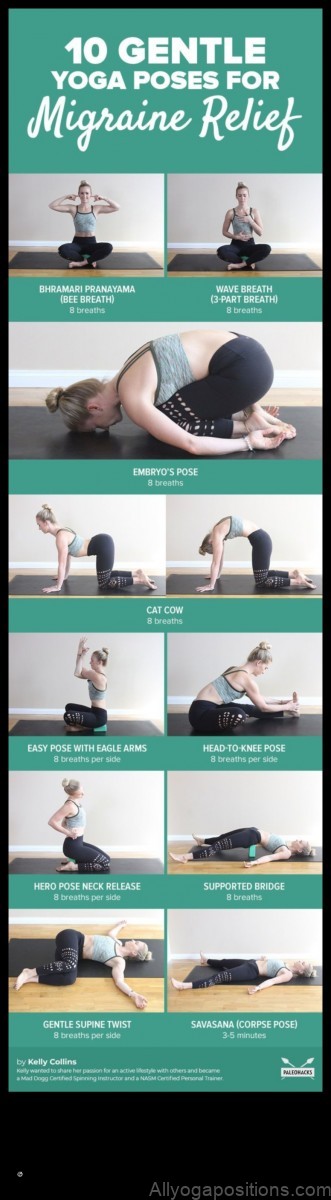
Yoga for Migraine Relief
Yoga is a mind-body practice that can help to relieve migraines. It can help to reduce pain, stress, and anxiety, and it can also improve sleep. There are many different types of yoga, and some are better suited for people with migraines than others.
In this article, we will discuss how yoga can help with migraines, the different types of yoga that are available, and how to choose the right type of yoga for you. We will also provide tips on how to do yoga for migraines safely and effectively.
If you are interested in trying yoga for migraine relief, it is important to talk to your doctor first. They can help you determine if yoga is right for you and recommend a type of yoga that is appropriate for your needs.
How does yoga help with migraines?
Yoga can help with migraines in a number of ways. It can help to reduce pain, stress, and anxiety, and it can also improve sleep.
When you practice yoga, you are engaging in a number of activities that can help to relieve migraine pain. These activities include:
- Stretching: Stretching can help to relieve muscle tension, which can be a contributing factor to migraines.
- Breathing exercises: Breathing exercises can help to reduce stress and anxiety, which can also be triggers for migraines.
- Meditation: Meditation can help to calm the mind and body, which can help to prevent migraines from occurring.
Yoga can also help to improve sleep, which is another important factor in migraine prevention. When you get enough sleep, your body is better able to cope with stress and other triggers for migraines.
What are the different types of yoga?
There are many different types of yoga, and some are better suited for people with migraines than others. The following types of yoga are generally considered to be safe and effective for people with migraines:
- Hatha yoga: Hatha yoga is a gentle form of yoga that focuses on stretching and breathing exercises. It is a good option for people who are new to yoga or who have chronic pain.
- Yin yoga: Yin yoga is a slow-paced form of yoga that focuses on deep stretching. It is a good option for people who want to relax and relieve stress.
- Restorative yoga: Restorative yoga is a passive form of yoga that focuses on relaxation and healing. It is a good option for people who are recovering from an injury or who have chronic pain.
If you are not sure what type of yoga is right for you, it is best to talk to your doctor or a yoga instructor. They can help you determine the best type of yoga for your needs and abilities.
How to choose the right type of yoga for migraines
When choosing the right type of yoga for migraines, it is important to consider the following factors:
- Your fitness level: If you are new to yoga, you will want to choose a gentle type of yoga that is not too strenuous.
- Your pain level: If you are experiencing a migraine, it is best to avoid doing any type of yoga that will aggravate your pain.
- Your goals: What do you hope to achieve by practicing yoga? If you are looking for relief from pain, stress, or anxiety, there are certain types of yoga that are better suited for these goals.
If you are not sure what type
| Topic | Features |
|---|---|
| Yoga |
|
| Migraine |
|
| Headache |
|
| Pain relief |
|
| Exercise |
|
II. What is yoga?
Yoga is a mind and body practice that originated in ancient India. It involves a series of poses, breathing exercises, and meditation. Yoga can help to improve flexibility, strength, and balance. It can also help to reduce stress and anxiety. There are many different types of yoga, so you can find one that fits your needs and interests.
III. How does yoga help with migraines?
Yoga has been shown to help with migraines in a number of ways. Some of the ways that yoga can help with migraines include:
- Relaxing the body and mind
- Improving blood flow
- Reducing stress
- Strengthening the core muscles
- Improving posture
When you practice yoga, you focus on your breath and your body movements. This can help to relax your mind and body, which can in turn help to reduce the pain and symptoms of a migraine. Yoga can also improve blood flow, which can help to relieve pain and stiffness. Additionally, yoga can help to reduce stress, which is a common trigger for migraines.
Strengthening the core muscles can also help to relieve migraine pain. The core muscles are the muscles that support your spine and pelvis. When these muscles are strong, they can help to stabilize your spine and pelvis, which can reduce the strain on your head and neck. This can help to relieve pain and stiffness in these areas.
Finally, yoga can help to improve posture. When you have good posture, your spine is aligned properly, which can reduce the strain on your head and neck. This can help to relieve pain and stiffness in these areas.

IV. What are the different types of yoga?
There are many different types of yoga, each with its own unique benefits and drawbacks. Some of the most popular types of yoga for migraine relief include:
Hatha yoga: Hatha yoga is a gentle form of yoga that focuses on poses that are held for a long period of time. This type of yoga can help to improve flexibility, strength, and balance, and it can also help to reduce stress and anxiety.
Yin yoga: Yin yoga is a slow-paced form of yoga that focuses on deep stretching of the connective tissues. This type of yoga can help to release tension in the body and improve circulation.
Bikram yoga: Bikram yoga is a hot yoga practice that is performed in a room that is heated to 105 degrees Fahrenheit. This type of yoga can help to detoxify the body and improve circulation.
Ashtanga yoga: Ashtanga yoga is a vigorous form of yoga that is based on a series of flowing poses. This type of yoga can help to improve strength, flexibility, and balance.
Iyengar yoga: Iyengar yoga is a precise form of yoga that focuses on alignment and precision. This type of yoga can help to improve flexibility, strength, and balance.
The best type of yoga for migraine relief will vary depending on the individual. Some people may find that a gentle form of yoga is most beneficial, while others may find that a more vigorous form of yoga is more effective. It is important to experiment with different types of yoga to find the one that works best for you.
V. How to choose the right type of yoga for migraines
There are many different types of yoga, and not all of them are created equal when it comes to migraine relief. Some types of yoga are more gentle and relaxing, while others are more vigorous and challenging. The best type of yoga for migraines will depend on your individual needs and preferences.
If you are new to yoga, or if you have a history of migraines, it is best to start with a gentle type of yoga. This will help you to get used to the poses and movements, and it will also be less likely to trigger a migraine. Some good options for beginners include hatha yoga, yin yoga, and restorative yoga.
As you become more experienced with yoga, you may want to try a more challenging type of yoga. This can help to improve your strength, flexibility, and balance, and it can also help to relieve stress and anxiety. Some good options for more experienced practitioners include vinyasa yoga, ashtanga yoga, and power yoga.
If you are not sure which type of yoga is right for you, it is a good idea to talk to your doctor or a yoga instructor. They can help you to choose a type of yoga that is appropriate for your individual needs and preferences.
VI. How to do yoga for migrainesYoga can be a helpful way to relieve migraines. There are many different poses and exercises that can help to reduce pain, improve circulation, and relieve stress.
Here are some tips for doing yoga for migraines:
- Start slowly and gradually increase the intensity of your practice as you feel comfortable.
- Listen to your body and stop if you feel pain or discomfort.
- Choose poses that are gentle and relaxing.
- Focus on your breath and try to relax your mind and body.
- Yoga is not a cure for migraines, but it can help to relieve symptoms and improve your overall health.
Here are some specific poses that can be helpful for migraines:
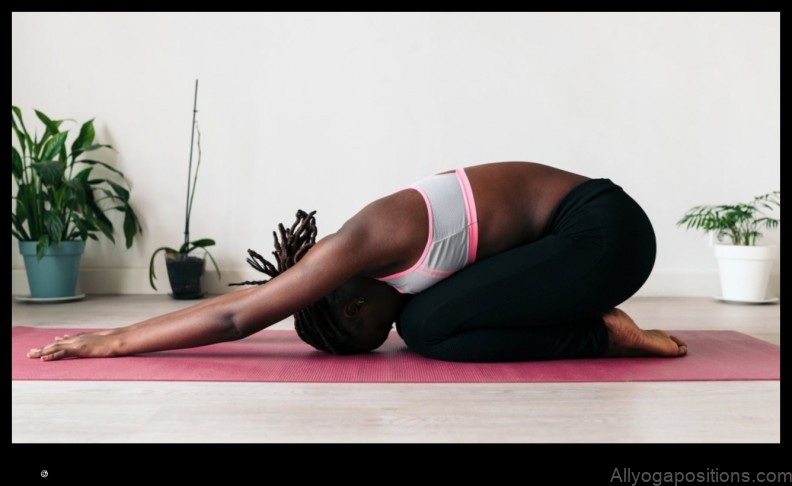
- Child’s pose
- Forward fold
- Seated twist
- Supine twist
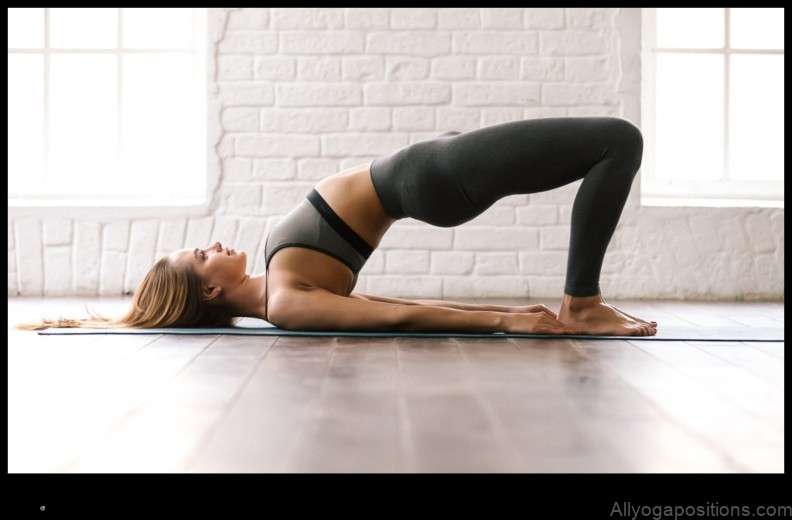
- Bridge pose
- Cat-cow pose
You can also try some breathing exercises or meditation to help relieve migraine pain.
If you are experiencing frequent or severe migraines, it is important to see a doctor. Yoga can be a helpful complementary treatment for migraines, but it is not a substitute for medical care.
VII. Benefits of yoga for migraines
Yoga has been shown to have a number of benefits for people with migraines, including:
- Reduced pain intensity
- Reduced pain duration
- Reduced frequency of migraines
- Improved mood
- Improved sleep
- Reduced anxiety
- Improved overall well-being
Yoga is a safe and effective way to manage migraines. It is a low-impact exercise that can be done at home or in a studio. Yoga can help to reduce stress, improve flexibility, and strengthen the body. It can also help to improve sleep and mood.
If you are interested in trying yoga to help manage your migraines, talk to your doctor or a yoga instructor. They can help you find a type of yoga that is right for you and provide guidance on how to practice safely.
Side effects of yoga
Yoga is generally considered to be a safe exercise, but it is possible to experience side effects from yoga, such as:
- Muscle soreness
- Headaches
- Nausea
- Dizziness
- Lightheadedness
- Fatigue
These side effects are usually mild and go away on their own within a few days. However, if you experience any severe side effects from yoga, such as chest pain, shortness of breath, or fainting, you should stop practicing yoga and see a doctor.
IX. Safety precautions for yoga
Yoga is generally safe for people with migraines, but there are some safety precautions that you should take.
Start slowly. If you are new to yoga, start with a beginner class and gradually increase the intensity of your practice over time.
Listen to your body. If you feel pain or discomfort during a yoga pose, stop and adjust the pose or come out of it completely.
Stay hydrated. Drink plenty of water before, during, and after your yoga practice.
Don’t overstretch. It is important to stretch gently and avoid overstretching, which can put stress on your muscles and joints.
Avoid holding poses for too long. Hold poses for a few breaths and then release them. Holding poses for too long can also put stress on your muscles and joints.
Don’t do yoga if you are feeling unwell. If you are feeling unwell, such as if you have a fever or a cold, it is best to avoid doing yoga.
X. FAQ
Q: What is yoga?
Yoga is a mind and body practice that originated in ancient India. It involves a series of poses, breathing exercises, and meditation. Yoga can help to improve flexibility, strength, and balance, and it can also reduce stress and anxiety.
Q: How does yoga help with migraines?
Yoga can help to relieve migraines in a number of ways. It can help to relax the body and mind, which can help to reduce the frequency and severity of migraines. Yoga can also help to improve blood flow to the brain, which can help to prevent migraines.
Q: What are the different types of yoga?
There are many different types of yoga, each with its own unique benefits. Some of the most popular types of yoga for migraines include:
* Hatha yoga: This is a gentle form of yoga that focuses on poses and breathing exercises.
* Vinyasa yoga: This is a more dynamic form of yoga that flows from one pose to the next.
* Restorative yoga: This is a slow and relaxing form of yoga that focuses on deep relaxation.
Table of Contents
Maybe You Like Them Too
- Tranquil Touchpoints Yoga for Inner ConnectionA gentle yoga practice to help you find peace and balance in your mind, body, and spirit.
- Yoga for Rehabilitation A Holistic Approach to Healing the Body
- Tolasana Yoga Pose A Guide to This Inverted Backbend
- Yoga for PTSD Recovery A Mindful Way to Heal
- Tittibhasana Yoga Pose A Guide to This Inverted Arm Balance