
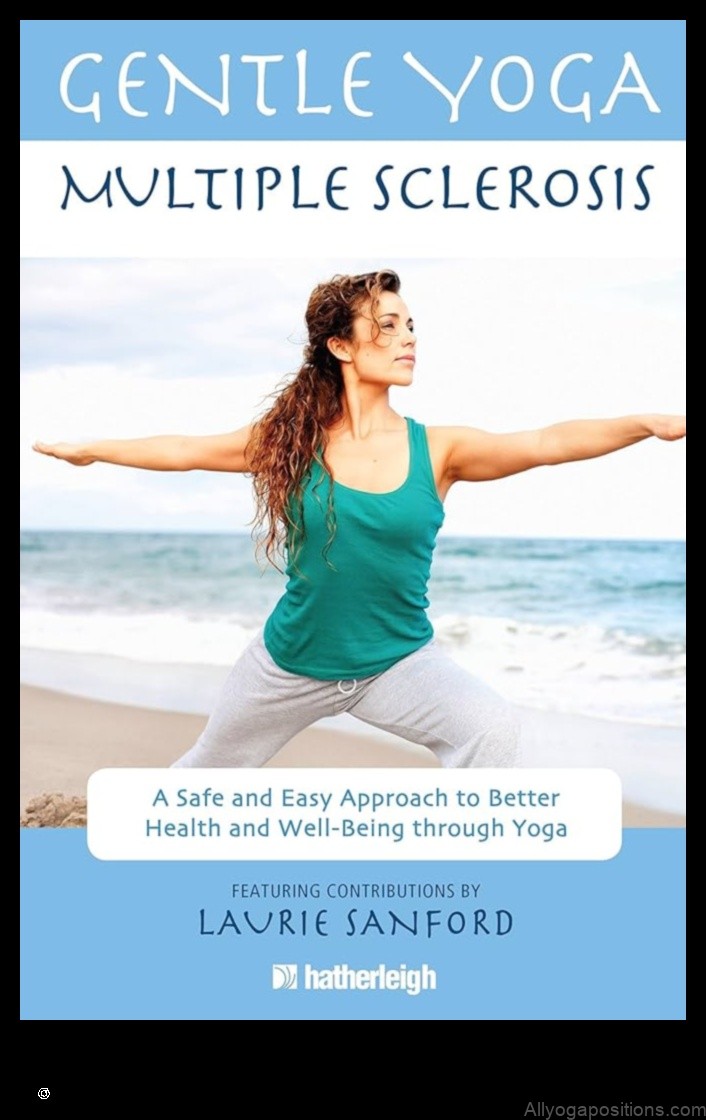
Yoga for Multiple Sclerosis
II. What is Multiple Sclerosis (MS)?
III. Benefits of Yoga for MS
IV. How to do Yoga for MS
V. Yoga Poses for MS
VI. Safety Tips for Yoga with MS
VII. Common Questions about Yoga for MS
VIII. Resources for Yoga with MS
IX. Conclusion
X. FAQ
| Topic | Answer |
|---|---|
| Multiple sclerosis | A chronic, autoimmune disease that affects the central nervous system |
| Yoga | A mind-body practice that combines physical postures, breathing exercises, and meditation |
| Exercise | Aerobic exercise, strength training, and flexibility exercises |
| Rehabilitation | A program of exercises and activities designed to improve function and independence |
| Alternative treatment | A treatment that is not part of conventional medicine |

II. What is Multiple Sclerosis (MS)?
Multiple sclerosis (MS) is a chronic, autoimmune disease that affects the central nervous system (CNS). The CNS is made up of the brain, spinal cord, and optic nerves. In MS, the immune system attacks the myelin sheath, which is a protective layer that surrounds the nerve fibers. This damage can lead to a variety of symptoms, including:
Fatigue
Numbness or tingling
Weakness
Vision problems
Balance problems
Slurred speech
Difficulty swallowing
Bladder problems
Sexual dysfunction
MS is a lifelong disease, but there are a variety of treatments available that can help to manage the symptoms and slow down the progression of the disease.
III. Benefits of Yoga for MS
Yoga has been shown to have a number of benefits for people with MS, including:
* Reducing pain
* Improving balance
* Reducing fatigue
* Reducing stress and anxiety
* Improving mood
* Increasing flexibility
* Improving sleep
* Strengthening the immune system
Yoga can also help people with MS to manage their symptoms and improve their quality of life.
IV. How to do Yoga for MS
Yoga is a mind-body practice that can help people with MS manage their symptoms. It can improve flexibility, balance, and strength. It can also reduce stress and anxiety.
There are many different types of yoga, and not all of them are suitable for people with MS. It is important to choose a type of yoga that is gentle and does not put too much strain on your body.
Some of the benefits of yoga for people with MS include:
- Improved flexibility
- Increased balance
- Increased strength
- Reduced pain
- Reduced fatigue
- Reduced stress and anxiety
If you are interested in trying yoga for MS, it is important to talk to your doctor first. They can help you find a type of yoga that is right for you and make sure that it is safe for you to do.
You can also find many helpful resources online, including books, DVDs, and websites.
Here are some tips for doing yoga with MS:
- Start slowly and gradually increase the intensity of your practice as you get stronger.
- Listen to your body and stop if you feel pain.
- Stay hydrated by drinking plenty of water before, during, and after your practice.
- Choose a supportive yoga mat that will cushion your joints.
- Wear comfortable clothing that you can move easily in.
Yoga can be a great way for people with MS to manage their symptoms and improve their overall health. By following these tips, you can safely and effectively incorporate yoga into your lifestyle.
V. Yoga Poses for MS
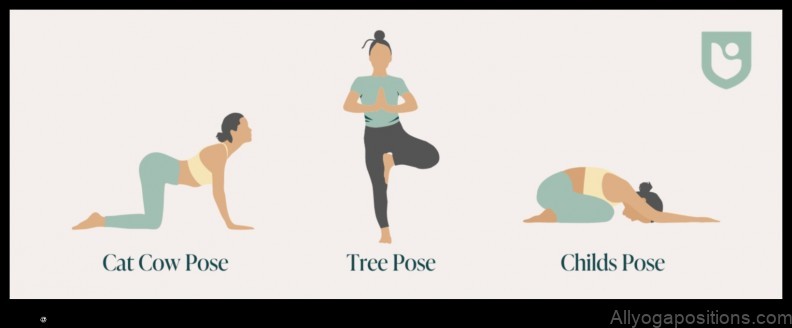
There are many different yoga poses that can be helpful for people with MS. Some of the most beneficial poses include:
- Child’s pose
- Cat-cow pose
- Downward-facing dog pose
- Seated forward bend
- Supta virasana (reclining hero pose)
- Plow pose
- Savasana (corpse pose)
These poses can help to improve flexibility, balance, and strength, and they can also help to reduce pain and fatigue. It is important to listen to your body and avoid any poses that cause pain or discomfort.
If you are new to yoga, it is a good idea to start with a beginner class or to work with a qualified yoga instructor. This will help you to learn the proper way to do the poses and to avoid any injuries.
VI. Safety Tips for Yoga with MS
Here are some safety tips for practicing yoga with MS:
- Start slowly and gradually increase the intensity of your practice over time.
- Listen to your body and stop if you feel pain or discomfort.
- Be aware of your limits and don’t push yourself too hard.
- Choose poses that are appropriate for your fitness level and abilities.
- Warm up before your practice and cool down afterwards.
- Stay hydrated by drinking plenty of water before, during, and after your practice.
- Practice yoga in a safe environment where you have plenty of space to move around.
- Have a friend or family member nearby to help you if needed.
Yoga can be a safe and effective way to manage the symptoms of MS, but it’s important to take precautions to avoid injury. By following these safety tips, you can enjoy the benefits of yoga without putting your health at risk.
VII. Common Questions about Yoga for MS
Here are some of the most common questions people have about yoga for MS:
-
Can yoga help with MS symptoms?
-
What are the benefits of yoga for MS?
-
What are the risks of yoga for MS?
-
What kind of yoga is best for people with MS?
-
How often should I do yoga?
-
How can I find a yoga class that’s right for me?
For more information on these questions, please see the following resources:
VIII. Resources for Yoga with MS
Here are some resources that you may find helpful if you are interested in learning more about yoga for multiple sclerosis:
- Yoga Journal: Multiple Sclerosis Yoga
- WebMD: Yoga for Multiple Sclerosis
- Yoga International: Yoga for Multiple Sclerosis
- Yoga for Multiple Sclerosis
- Multiple Sclerosis Association of America: Yoga for Multiple Sclerosis
Yoga is a safe and effective way to manage the symptoms of multiple sclerosis. It can help to improve balance, reduce pain, and relieve stress. It can also help to improve overall well-being. If you are considering starting a yoga practice, be sure to talk to your doctor first. They can help you find a class that is appropriate for your needs and make sure that you are doing the poses correctly.
Yoga is a lifelong practice. It is something that you can continue to do even as your symptoms change over time. It can be a valuable tool in helping you to manage your MS and live a full and happy life.
FAQ
Q: What is Multiple Sclerosis (MS)?
A: MS is a chronic, autoimmune disease that affects the central nervous system. It can cause a variety of symptoms, including pain, fatigue, and balance problems.
Q: What are the benefits of Yoga for MS?
A: Yoga can help to manage MS symptoms by improving flexibility, strength, balance, and coordination. It can also help to reduce stress and anxiety.
Q: How do I do Yoga for MS?
A: There are many different ways to do Yoga for MS. It is important to find a class or teacher that is experienced in working with people with MS.
Table of Contents
Maybe You Like Them Too
- Tranquil Touchpoints Yoga for Inner ConnectionA gentle yoga practice to help you find peace and balance in your mind, body, and spirit.
- Yoga for Rehabilitation A Holistic Approach to Healing the Body
- Tolasana Yoga Pose A Guide to This Inverted Backbend
- Yoga for PTSD Recovery A Mindful Way to Heal
- Tittibhasana Yoga Pose A Guide to This Inverted Arm Balance